

Gender, religious, traditional and media stakeholders have identified online gender-based violence, gendered disinformation, abusive content, and restrictive social norms as factors limiting the meaningful participation of Nigerian women in civic and political processes.
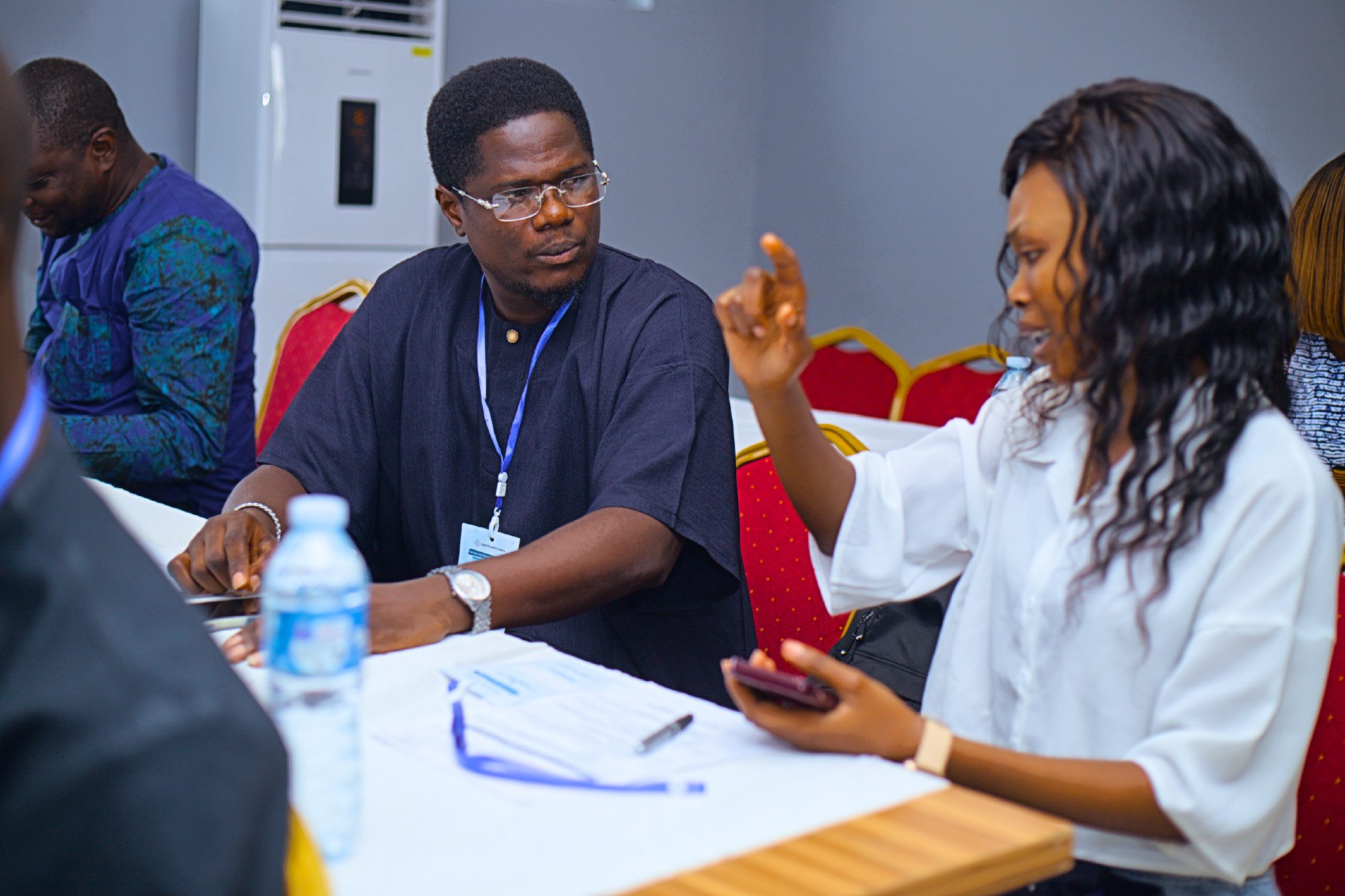
The factors were identified during a strategic dialogue titled “From Silence to Safeguard: Faith, Tradition and Women’s Place in Nigeria’s Democracy,” organised by Brain Builders Youth Development Initiative (BBYDI), in partnership with FactCheck Africa, and supported by Digital Democracy Initiative.
The stakeholders recommended the importance of protecting women against harmful information and digital attacks and creating a safer environment for women’s civic and political participation.
In her welcome remarks, Ms Nurah Jimoh Sanni, Executive Director of BBDYI, highlighted the challenges women face in society and emphasised that it is important that women are given opportunities to participate meaningfully in democratic processes.
She reiterated the need for increased support for women’s participation in politics, which, according to her, will help to drive national development.
Speaking during a panel session titled “Faith, Tradition and Women in Public Life,” which was moderated by Ms Simbiat Bakare, founder of Naija Feminist Media, Alhaja Amudat Moji Olanipekun of the Lagos State chapter of the Federation of Muslim Women’s Associations in Nigeria (FOMWAN), stated that humanity should come before religious differences. She acknowledged that society remains male-dominated but maintained that this should not prevent women from taking their rightful place in politics and governance.
Alhaja Olanipekun said, “women should be actively involved in decision-making processes rather than being relegated to the background”, adding that good governance requires the participation of both men and women.
She further recommended that “mechanisms should be established to promote women as role models, alongside initiatives focused on women’s empowerment, political literacy and digital literacy.”
ASP Esther Igbineweka, Administrative Officer and Gender Desk Officer at the Lagos State Police Command, identified fear of perpetrators, prevailing beliefs, and social and cultural barriers as factors that discourage survivors and witnesses from reporting gender-based violence.
She encouraged community members to visit the Family Support Unit (FSU) to strengthen community-level reporting. She also emphasised the importance of women understanding their rights and reporting cases through trusted channels.
The strategic dialogue provided a platform for stakeholders to examine the intersection of gender-based violence, cultural and religious norms, digital threats and women’s participation in democracy ahead of the 2027 General Elections.