
Sightsavers, has urged the Nigerian government, donors, and private-public sector actors to prioritise eye care in the national health system as a strategy to boost investment and service access.
The call was made in a press release to commemorate the 2026 World Sight Day, and ahead of the inaugural Global Summit for Eye Health to be hosted next month by the government of Antigua and Barbuda, in collaboration with the World Health Organization (WHO) and the International Agency for the Prevention of Blindness (IAPB).
According to Sightsavers, studies show that increased investment in eye health could generate US$2.45 billion in economic benefits for Nigeria, considering that the country has a population of over 24.2 million with some kind of vision impairment.
The statement reads in part that “eye health reflects in increased employment opportunities, better productivity, enhanced learning outcomes and social participation, among others. Eye care is therefore not only a health imperative but an economic investment.”
Speaking on the benefits of eye care, Prof Joy Shu’aibu, Country Director at Sightsavers, said, “Glasses, cataract surgery and stronger eye care systems can transform lives, yet too many people still cannot access the support they need. The Global Summit for Eye Health is an opportunity for governments, donors, private and public sectors to turn commitments into action so more people can learn, work and participate fully in society.
“To support this, we commit to work with Governments and partners to strengthen health services, save and protect sight, and help more people live full, independent lives. This will include supporting eye health professionals, bringing services closer to communities, and ensuring vision and eye care is part of health, education, livelihood and road safety programmes.”
The Country Director continues: “It’s encouraging to see global leaders already supporting eye care and engaging in pre-Summit discussions. Momentum is building, but more effort is needed. The Summit is an opportunity for our leaders to prove their commitments to accessible eye care for everyone.”
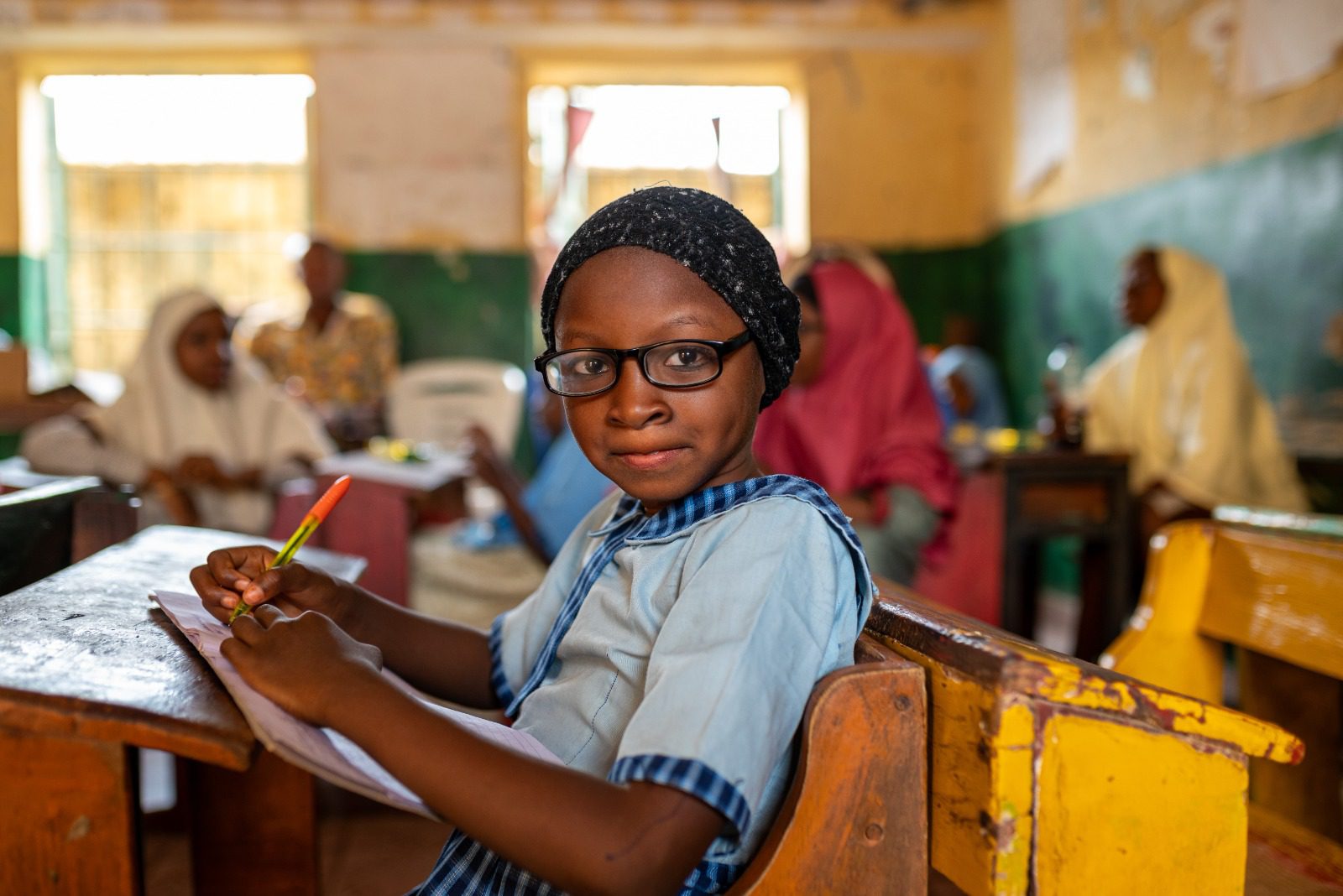
Meanwhile, Sightsavers is already working with the Nigerian government and other partners, including on the ‘Focus on clear vision’ project. The project activities include training health workers and teachers in basic eye health screening; community outreach; provision of glasses and equipment; gender and disability inclusion training.
In Kaduna, Zamfara and Sokoto states, the international development organization is collaborating with the government to mark World Sight Day through free eye screenings to identify eye conditions early and connect people with appropriate eye care services.