
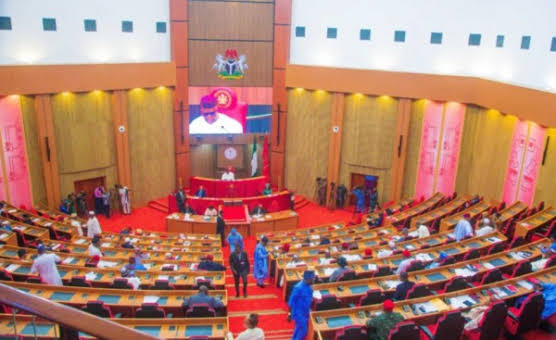
The Nigerian Senate has passed a bill reforming Nigeria’s tax on sugar-sweetened beverages, moving to replace the current flat 10 naira-per-litre excise duty with a percentage-based levy tied to retail price.
The bill, sponsored by Senator Ipalibo Banigo, proposes that a portion of the revenue generated from the new tax system be earmarked for health promotion and disease prevention.
The reform represents a significant shift toward evidence-based fiscal policy aimed at addressing Nigeria’s escalating burden of non-communicable diseases.
The Corporate Accountability and Public Participation Africa (CAPPA) commended the Senate for the passage, describing it as a bold and timely step toward safeguarding public health.
The Executive Director of CAPPA, Akinbode Oluwafemi, praised the upper chamber for demonstrating responsiveness to the growing public health crisis facing the country.
“By passing this bill, the Senate has demonstrated responsiveness to the growing public health crisis facing the country. We now urge the National Assembly to expedite the remaining legislative processes to ensure that the reviewed bill becomes law without delay,” Oluwafemi said.
CAPPA particularly saluted Banigo’s leadership and commitment to advancing policies that prioritise the health and well-being of Nigerians, noting her track record in driving public health legislation.
Earlier in April 2026, Banigo successfully championed the passage of the National Health Act Amendment Bill, which increased the fund source from 1 percent to 2 percent of the Basic Health Care Provision Fund from consolidated revenue funds.
CAPPA stressed that the urgency of the current bill cannot be overstated, pointing to Nigeria’s rapidly escalating burden of non-communicable diseases, including Type 2 diabetes, hypertension, cardiovascular diseases, obesity, and dental conditions.
According to public health data referenced by CAPPA, nearly one in three deaths in Nigeria is now linked to non-communicable diseases, while over 11 million Nigerians are living with diabetes.
The organisation emphasised that this disease burden places enormous strain on households and an already overstretched health system.
CAPPA identified excessive consumption of sugar-sweetened beverages as a major driver of this crisis, noting that these drinks are aggressively marketed and widely consumed, particularly among young people.
The organisation argued that Nigeria’s current 10 naira-per-litre SSB tax, introduced under the Finance Act, has proven too low to influence consumption patterns or deliver meaningful health outcomes.
CAPPA explained that moving to a price-based, or ad valorem, tax system aligns with global best practices recommended by the World Health Organization, which emphasises that effective health taxes must significantly raise retail prices to reduce consumption.
According to CAPPA, fixed-rate taxes like Nigeria’s current system are easily absorbed by manufacturers and rendered ineffective by inflation, while a percentage-based levy ensures the tax remains impactful over time.
“A percentage-based levy ensures that the tax remains impactful over time, discourages excessive sugar intake, and better protects public health,” CAPPA stated.
The organisation welcomed the bill’s provision to earmark part of the revenue for health promotion, describing it as critical for strengthening Nigeria’s underfunded health sector and supporting preventive care.
CAPPA emphasised that transparency and accountability must guide the management of earmarked funds, with clear reporting and public oversight to ensure resources are used effectively.
The organisation called on the House of Representatives to act swiftly in concurring with the Senate and transmitting the bill for presidential assent.
“Nigeria cannot afford to delay,” Oluwafemi said. “We are in the midst of a preventable public health crisis driven by unhealthy diets and weak regulatory frameworks. Strengthening the SSB tax is not just a fiscal measure, it is a life-saving intervention.”
CAPPA reiterated that a stronger SSB tax regime, combined with dedicated funding for health initiatives, offers Nigeria a sustainable pathway to reduce disease burden and save lives.
The organisation stressed that lawmakers have taken an important step but must now complete the legislative process to ensure the bill becomes law.