

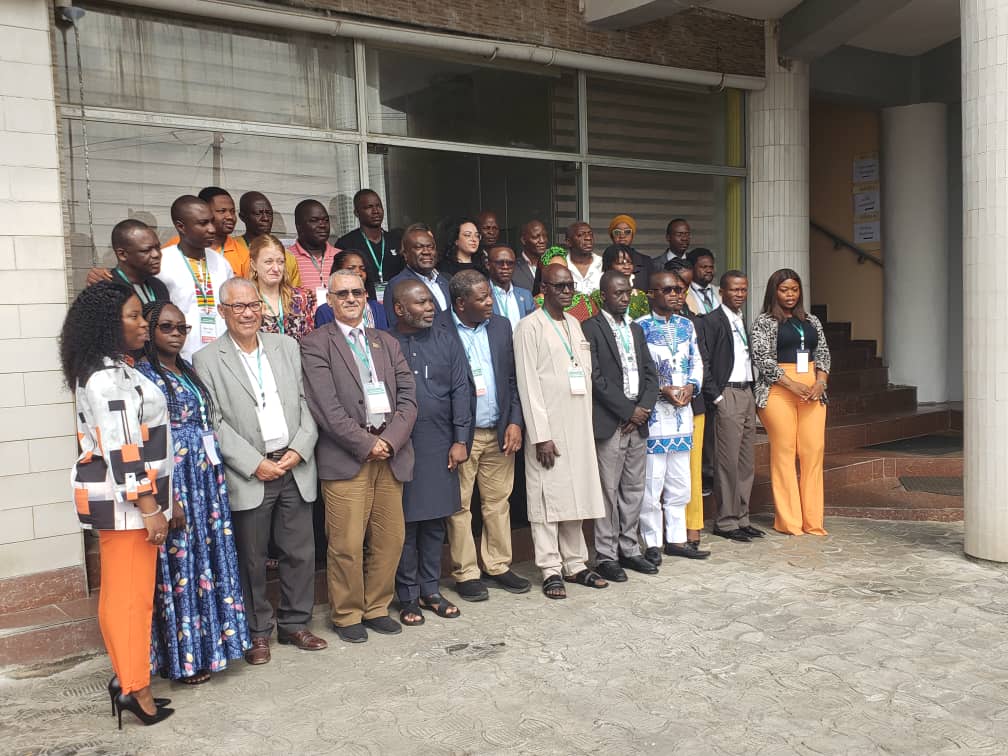
The Renevlyn Development Initiative (RDI) and the Pilex Centre for Civic Education Initiative (Peoples Advocates) will be undertaking a participatory assessment of the implementation of environmental rights and the extent to which communities can access environmental information and justice when their rights are violated.
The studies are part of a 20-country Environmental Rights Case Study officially launched today (1 July 2026) by the Environmental Rights in Africa (ERA) Coalition.
Similar studies will be carried out by researchers in Senegal, Sierra Leone, Côte d’Ivoire, and Guinea in West Africa; Uganda, Tanzania, and Malawi in East Africa; Cameroon, Chad, the Central African Republic, and the Republic of the Congo in Central Africa; Botswana, Mozambique, Namibia, and Zimbabwe in Southern Africa; and Egypt, Morocco, Sudan, and Tunisia in North Africa.
The findings from the twenty national studies will be synthesized into a continental report highlighting regional trends, documenting good practices, and providing practical recommendations to inform advocacy, policy reform, and future regional initiatives on environmental rights.
The initiative marks a significant development in efforts to strengthen environmental rights, environmental governance, and environmental justice across Africa, and is supported by the Open Society Foundations (OSF).
The case studies form part of ERA’s five-year strategic program to advance a continental environmental rights agenda and explore pathways toward the adoption of a regional framework for environmental rights in Africa.
Using a common research methodology, the studies will combine desk reviews with key informant interviews and focus group discussions to ensure that the findings reflect not only national laws and policies but also the lived experiences of communities, environmental defenders, women, youth, Indigenous Peoples, and other marginalized groups.
Speaking on the initiative, ERA Steering Committee Chair Ahmad Abdallah of the Egyptian Commission for Rights and Freedoms emphasized that the initiative extends well beyond academic research.
“These case studies are about people as much as they are about policies. African, communities are defending their lands, forests, rivers, and livelihoods under increasingly difficult circumstances.
By documenting both progress and persistent challenges, this research will amplify local voices, strengthen national advocacy, and contribute to a shared continental vision for environmental rights.”
The ERA Coalition called upon governments, civil society organizations, academia, development partners, Indigenous Peoples, local communities, environmental defenders, and the private sector to engage constructively with the research teams and support the important effort to generate evidence that advances environmental justice for present and future generations.