

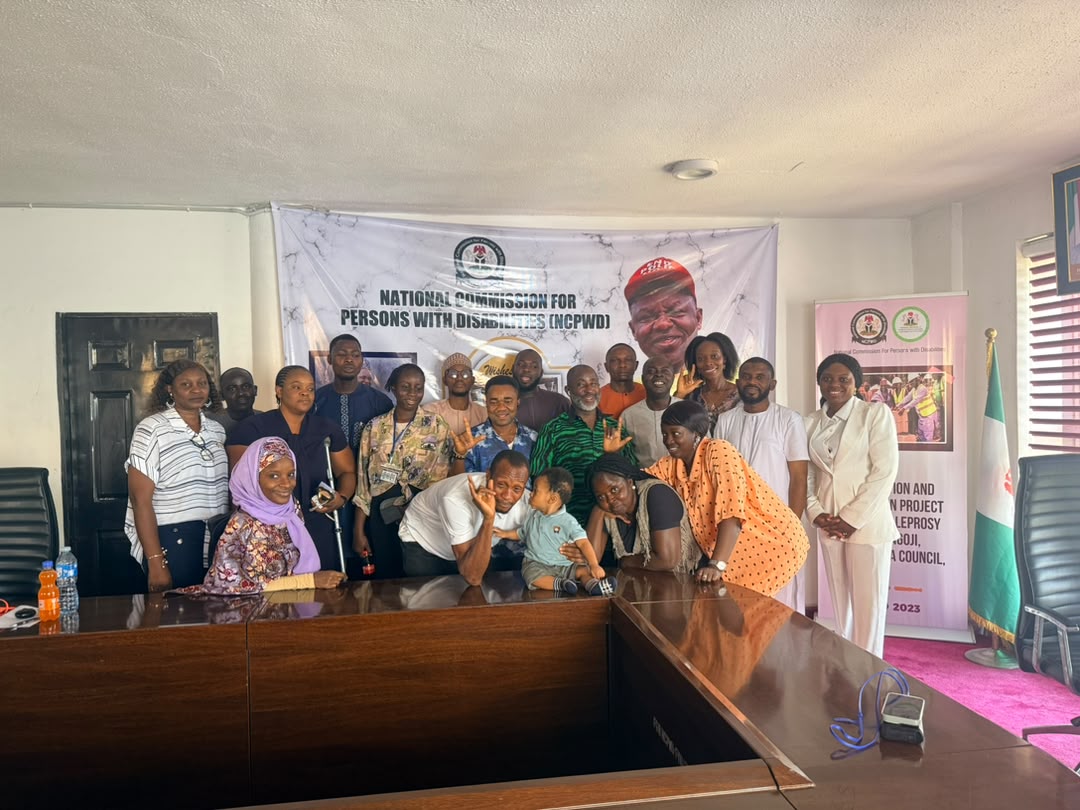
The National Commission for Persons with Disabilities (NCPWD) has trained its departments and units on Nigeria’s Global Disability Summit (GDS) commitments and the National Action Plan for 2026 to 2030.
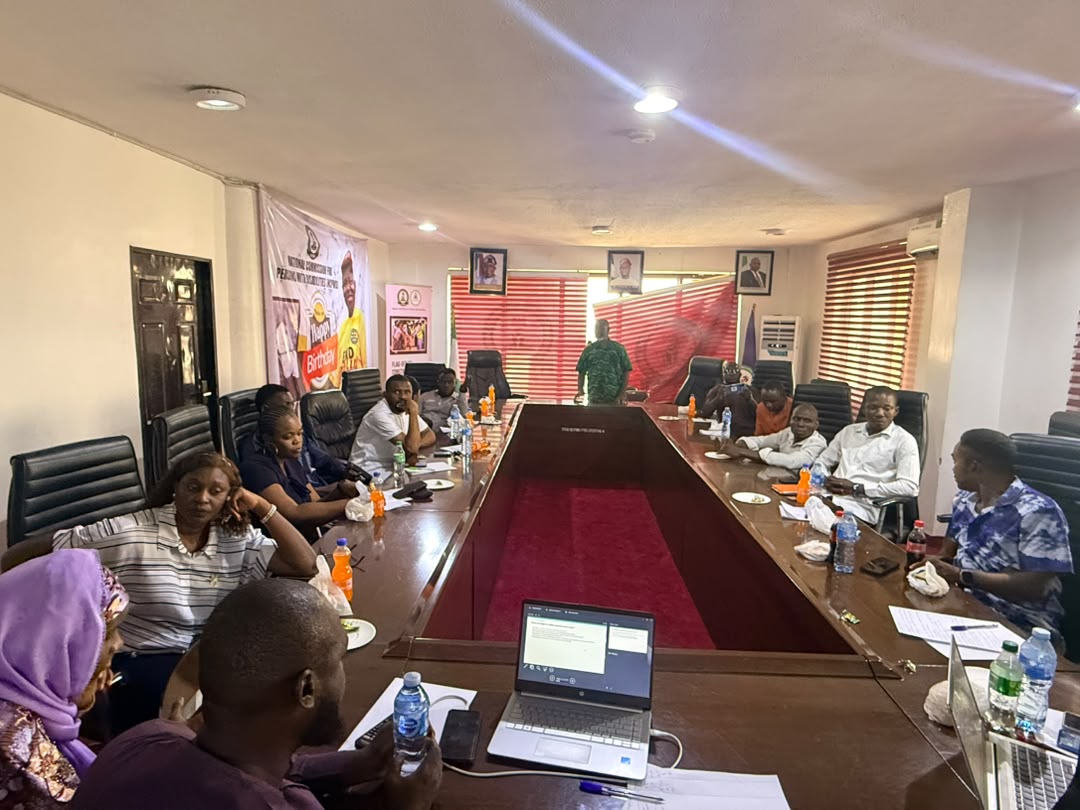
The orientation and training session took place at the NCPWD Conference Hall in Abuja.
According to the Commission, it was designed to help staff understand what the GDS is, why disability inclusion matters, what Nigeria has committed to globally, and what each department must do to turn those commitments into measurable results for persons with disabilities.
The Technical Adviser to the Commission, Dr Adebukola Adebayo, said the training should build staff confidence, deepen their understanding of the Commission’s mandate, and make clear how each department and unit can help implement the National Action Plan.
He urged the staff to own the mandate stressing that delivering on the commitments cannot rest with the Commission alone.
“Commitments are only credible if they are owned and delivered by every department of the Commission and by Ministries, Departments and Agencies. Implementation can not rest with the Commission alone,” Adebayo said.
Adebayo said the GDS was not just a forum for discussion. Instead, it was a major international platform for accountability that brings together governments, United Nations agencies, international development partners, the private sector, investors and Organisations of Persons with Disabilities (OPDs).
The Technical Adviser also told staff that development partners such as the World Bank and the United Nations do not fund isolated proposals.
Any proposal, Adebayo said, must align with the Discrimination Against Persons with Disabilities (Prohibition) Act, 2018, the Commission’s Strategic Plan, Nigeria’s GDS commitments and the National Action Plan.
According to the Commission, Nigeria has taken part in the GDS process since 2018. At the most recent summit in Berlin, Germany, in April 2025, Nigeria presented a new set of commitments through the Federal Ministry of Humanitarian Affairs and Poverty Reduction.
After the Berlin summit, Nigeria held a National Summit in October 2025 to report back to citizens. It then developed the National Action Plan to guide implementation across ten thematic areas.
These areas, which form the pillars of the plan, are an inclusive legal and policy environment, digital information and communication technology, inclusive data, information and publication, and access to justice and rights.
The others are inclusive education, accessible infrastructure, inclusive humanitarian action and climate response, social protection, health and inclusive employment.
Adebayo said the Executive Secretary of the Commission, Hon. Ayuba Burki Gufwan, was working tirelessly with stakeholders, ministries, departments and agencies (MDAs), OPDs and civil society organisations to implement the disability law and the National Action Plan.
The Commission’s role is to lead, coordinate, promote compliance, monitor, convene and support implementation.
The session ended with a renewed commitment by participants. They said that with clear departmental plans, strong coordination, adequate financing and credible reporting, Nigeria was well placed to turn its GDS commitments into measurable improvements in the lives of persons with disabilities.