
Stakeholders in Nigeria have been urged to strengthen efforts to promote the health and well-being of men and boys, recognise positive male role models and build a society founded on shared responsibility, inclusion and mutual respect.
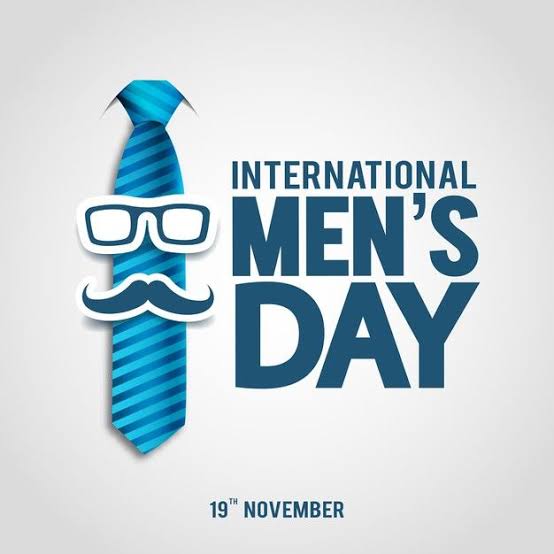
The call comes in commemoration of the 2026 International Men’s Day (IMD), marked annually on November 19, under the global theme, “The Future Is Everyone”.
Sanmi Falobi, Team Lead of the International Men’s Day 2026 Nigeria Commemorative Event and IMD Ambassador for West Africa, said the annual observance provides an opportunity to recognise men’s contributions while addressing challenges affecting their health, responsibilities and social well-being.
Falobi said this year’s theme highlights the need for collective action to build a society where men and boys can contribute meaningfully to their families, workplaces and communities.
“International Men’s Day is not simply about celebrating men; it is also about recognising their responsibilities, appreciating their positive contributions and creating the conditions that enable them to become better fathers, husbands, brothers, mentors, professionals and community leaders.
“The theme, ‘The Future Is Everyone’, reminds us that building a better society cannot be the responsibility of one gender. Men and women must work together, while families, governments, businesses, religious institutions, civil society organisations and the media all have important roles to play,” he said.
Falobi noted that the physical and mental health, emotional well-being, economic security and social relationships of men deserve greater attention and practical support.
He also emphasised the importance of mentoring boys and providing them with positive guidance from both men and women.
“One of the most important investments we can make for the future is to deliberately mentor our boys. They need the positive guidance, support and complementary influence of both men and women to become responsible future leaders and changemakers in society,” he said.
He added that parents, teachers, coaches, mentors, religious leaders and community members all have roles to play in shaping the values and character of the next generation.
Falobi called on governments at all levels, corporate organisations, professional associations, religious institutions, civil society groups, the media and families to use the commemoration to initiate meaningful conversations and interventions that advance the objectives of International Men’s Day.
He identified men’s health and mental well-being, responsible fatherhood, positive male role modelling, mentorship, healthy relationships, economic empowerment and improved gender relations as priority areas.
While acknowledging growing awareness of International Men’s Day in Nigeria, he urged organisers and stakeholders to ensure that activities extend beyond the annual celebration.
“It’s gladdening to see increased awareness in celebrating International Men’s Day in Nigeria. This is a good development as more stakeholders are encouraged to join the train in organising clusters of activities across board. However, the initiatives should go beyond a one-day celebration,” he said.
He called for sustained programmes that recognise men’s contributions to families, workplaces and society while encouraging them to live responsibly, support their families, contribute to their communities and take care of their health.
Falobi also stressed the need to create safe spaces where men can discuss personal challenges without stigma, seek help when necessary and access support.
He urged men to become active partners in promoting gender equality, preventing violence and building safer homes and communities.
“The health and well-being of men are important to the future of society, particularly because of the roles men play within families and communities. The future is therefore everyone’s responsibility, and every positive action we take today contributes to the society we hope to build tomorrow,” he said.
International Men’s Day is observed annually on November 19. Founded in 1999 by Dr Jerome Teelucksingh of the University of the West Indies in Trinidad and Tobago, the observance provides a platform to recognise men’s positive contributions to families and communities and draw attention to issues affecting men and boys.
Its objectives include promoting men’s health and well-being, celebrating positive male role models, improving gender relations, highlighting disadvantages affecting men and boys, and encouraging safer and more inclusive communities.
In Nigeria, the observance is being coordinated by Innate Communications through the IMD Nigeria Coordinating Team, which works with independent, private-sector, government, social, religious and media stakeholders to promote awareness and engagement around the annual event.