
As part of the ongoing “Global Week of Action to Make Big Tobacco Pay”, a global coalition of civil society organisations has intensified calls for governments to hold the tobacco industry financially accountable for the health and environmental harms caused by its products.
The campaign, coordinated by groups including Corporate Accountability and partners across at least six countries, is urging governments to recover the estimated trillions of dollars spent annually on treating tobacco-related diseases and cleaning up environmental pollution linked to tobacco waste.
According to campaigners, tobacco use is responsible for approximately 8 million deaths annually, contributing to diseases such as cancer, heart disease, stroke, and diabetes. They also estimate that the global economic burden of tobacco-related health care and environmental damage exceeds USD 1.4 trillion each year.
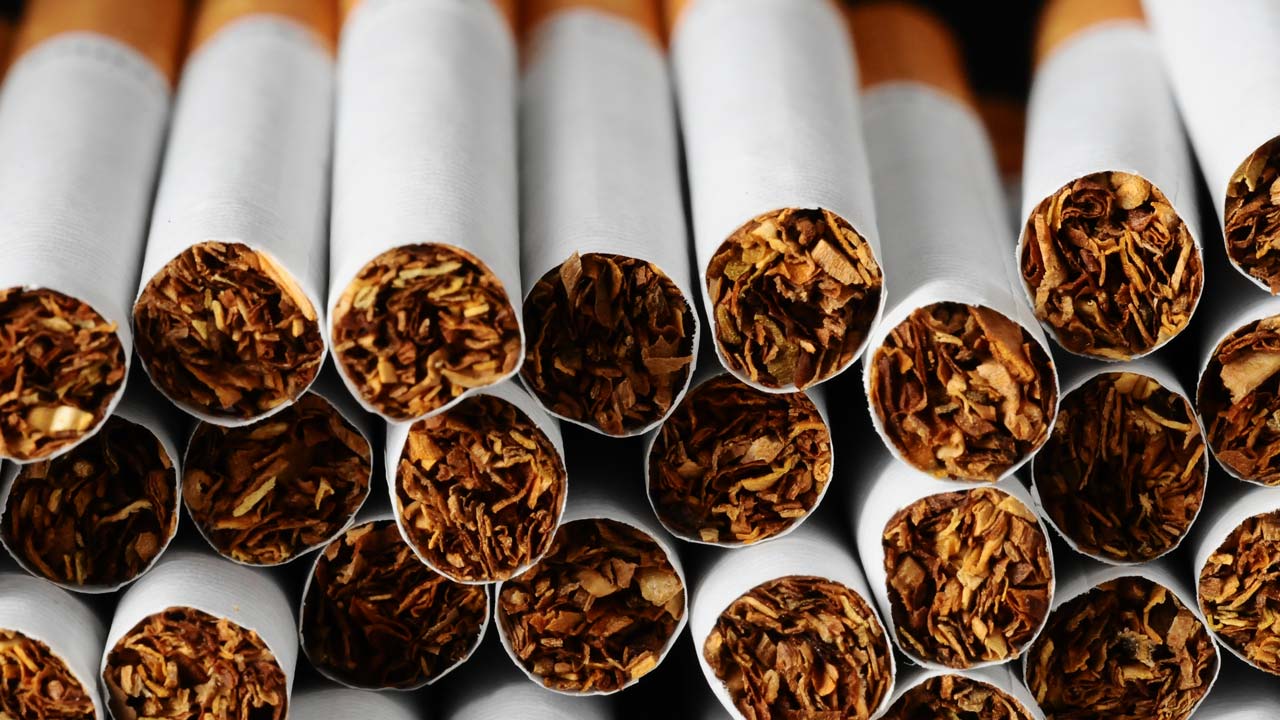
Cigarette butts, largely composed of plastic are described as the world’s most littered item, with growing concerns over toxic waste from both traditional cigarettes and e-cigarettes contaminating soil and water systems.
Daniel Dorado, tobacco campaign director at Corporate Accountability and a World No Tobacco Day award recipient, said the industry continues to generate massive profits while shifting health and environmental costs to governments and citizens.
“No matter where we live or what we look like, everyone deserves to lead a healthy life. But the tobacco industry sells dangerous and deadly products at huge profits. Meanwhile, we all pay—with our lives, our taxes, and our environment,” Dorado stated.
“Tobacco corporations cheat us financially, whether we use their products or not. The industry can only be profitable because it has foisted the costs of its business onto the people and our governments,” said Jaime Arcila, senior researcher at Corporate Accountability.
“Fortunately, we have a powerful tool to make Big Tobacco pay for its harms: the global tobacco treaty,” he added.
“We need to make Big Tobacco pay through any and all means necessary – litigation, regulation, sanctions, and anything else we can do to build a healthier community where people come first,” stressed Akinbode Oluwafemi, Corporate Accountability & Public Participation Africa(CAPPA).
Advocates argue that governments already have a legal basis to act through the World Health Organization Framework Convention on Tobacco Control (WHO FCTC), particularly Article 19, which encourages states to pursue liability measures against the tobacco industry, and Article 5.3, which protects public health policy from industry interference. 183 nations worldwide have ratified the legally-binding WHO FCTC.
“Finding the tobacco industry at fault means very little if the penalties amount to peanuts compared to the scale of harms caused. Our goal should always be clear: that we want to make the tobacco industry pay for the full costs of its products, both on health and the environment. We shouldn’t stop at exposing the industry’s wrongdoing; we must make sure there is compensation and remediation,” said Debby Sy, of Global Center for Good Governance in Tobacco Control (GGTC).
Similarly, Patricia Sosa of Campaign for Tobacco-Free Kids, opined that there are many ways to hold the tobacco industry accountable.
“We’ve been in countries exploring environmental law, which is cutting-edge and has a lot of potential in countries with judiciaries that are not particularly strong to make Big Tobacco pay for its actions,” Sosa said.
During the Week of Action, advocates will be calling on their governments to advance liability measures at both the national and international level. The week kicks off with an online launch on June 1 followed by in-person and virtual actions in Mexico, Brazil, the United States, the Philippines, Nigeria, and Ghana. Partner organizations are also circulating a petition to Make Big Tobacco Pay, which already has nearly 40,000 signatures worldwide.
The coalition is also introducing a new recognition initiative, the Yul Dorado Make Big Tobacco Pay Award, to honour leadership in tobacco control and industry accountability.
Experts and partner organisations stress that beyond exposing industry harm, governments must ensure compensation and remediation mechanisms that reflect the full scale of damage caused by tobacco production and consumption.
“We’ve made a lot of progress on liability at the last two global tobacco treaty meetings (COPs) and this Global Week of Action is so important in keeping the momentum going before the next one, said Kelsey Romeo-Stuppy, Action on Smoking and Health (ASH). Labram Musah, of Vision for Accelerated Sustainable Development (VAST Ghana) posited that 80% of tobacco-related deaths are in low-and middle-income countries, as he urged African nations to take the lead in changing this trajectory.
“Of course, this can only happen if we can get our governments to hold the tobacco industry accountable. We’ve made a lot of progress, but still need to keep pushing,” Musah added.
“For the Week of Action, we will present legal actions, civil and administrative, to force regulatory bodies to act and claim compensation for the damages caused by the tobacco industry. Along with the youth advocacy organization SERAJ, we will file at least three complaints to prevent nicotine products from being advertised and sold without information to consumers,” said Erick Antonio Ochoa of Salud Justa Mx.
As momentum builds, campaigners say the focus is shifting from awareness to enforcement, pressuring states to turn global treaty commitments into concrete financial and legal accountability measures.
The Make Big Tobacco Pay is a campaign led by Corporate Accountability, in coalition with civil society and NGO groups from around the world, including: Network for Accountability of Tobacco Transnationals (NATT), Citizen News Service (CNS), Action on Smoking and Health (ASH), Global Center for Good Governance in Tobacco Control (GGTC), European Network for Smoking and Tobacco Prevention (ENSP), Coalición América Saludable (CLAS), ACT Promoção da Saúde (ACT), Salud Justa Mx, Southeast Asia Tobacco Control Alliance (SEATCA), HealthJustice, African Tobacco Control Alliance (ATCA), Vision for Accelerated Sustainable Development (VAST), Corporate Accountability and Public Participation Africa (CAPPA), and Global Alliance for Tobacco Control (GATC).