
Environmental rights advocates have called for sustained and in-depth reporting on the impact of extractive activities on women in Nigeria’s host communities, particularly the often-overlooked mental health consequences of environmental degradation and loss of livelihoods.
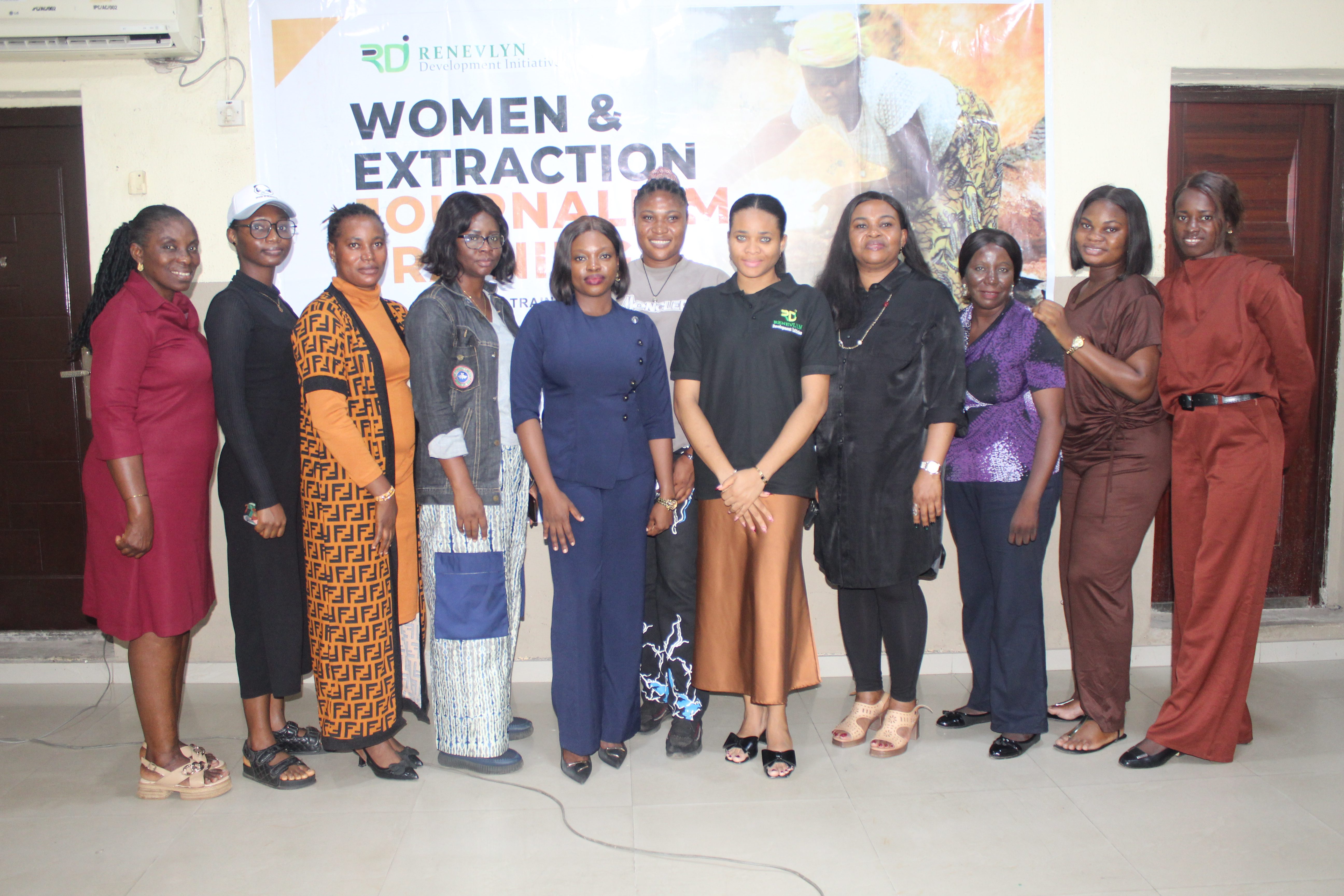
The call was made during a two-day training for female journalists organised by the Renevelyn Development Initiative (RDI) with the theme ‘Empowering Women Journalists for Effective Reporting of Extractive Impacts in Nigeria’s Environmental Hotspots.’
In her presentation, Oluchi Joy Robert, Campaign Advisor at RDI, said journalists need to look beyond the immediate aftermath of environmental disasters to uncover the longer-term consequences for affected communities.
“During extractions, a lot of things happened,” Robert said, noting that the deeper story may emerge in the months that follow.
She said follow-up reporting after oil spills could reveal what is often invisible in the immediate aftermath, including the psychological toll of losing a livelihood, living with uncertainty, caring for affected family members and watching a familiar environment deteriorate.
“Follow-up after the oil spills. That’s where the mental health story lives,” she said.
Corroborating Robert’s position, Rachael Greenwood, a Human Rights and International Development Professional, said women’s experiences should not be treated as separate from the mainstream consequences of environmental degradation.
“Women’s experiences aren’t peripheral to society,” she said, stressing that the effects of environmental degradation on women’s health deserve greater attention.
Greenwood explained that numerous international instruments and conventions on women’s rights could be referenced in media reports to hold governments accountable and ensure that women’s rights are upheld.
She listed the Convention on the Elimination of All Forms of Discrimination Against Women (CEDAW), International Covenant on Civil and Political Rights (ICCPR), International Covenant on Economic, Social and Cultural Rights (ICESCR), Sustainable Development Goal 5 on Gender Equality, African Charter on Human and Peoples’ Rights, Protocol to the African Charter on Human and Peoples’ Rights on the Rights of Women in Africa (Maputo Protocol), and Nigeria’s Environmental Impact Assessment Act of 1992, as frameworks that journalists can use in their reporting.
Speaking on the low reportage of the experiences of women in host communities, Linda Amadi, RDI’s Project Officer, shared that the media needs to amplify the voices of women in affected communities and contribute to conversations that can influence positive policy responses and actions.
She explained that “in Lagos and across Nigeria, extractive activities continue to have significant impacts. Different communities across Nigeria now contend with environmental degradation, loss of productive land, pollution, displacement, disruption of traditional livelihoods, mental health issues and even deaths.”
For women, however, “they carry the heaviest burdens of the impacts of extractive activities because as caregivers, providers and users of natural resources, they interact with land, water and unfavourable climatic conditions to sustain their families.”
Also speaking, Faith Nwadishi, Executive Director, Centre for Transparency Advocacy, explained that it is important for women in extractive host communities to be understood not merely as vulnerable groups or beneficiaries but as rights holders, economic actors, community leaders and participants in decision-making over natural resources.
Nwadishi thereafter urged journalists to ask questions about host community governance framework, how women are engaged and if women are sharing in the wealth created by their communities.
Other facilitators at the training include Abiose Adams, Researcher and Journalist, University of Tennessee, USA; Vanessa Adie Offiong, an international journalist; and Blessing Oladunjoye, Publisher of BONews Service.
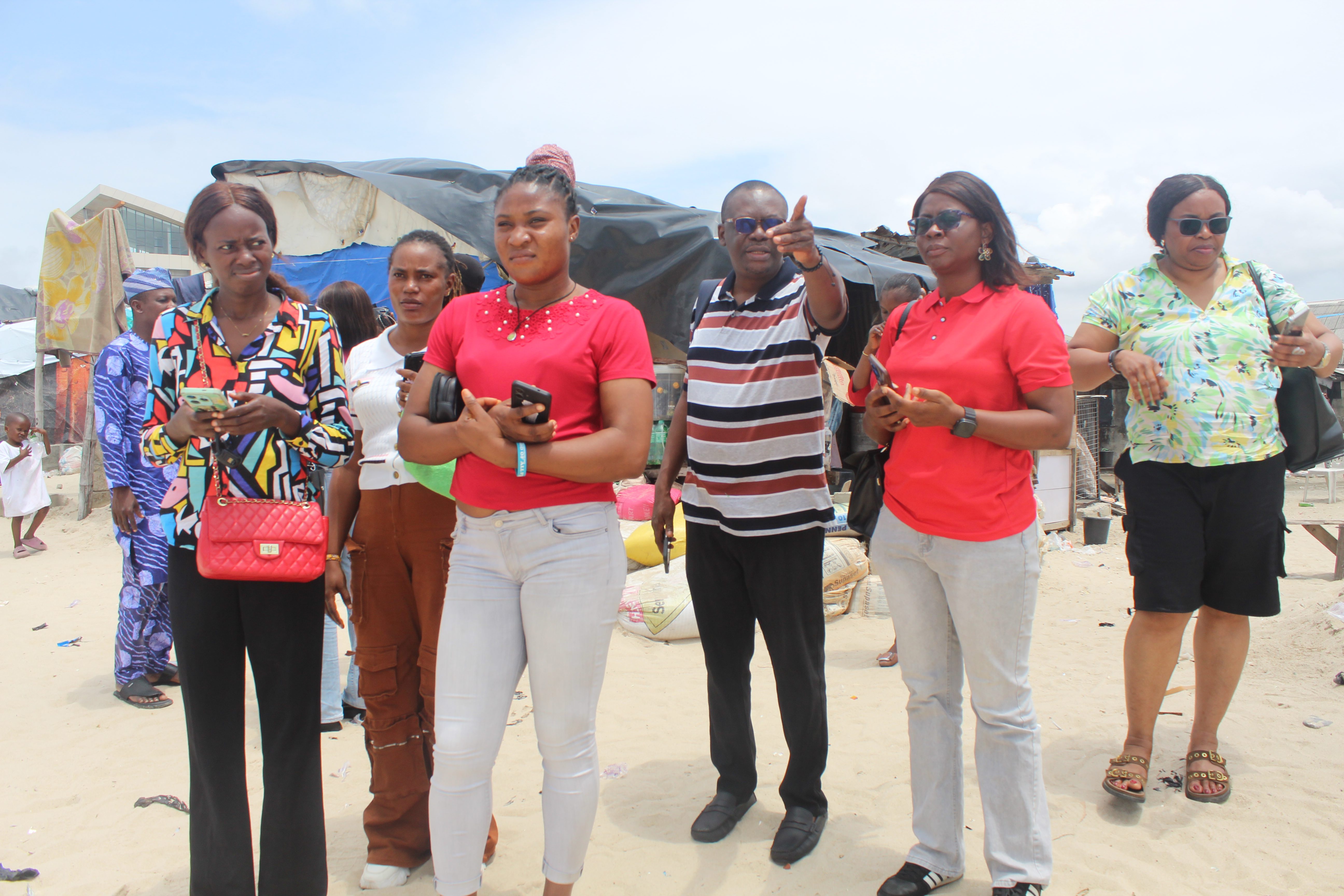
The second day of the training witnessed a field visit to Okun Alfa, a community experiencing climate-induced coastal erosion in Ibeju Lekki, Lagos, where the journalists had an opportunity to observe firsthand the environmental challenges facing residents.