
Eight months after giving birth to her first child, Mary Ogbemudia was pregnant again. For Mary, a 36-year-old mother of three in Uhunmwonde Local Government Area of Edo State, the pregnancy came sooner than she expected.
Her displeasure was not because she didn’t plan to give birth to another child, but because “I wanted more time to recover physically and emotionally. Pregnancy, delivery, breastfeeding and the current economic situation in the country are draining,” she said.
After the second child, she attempted to space her children with the little information on family planning that she had, “and before you knew it, I was pregnant again with my third child,” she added.
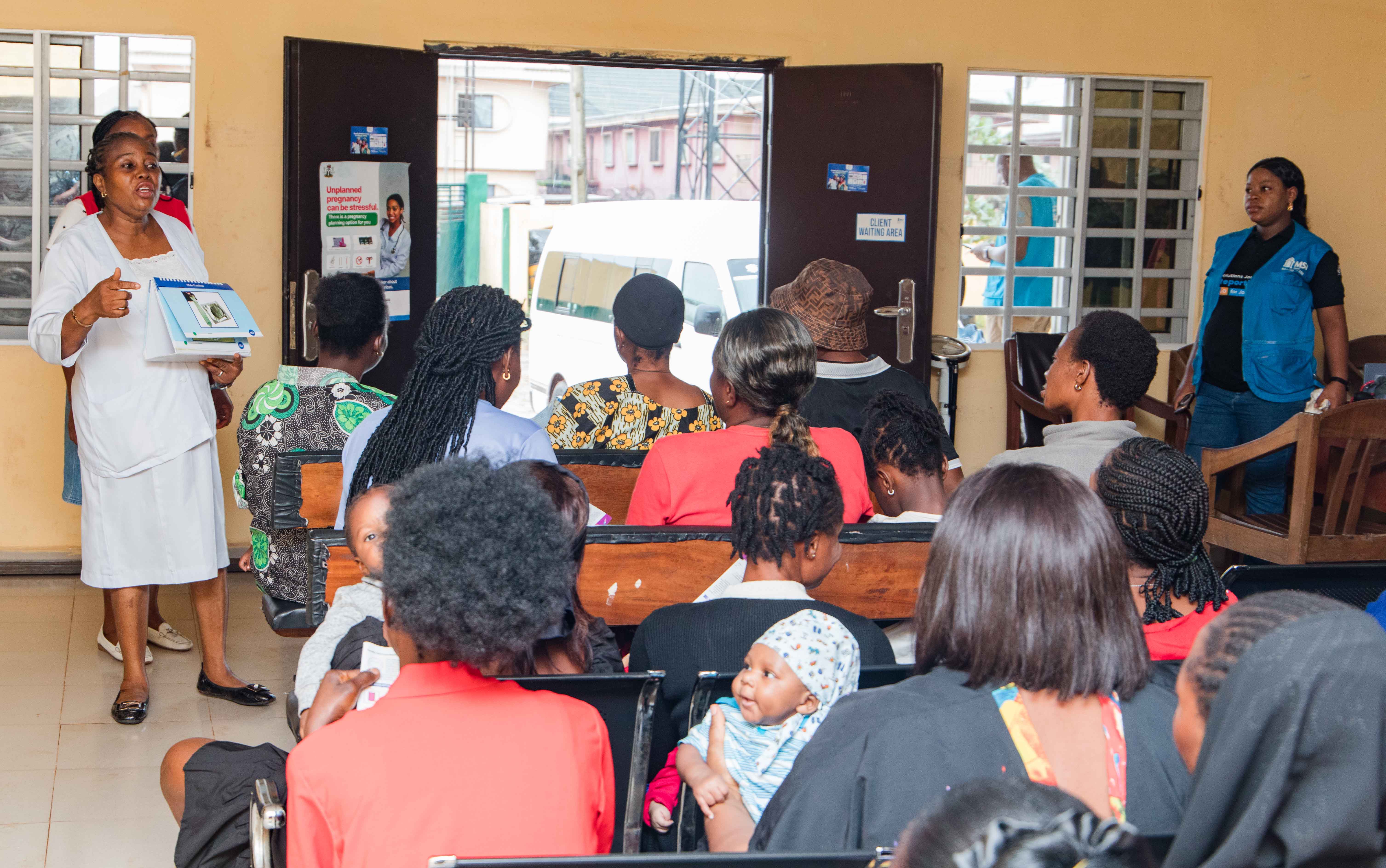
Ogbemudia was undecided about whether she wanted another child, but she was certain she didn’t want another child immediately. While thinking about what to do, she recalled that there are family planning sensitisation sessions during antenatal and immunisation clinics at the Comprehensive Health Care Centre in Eyaen, Uhunmwonde LGA.
During one of the immunisation clinics for her third child, she decided to stay back to get more information about family planning. She learnt that apart from the general sensitisation session, women who wanted to opt for family planning were advised to attend one-on-one counselling sessions.
During the counselling session, Ogbemudia said, “I was introduced to different family planning options. I wanted to select an option for a six-year gap. The nurse advised me to select a three-year option first.”
After a clear understanding of the different family planning options, Ogbemudia chose a three-year implant, a contraceptive method that is more than 99% effective when used correctly.
The three-year family planning implant that Ogbemudia took in 2023 is due for removal in November 2026. “I wish I had this information earlier, but it is still valuable to me,” she added.
Access to SRH Information
Mary’s experience reflects a wider challenge, especially among married women. While awareness of modern contraceptive methods is high in Edo State, knowing that family planning exists does not always mean having the detailed, accurate and trusted information needed to make informed decisions about when to have children, which method to use or where to access services.
According to the Nigeria Demographic and Health Survey (NDHS), knowledge of modern contraceptive methods among currently married women in Nigeria has remained high. In 2018, 93.9 percent of currently married women knew of at least one modern contraceptive method. By 2024, the figure had increased to 94.6 percent. In Edo State, all currently married women surveyed had heard of at least one modern contraceptive method.
Infographics of the percentage of women who know about modern contraceptive method.
However, awareness of family planning alone does not equal access to accurate, relevant and trusted information about family planning methods. Over the years, decisions about family planning have been shaped by concerns about side effects, misinformation, cultural beliefs, partners’ attitudes and uncertainty about which method best fits an individual’s reproductive intentions.
For women like Mary, awareness of modern family planning methods was not enough. While she was unsure whether she wanted another child, she was certain she did not want one immediately. Access to counselling allowed her to move beyond general awareness of family planning and ask questions about the methods available, their duration and which option could meet her need for a longer birth interval.
It is this gap between awareness and access to detailed, trusted and actionable information that MSI Reproductive Choices Nigeria is addressing through a multi-channel approach across Nigeria, including in Edo State. The multi-channel approach deployed by MSI Nigeria includes family planning sensitisation at primary healthcare centres, outreach to hard-to-reach communities, and a call centre. Between January and September 2025, these multi channels have helped to reach over 38,000 women with family planning services across all 18 LGAs in Edo State
Turning PHCs into Information Hubs
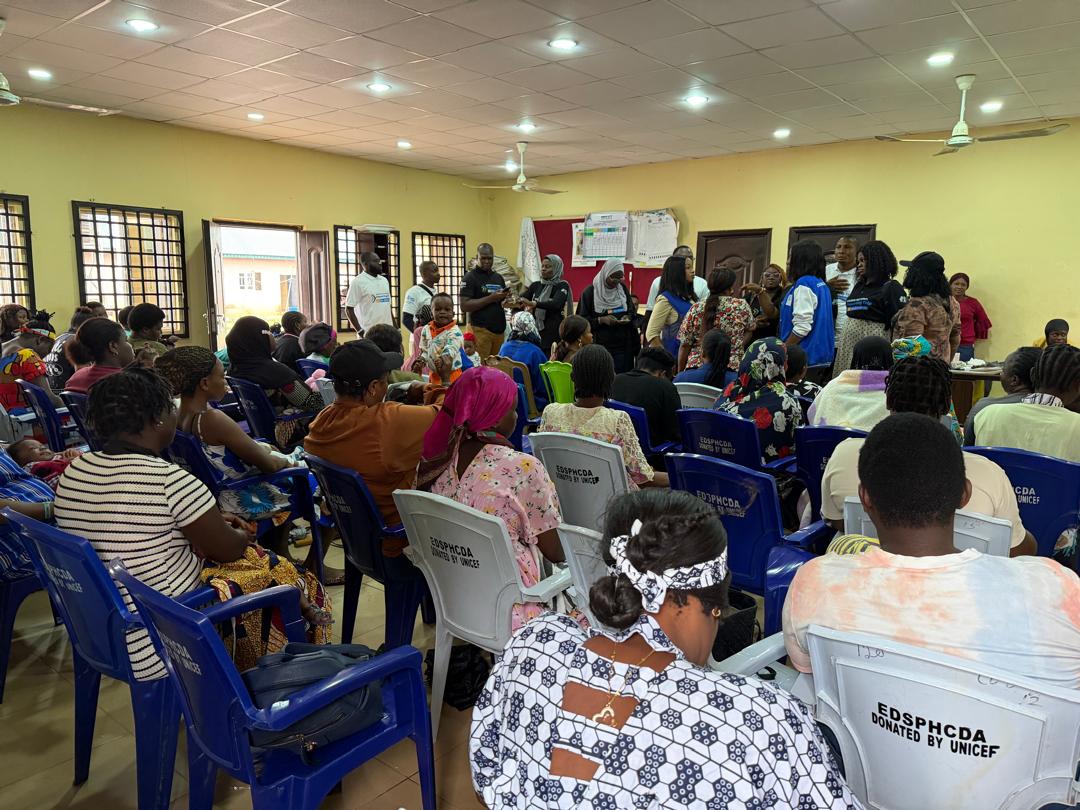
One of the channels that MSI Nigeria deploys to make detailed and accurate information about Sexual and Reproductive Health (SRH) available and accessible to women of reproductive age is through existing Primary Health Centres (PHCs), where many women already access antenatal, postnatal and other healthcare services.
The organisation trains midwives, nurses, and community health extension workers to provide family planning information and services as part of routine healthcare.
The training equips providers with counselling skills and IEC tools to explain available methods and respond to clients’ questions during their visits to health facilities.
“Since 2014, MSI Nigeria has supported 51 health facilities and trained over 250 healthcare providers in Edo”, said Omeche Enemaku, MSI Nigeria’s Regional Manager for the South South and South West.
Enemaku noted that where trained providers have retired, relocated or died, more providers are trained to ensure there is no gap.
At Iwogban Primary Health Centre in Ikpoba-Okha LGA in Edo State, MSI-trained family planning providers are applying the skills and tools they received through the programme to engage women seeking information. Mrs Blessing Ateso-Okaka, the officer-in-charge of the facility and an MSI-trained provider, said the training has helped providers communicate more effectively with clients and address their concerns.
Using IEC tools such as wall flyers, leaflets, table calendars, and frequently asked questions during counselling, she said providers can explain the available methods in ways that respond to individual needs.
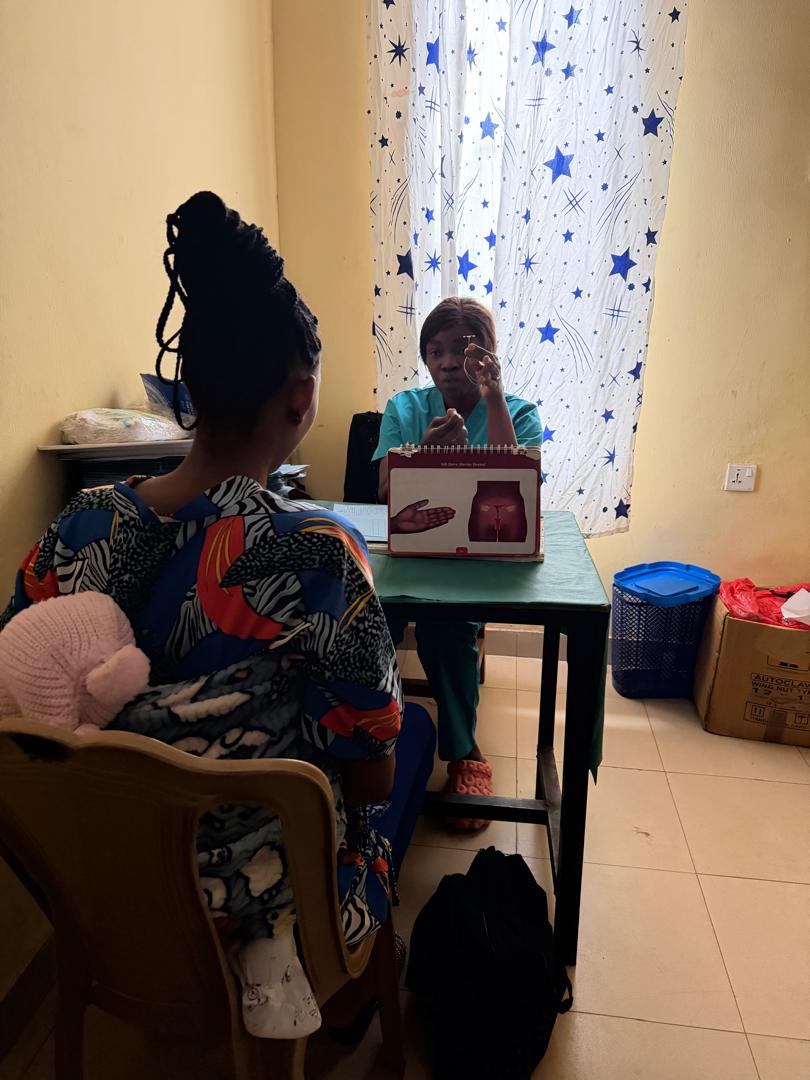
“Through the training sessions for providers, we have learnt the ability to reach the heart of these individuals,” Ateso-Okaka added.
According to her, more women are coming to the facility to seek information about the available options. She also said, “the facility receives an average of 25 women monthly who take up family planning services.”
MSI’s support to PHCs, she said, “extends beyond training to include support for prompt reporting, in-reach activities and the provision of consumables, helping providers continue to offer information and services to women.”
Using PHCs as information hubs has proven to be effective, as women like Mary Ogbemudia access information about family planning during visits to the Comprehensive Health Care Centre.
For Joy Romanus, a 33-year-old mother of three, family planning information provided during visits to the Eyaen Comprehensive Health Centre has been insightful for her, although she has never taken up any modern family planning method.
Oyeronke Oyenusi, Regional Communication & Marketing Advisor at MSI Nigeria, noted that the organisation conducts continuous supportive supervision visits to the supported facilities to help providers maintain service standards.
The follow-up visits provide an additional layer of support beyond the initial training, allowing the team to monitor service delivery and address challenges providers may encounter.
Taking information into the communities
The distance from Benin City to Ikoha Community in Ovia South West Local Government Area of Edo State is over 70 kilometres. Due to the bad road, the journey takes at least 98 minutes.
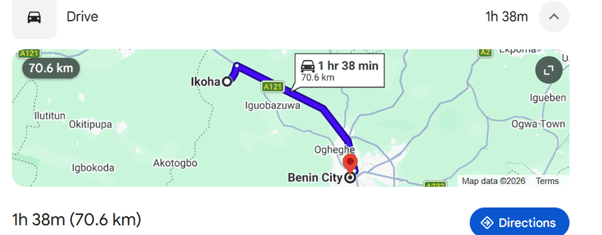
In Ikoha, there is one basic PHC with limited facilities and services rendered. For women in Ikoha and other last-mile communities, this can limit access to formal, provider-led information about family planning and the services available to them.
To reach such communities, MSI Reproductive Choices Nigeria takes information and services closer to women through community outreach programmes. The outreaches are carried out by health workers, midwives and nurses.
Since January 2023, the outreach workers in Edo engage women directly, providing information about available family planning methods and creating opportunities for them to ask questions and discuss their reproductive intentions.
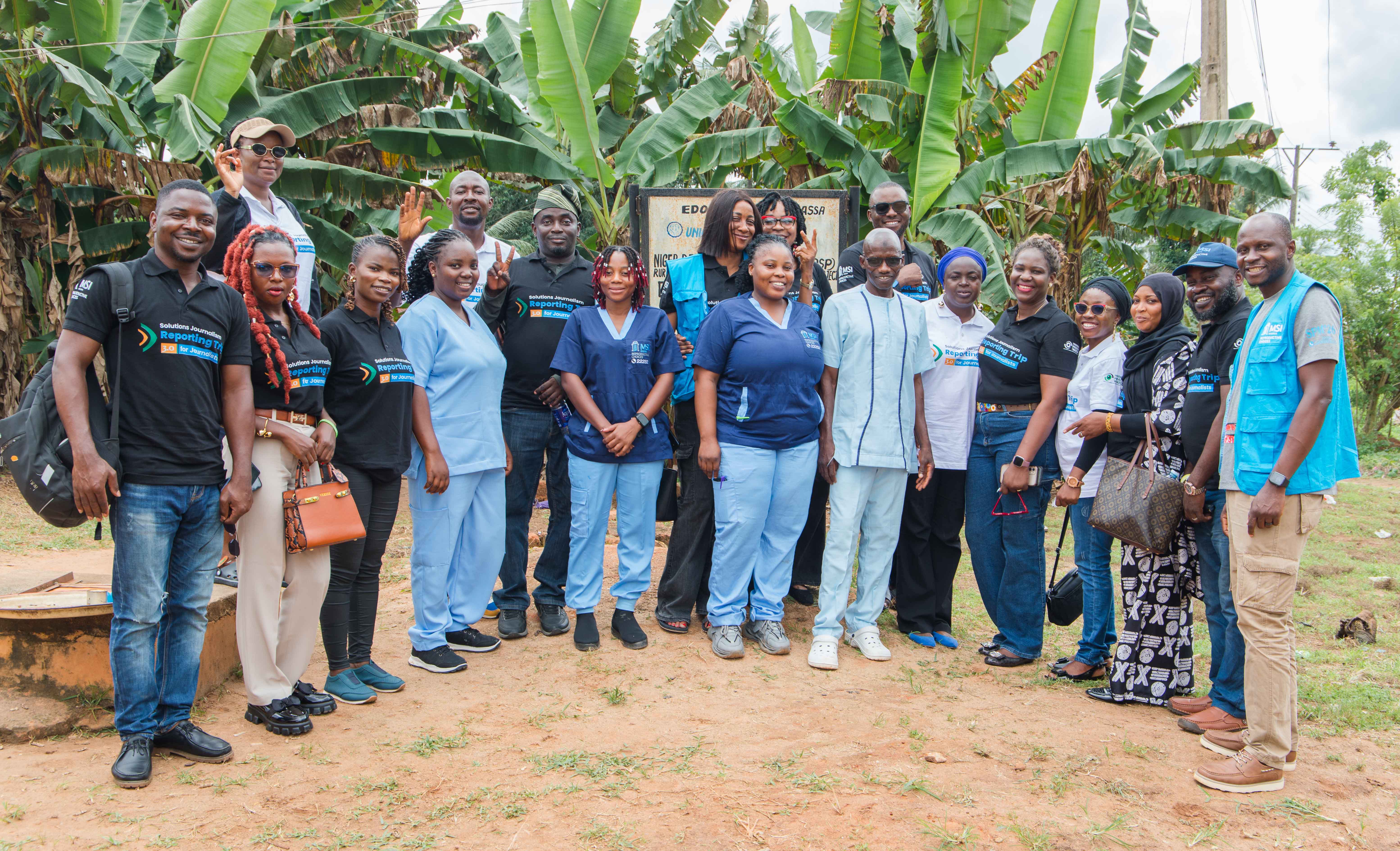
The approach is designed to move beyond general awareness of contraception by connecting women with trained providers who can explain the options available and, where appropriate, link them to services.
According to Chibuike Utaka, Head of Marketing and Communication at MSI Nigeria, “outreach locations are selected based on specific factors including unmet family planning needs, teenage pregnancy, and the absence of support from MSI or other partners.”
He explained that the locations are selected in consultation with the Edo State Ministry of Health to ensure the intervention reaches communities with identified gaps.
For some of these communities, the challenge is not only distance but also the limited capacity of existing health facilities. Omeche Enemaku said some outreach locations have health facilities but lack adequately equipped staff, while others have no facilities at all.
“In some communities, there are facilities standing but no equipped staff. In some communities, there are no facilities, and where there are no facilities, we use town halls or spaces provided by residents,” Enemaku said.
Enemaku said outreach teams have a work plan that guides scheduled and regular visits to the selected communities, providing women of reproductive age with information about sexual and reproductive health and access to services based on their choices.
She said the Edo outreach team covers the whole of Edo State, parts of Ondo and Delta States. “We move from community to community and do follow-up. Where necessary, we refer the clients to a nearby provider,” she added.
Information at a Call Away
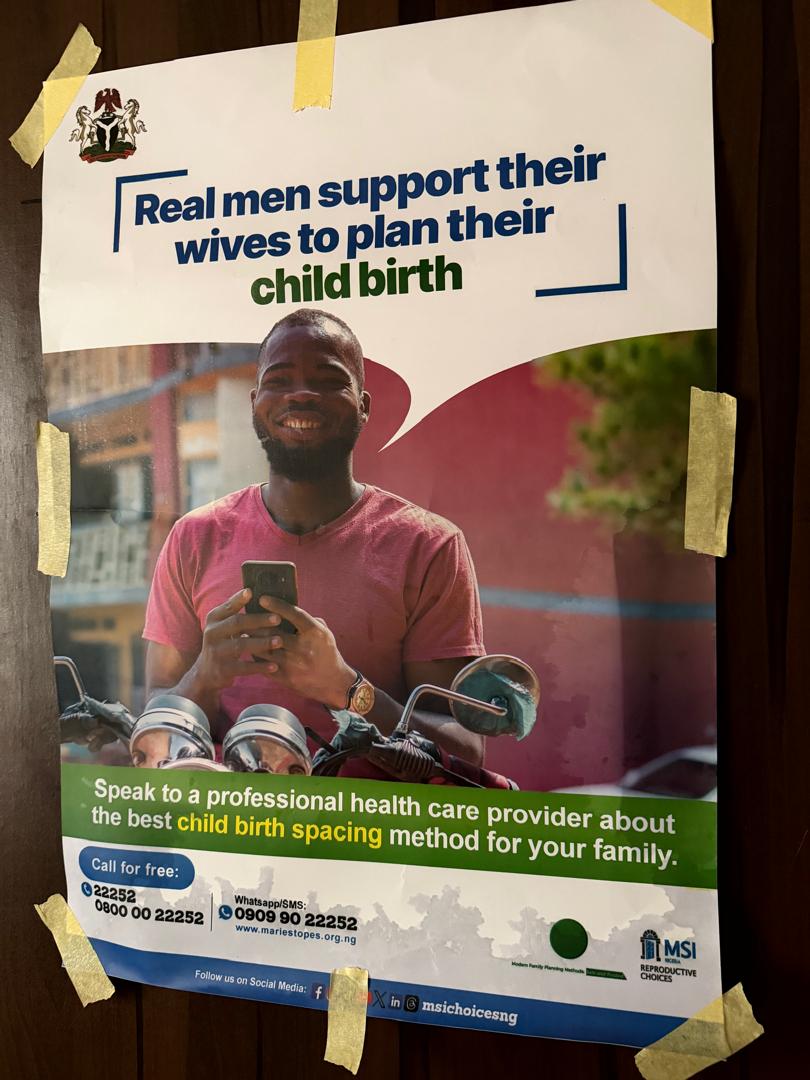
For women who are unable to visit a health facility or who do not have outreach centres in their communities, information is also available through MSI Nigeria’s toll-free contact centre, ‘22252’.
The contact centre operates from 8 am to 6 pm daily and allows clients to speak with trained agents about family planning and other sexual and reproductive health issues. Women can ask questions about available methods, raise concerns or misconceptions, and seek advice before or after receiving a service.
The service, which helps to enhance confidentiality, also provides information in English, Igbo, Hausa and Yoruba. This helps clients to seek advice in languages they understand and reduces language barriers that may prevent some people, particularly those with limited English proficiency, from accessing information.
According to Omeche Enemaku, MSI Nigeria’s Regional Manager for the South South and South West, “where necessary, callers can also be referred to an MSI service delivery point for further support.”
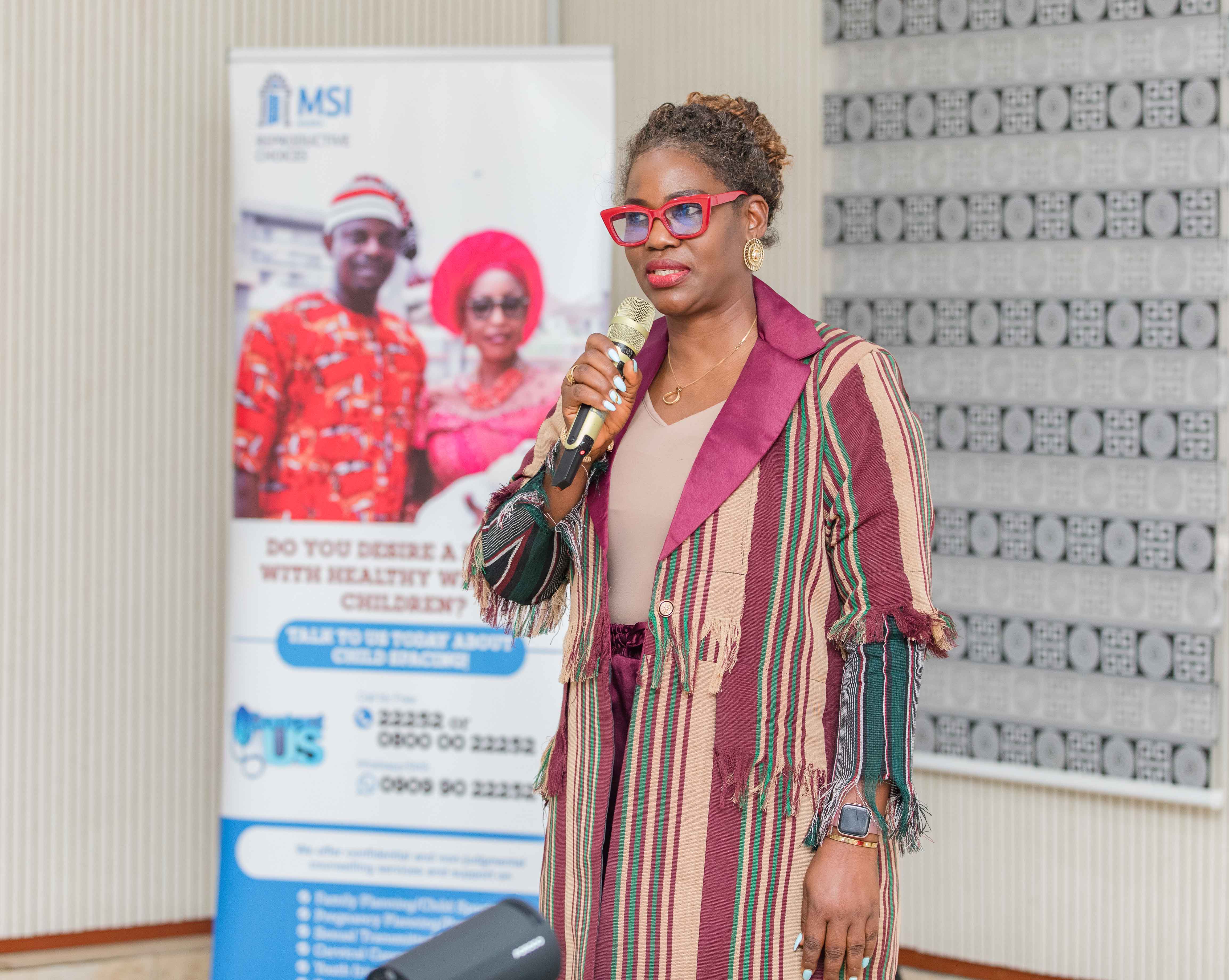
The referred callers receive a unique code that they can easily present when they arrive at the service delivery point. With the unique code, providers understand that initial support has been provided, which may shorten their wait time at the service delivery point.
The Barriers that Remain
Knowledge of family planning does not automatically determine whether a woman will use a modern contraceptive method. Some women who know about available methods may still want to have children soon, while others may want to delay or limit future pregnancies.
The 2018 NDHS found that 36 percent of currently married women had a demand for family planning, with 22 percent wanting to space births and 14 percent wanting to limit them. By 2024, total demand for family planning among currently married women aged 15–49 had increased to 41 percent (52% among urban women and 34% among rural women). By zone, the demand for family planning was lowest in North West (31%) and highest in South West.
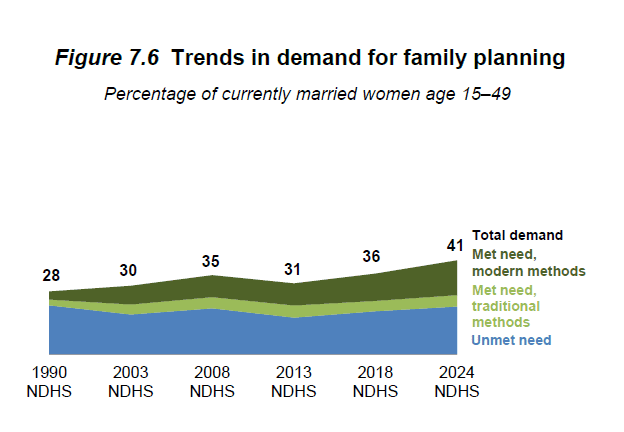
The difference between the widespread knowledge of modern contraceptive methods (94.6 % as of 2024 NDHS) and the proportion of women with a demand for family planning shows that awareness alone does not determine reproductive choices. Even among women who want to delay or limit pregnancies, other factors can influence whether they adopt or continue using a method.
Joy Romanus, who had access to detailed and accurate information at the Eyaen Comprehensive Health Centre, did not choose any modern contraceptive method.
According to her, she uses a natural family planning method, and it has helped to space her children by at least three years after each child.
When asked if she thinks the natural method might fail, Joy expressed confidence in the method, stressing that it doesn’t have any side effects.
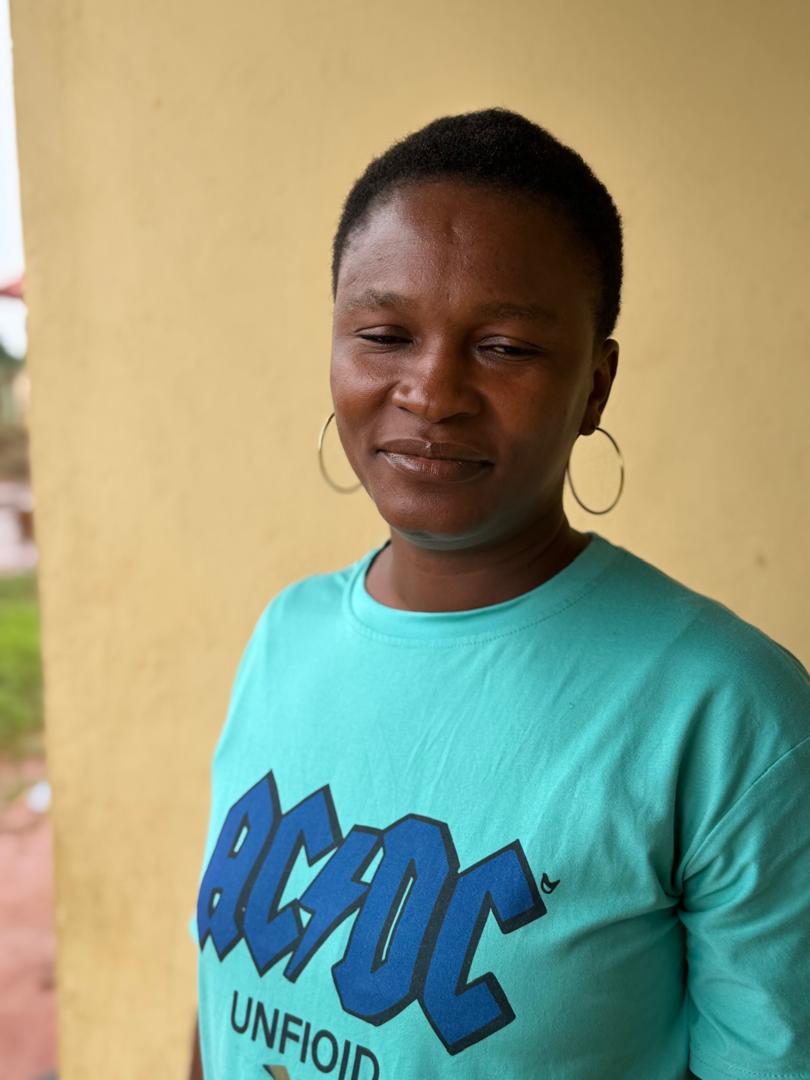
While counselling has been helpful for many women, it is different for women with disabilities, especially Deaf women. For Yemisi Isodo, a Deaf woman and Vice Chair 1 of the Lagos State Chapter of the Joint National Association of Persons with Disabilities, attending a family planning counselling session can pose communication challenges, as she may need to rely on a sign language interpreter to communicate with the healthcare provider.
While she acknowledged that interpreters can help bridge the gap, she expressed concern about whether all the information provided by a health worker, including instructions about the use of a method and possible side effects, is always communicated in the same way. The uncertainty, she said, has made her hesitant about seeking family planning services.
Even after counselling leads to the adoption of a method, continued use can present another challenge. Mrs Blessing Ateso-Okaka, OIC Iwogban PHC and an MSI provider, said misconceptions and concerns about side effects can make it difficult for some clients to accept or continue using a method.
“One of the challenges is the ability to counsel clients to be informed and accept a method, especially when they have some misconceptions,” she said.
Ateso-Okaka added that some first-time users may become dissatisfied and discontinue a method when they experience side effects without returning to the facility for advice or support.
“For instance, a woman may report bleeding for two weeks. Bleeding is one of the side effects of these hormonal methods. Instead of coming to report, they would rather stop using it,” she said.
While clients may experience side effects, Ateso-Okaka said stopping or removing a method is not always the first option providers consider. “If they report, there are ways we can correct it,” she added.
In some communities, women’s reproductive choices are influenced by their partners’ expectations and long-standing beliefs about childbearing.
Some women may be unable or unwilling to take up family planning because their spouses want them to continue having children. This means that access to information and counselling for women alone may not address every barrier affecting family planning decisions.
The information channels themselves also have limitations. While MSI’s toll-free contact centre provides an additional way for clients to seek advice, it is not available round the clock. Women who need information outside its operating hours, including in the early morning or late evening, may have to wait before speaking with an agent.
The reliance on voice calls also creates an accessibility gap for Deaf women and others who may not be able to communicate through a conventional telephone call.
Deaconess Adedoyin Beyioku-Alase, Founder, Deaf Women Association of Nigeria (DWAN), recommended a text-based messaging platform. For her, using a USSD code to provide information services for Deaf people might be more efficient. It can also allow more people to seek sexual and reproductive health information independently.
The Power of an Informed Choice
Women encounter information and opinions about family planning from different sources, including peers, family members, parents-in-law and religious groups.
Mrs Olabisi Adekoya, a retired nurse and Family Planning assessor and provider, explained that access to accurate information at different stages of a woman’s reproductive journey can help her make decisions based on her own needs, whether she wants to space her children or limit future pregnancies.
Mrs Adekoya explained that family planning information can be provided during antenatal care, after delivery and postnatal visits.
“When they have this information, they can make informed decisions,” she said. With a clear understanding of the available options, Adekoya added, “women can be more confident about the methods they choose.”
Beyond having information about available contraceptive methods, however, Rashidat Sanni-Afolabi, a midwife and public health educator, said informed choice also depends on women knowing where they can access services and receiving appropriate support from providers.
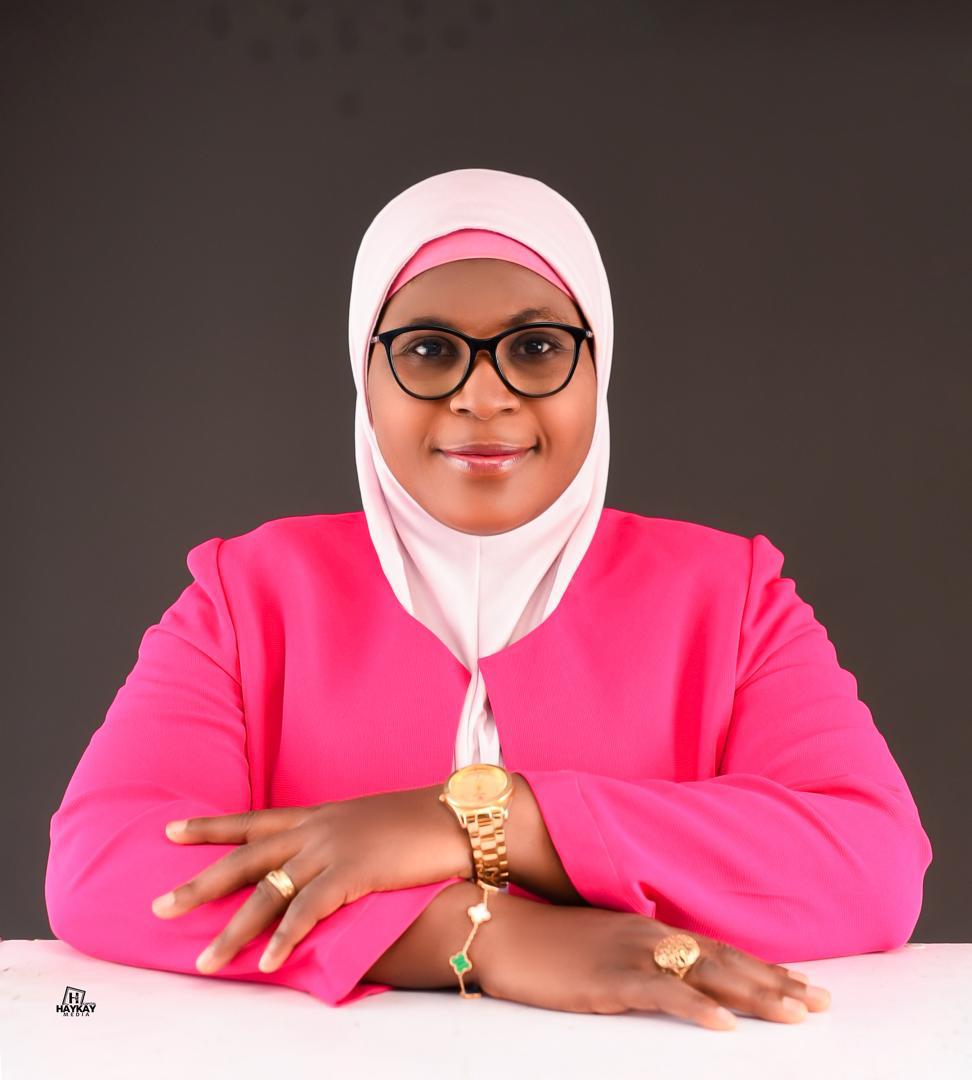
Afolabi said access to accurate and detailed information can empower women, particularly because uptaking family planning service entails behavioural change.
For Mary Ogbemudia, that process began after a sensitisation session during an immunisation clinic following the birth of her third child. Three years later, as she approaches the end of her implant’s duration, she has a better understanding of the options available to her than she did when she first began having children.