
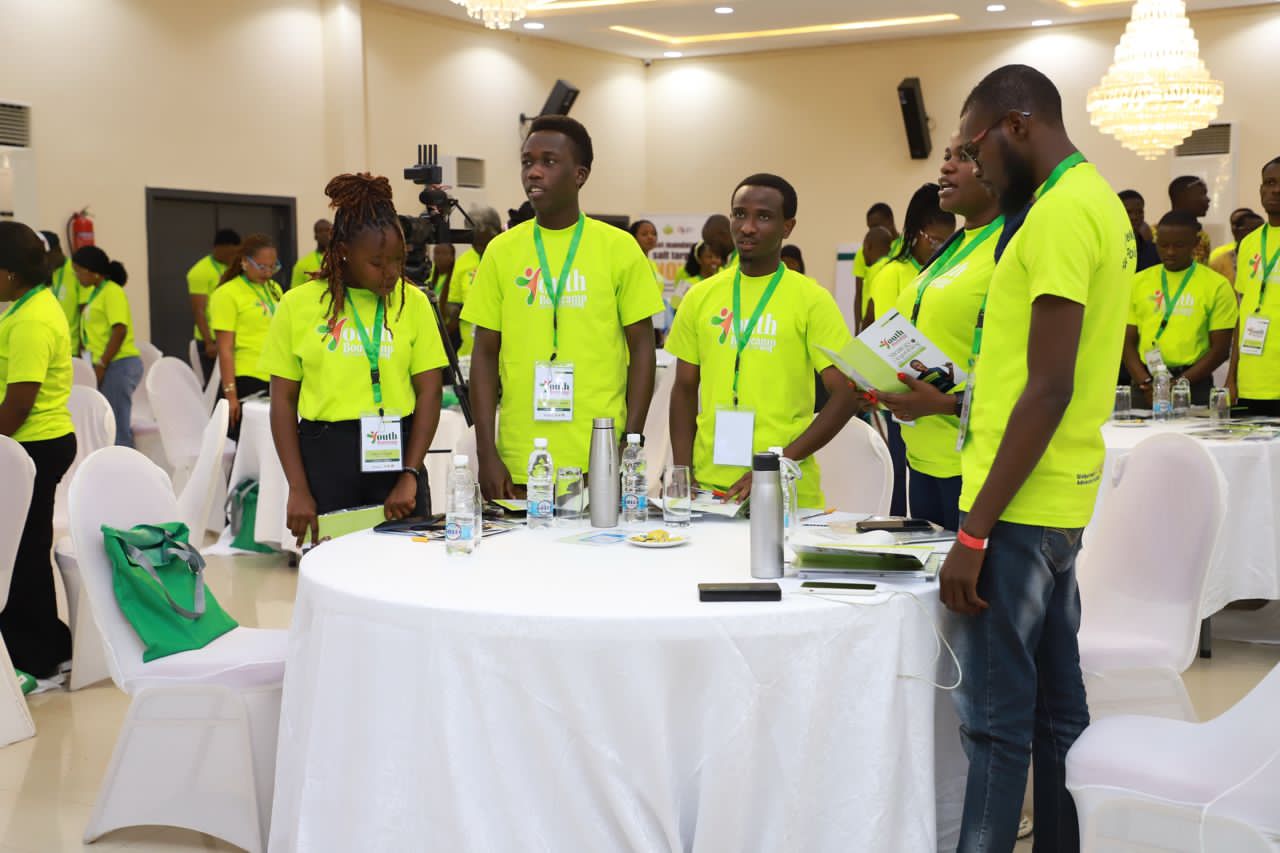
The Corporate Accountability and Public Participation Africa (CAPPA) has on Sunday, August 24, opened its Youth Bootcamp for Food Justice 2025 at the Ikogosi Warm Springs Resort, Ekiti State.
The programme, which runs until August 29, is organised in partnership with the Global Health Advocacy Incubator (GHAI) and will host young participants drawn from Nigeria’s six geopolitical zones.
CAPPA explained that the bootcamp was conceived as a response to the rising tide of non-communicable diseases (NCDs) in Nigeria, which health experts blame on the unchecked consumption of ultra-processed foods and sugar-sweetened beverages. Weak regulation and misleading advertising, the organisation added, have worsened the situation.
The training is designed to instill a deep understanding of food justice, nutrition, and health policy, empowering participants to advocate for equitable and sustainable solutions. Activities will include interactive workshops, policy simulations, media engagement sessions, and scenario planning exercises.
“Food justice is becoming one of the defining public health and social issues of our time,” said CAPPA’s Executive Director, Akinbode Oluwafemi. “This bootcamp is about equipping young Nigerians with the knowledge, confidence, and skills to take part in shaping nutrition policies and environments that affect what we eat, how we live, and ultimately, the health of our communities.”
The bootcamp’s faculty will include both Nigerian and international experts in food policy, health advocacy, and social justice. Participants will be exposed to debates on the Sugar-Sweetened Beverages (SSB) Tax, legislative pathways to addressing NCDs, and strategies for grassroots mobilization.
Experts argue that the conversations are urgently needed. The World Health Organisation estimates that NCDs already account for nearly 30 percent of all deaths in Nigeria. Diabetes is projected to affect over six million Nigerians by 2045, up from 3.9 million in 2019, while hypertension currently impacts one in three adults.
“These conditions are diet-related and their rise is a clear warning,” noted a CAPPA health advocate. “Unless urgent action is taken to strengthen oversight of the food and beverage industry, Nigeria risks facing a public health crisis that will be far more costly to manage in the long run.”
For CAPPA, the bootcamp also represents an investment in leadership. Oluwafemi added “We believe that young people are at the forefront of change. They are not only consumers but also future policymakers, researchers, and leaders who must be part of the solution.”
Organizers say the event will go beyond training to foster a national network of food justice advocates. Participants are expected to sustain collaborations after the programme, coordinating campaigns and amplifying their voices in the push for healthier food systems across Nigeria.