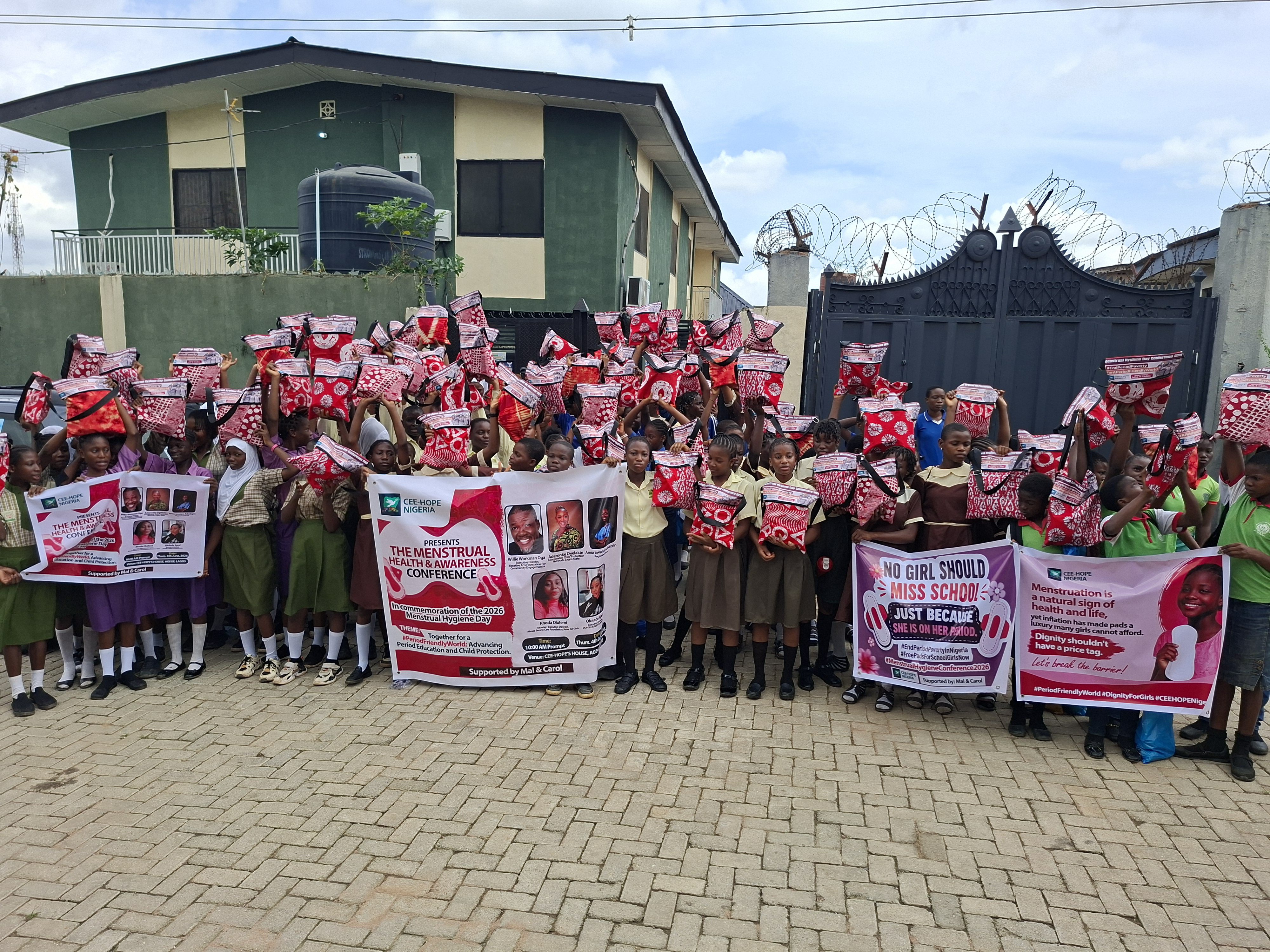

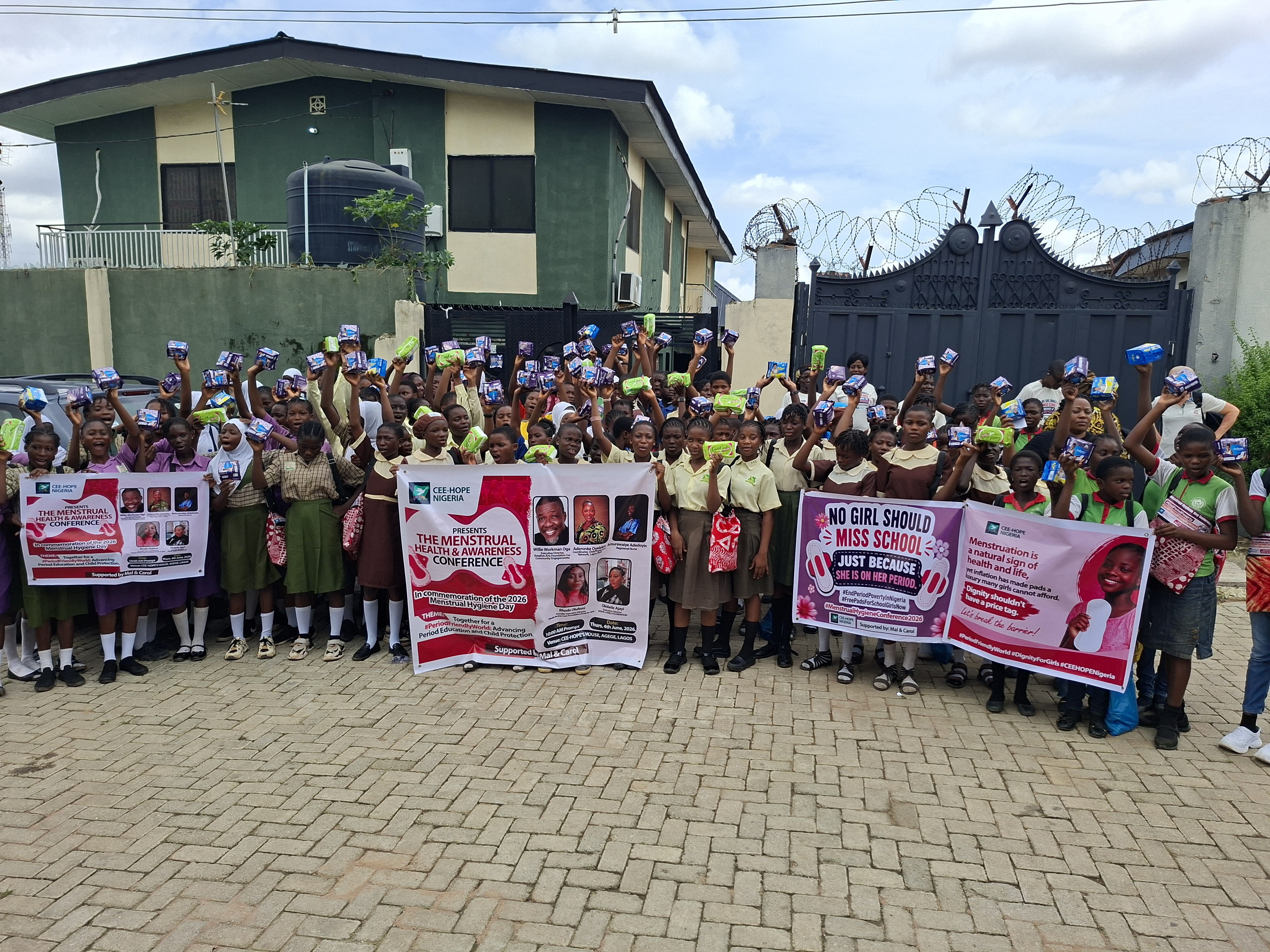
A non-governmental organisation, Centre for Children’s Health, Education and Orientation (CEE-HOPE Nigeria), has called for the full implementation of the National Policy on Menstrual Health and Hygiene Management in Nigeria, to tackle period poverty in the country.
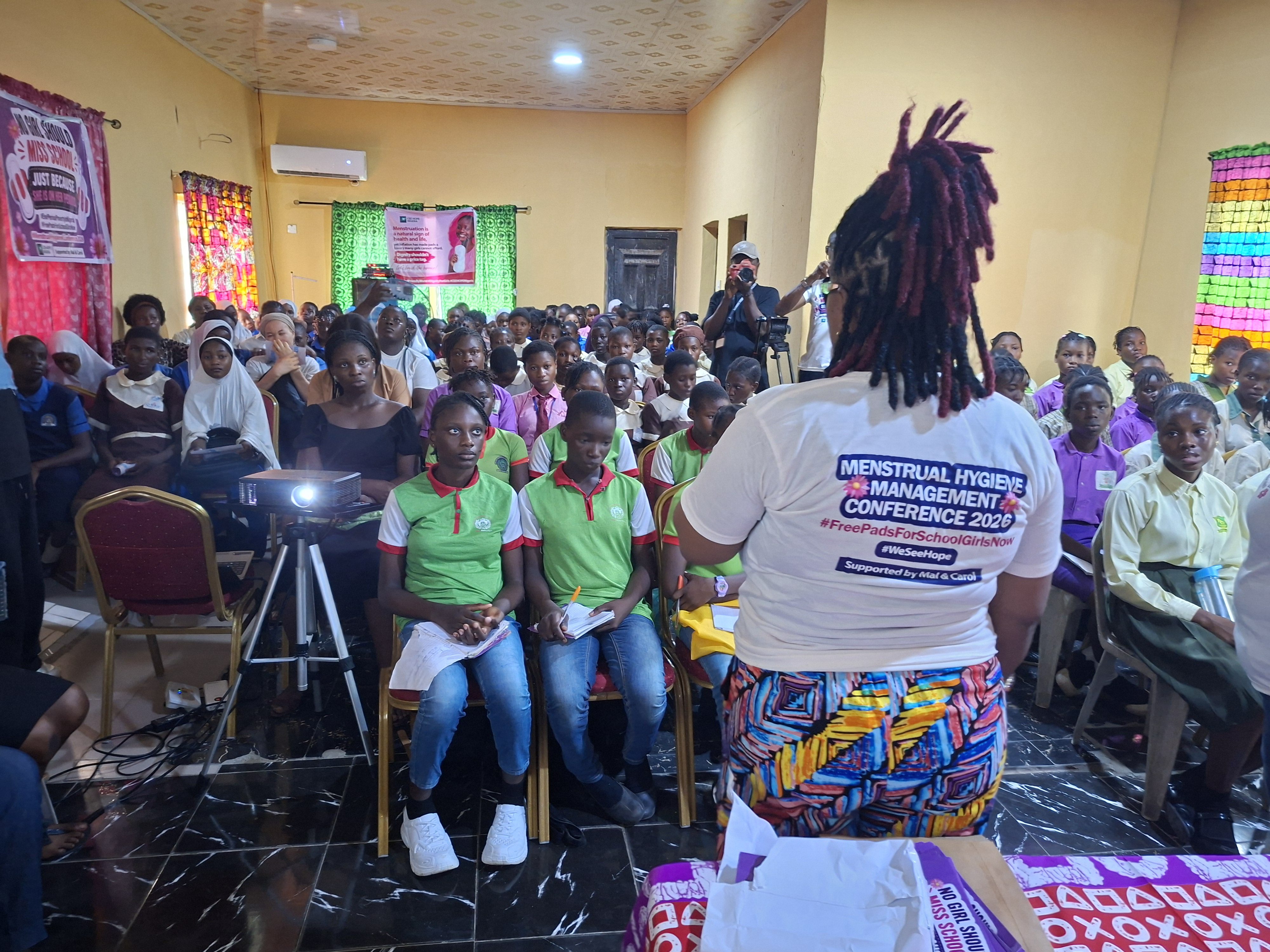
The call was made by CEE-HOPE’s Executive Director, Betty Abah, while making her presentation at the organisations 9th annual Menstrual Health and Awareness Conference, with the theme ‘Together for a #PeriodFriendlyWorld: Advancing Period Education and Child Education’.
Abah, who welcomed the launch of the Menstrual Health and Hygiene Management Policy as a response to some of the demands of the organisation over the years, buttressed that the policy should not be limited to high-level activities or one-off distribution of pads.
Abah said, “beyond announcements, launches and commemorative events, we want to see a policy that is far-reaching, adequately funded, measurable and transformative in the lives of girls across Nigeria.”
Referencing the availability of pads to schoolgirls in Kenya and to all women within the reproductive bracket in Scotland, Abah reiterated the need for government at all levels “to provide free sanitary pads to schoolgirls, especially those from low-income households.”
She also noted that there should be removal or significant reduction of taxes and tariffs on menstrual products, and investment in functional water, sanitation, and hygiene facilities in schools.
A menstrual health advocate and Founder of Rhoda Serene Care Foundation, Rhoda Olorunfemi, described period poverty as the lack of access to sanitary products, menstrual health education, hygiene facilities, and adequate support during menstruation.
According to her, period poverty negatively affects the dignity, health, and educational opportunities of many girls.
Olorunfemi identified key drivers of the challenge as “poverty, the high cost of sanitary products, inadequate water, sanitation and hygiene (WASH) facilities in schools, cultural stigma, and limited access to reproductive health education.”
She also corroborated the demand for free distribution of pads to schoolgirls and provision of WASH facilities in schools.
Speaking at the conference, Aderonke Oyelakin, Coordinator of Child Protection Network (CPN) Lagos, encouraged girls to embrace confidence and proper hygiene during menstruation.
Oyelakin added that girls have a responsibility to take care of themselves and seek reliable guidance on menstrual health.
“Maintain a high level of personal hygiene and cleanliness during your menstruation. Talk to your parents and teachers about menstruation rather than relying solely on friends who may not have accurate information,” she said.
Also speaking, a registered nurse, Adedoyin Amurawaiye, challenged misconceptions surrounding menstruation and urged parents, especially fathers, to create supportive environments for their daughters.
“Fathers should create safe spaces where their daughters can freely discuss menstruation,” she said.
She also enlightened the participants on the regular changing of their sanitary pads between 4 and 6 hours, as well as safe and proper disposal of used pads.
In her remarks, Ololade Ajayi, Executive Director of DOHS Cares Foundation, urged community members to support girls and women facing menstrual challenges.
Similarly, Willie Workman Oga, Executive Director of the Creative Arts Foundation for Community Engagements, stressed the importance of empowerment and self-sustainability as tools for addressing menstrual health challenges and improving the well-being of girls and women.
The conference had in attendance schoolgirls from different schools across Lagos and Ogun States, teachers and community members. All the students received sanitary pads and educational items.