
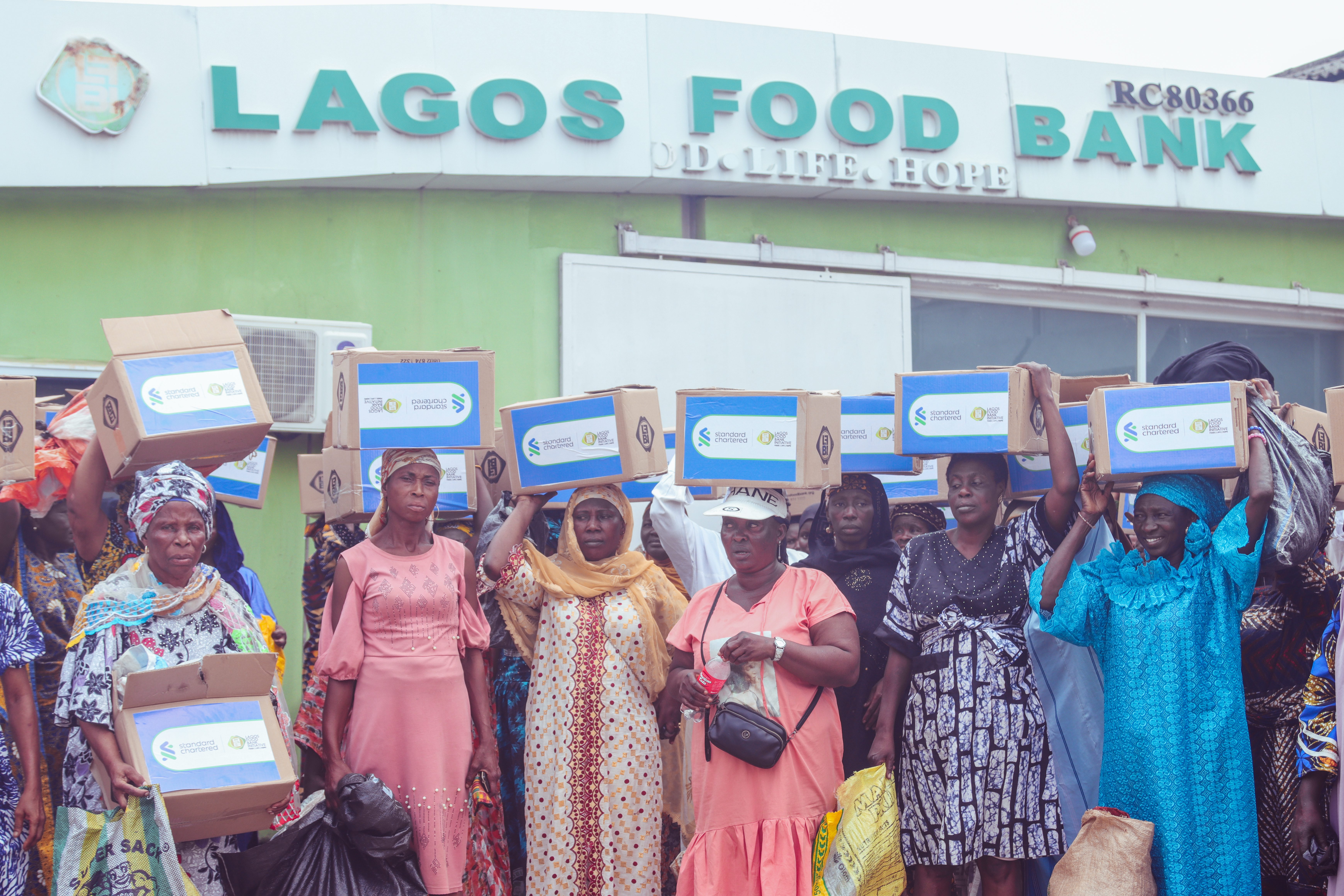
Rising food prices continue to push many families deeper into hunger, with little hope for a better future. In this interview to commemorate the 2026 World Hunger Day, themed: ‘The End of Hunger is in Our Hands’, Dr. Michael Sunbola, the Executive Director and Founder of the Lagos Food Bank Initiative (LFBI), shares how the organisation is tackling hunger in underserved communities across Lagos State.

Question: World Hunger Day brings to focus the reality of hunger, food insecurity, and the need for lasting solutions. From your perspective, what does hunger truly look like in underserved communities across Lagos today?
Response: Hunger in Lagos is not hidden, especially in underserved communities across the state. “It is right in front of us.” That’s our direct message. Hunger looks like a child’s bones becoming visible, a toddler too weak to crawl or sit unaided, young kids dropping out because of a lack of focus caused by empty bellies, and families skipping meals or surviving on one low-nutrient meal a day (often garri or plain rice). It means parents choosing between good food and rent, school fees, or medicine. Economic pressures have made it worse as rising food prices push more working poor into acute food insecurity.
Question: Are there misconceptions people have about hunger that you would like to correct?
Response: Yes. One of the biggest misconceptions about hunger is that it only affects people without jobs or shelter. In reality, many hardworking families still struggle to afford nutritious meals due to rising food costs, low incomes, and economic hardship. Another misconception is that hunger is only about an empty stomach. Hunger also affects children’s growth, learning, health, productivity, and overall well-being. Many people also assume food insecurity is temporary for most households, but for vulnerable communities, it can be a daily and long-term challenge that requires sustainable support, and not just emergency relief.
Question: Can you share the scale of your nutrition interventions, how many lives have been reached since the Food Bank’s inception?
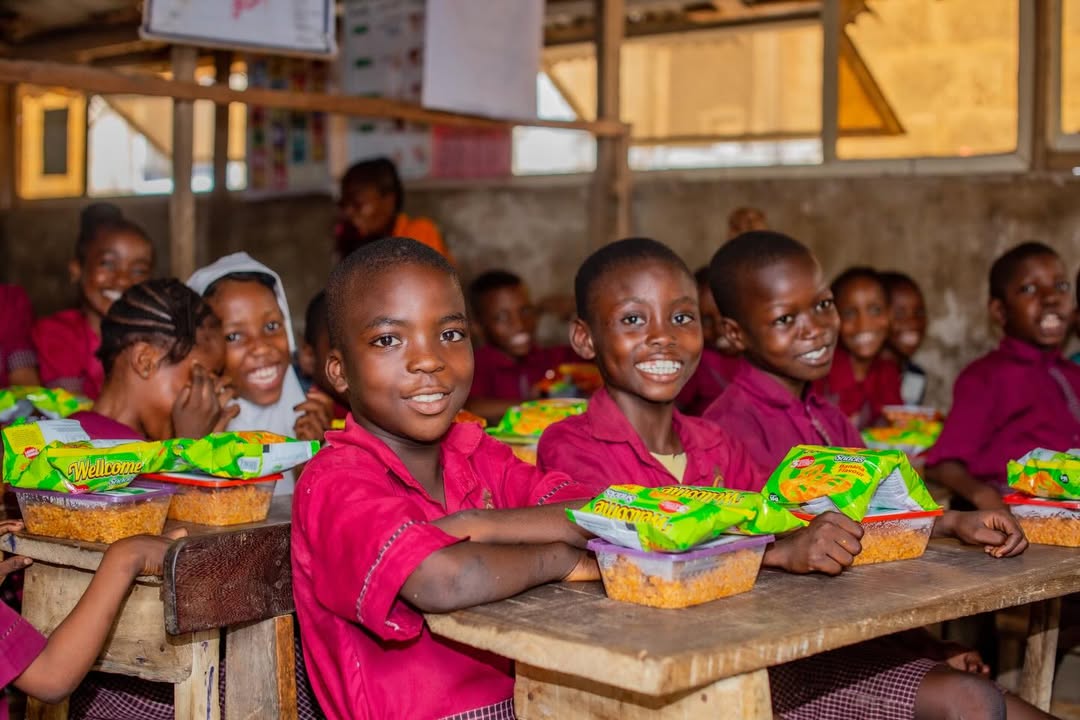
Response: Since commencing operations in 2016, the Lagos Food Bank Initiative has reached over 3.7 million vulnerable beneficiaries across more than 170 underserved communities in Lagos and beyond through its food relief, nutrition, education, and livelihood interventions. Our nutrition-focused programs have particularly impacted pregnant women, lactating mothers, infants, and school-aged children who are most vulnerable to malnutrition and food insecurity. Through our strategic nutrition interventions, we have successfully rescued 1,214 children from severe malnutrition and provided continuous nutrition support to vulnerable households. Through the EDUFOOD school feeding program, over 6,000 children in low-cost private schools have received nutritious meals designed to improve concentration, school attendance, and academic performance. In addition, over 4,163 women have been empowered through our backyard farming initiative, helping households improve access to nutritious food while strengthening their economic resilience and food sustainability.
Question: What inspired the Food Bank to prioritize nutrition-focused interventions, especially for the most vulnerable in these communities?
Response: We were inspired to prioritize nutrition-focused interventions after witnessing the harsh realities faced by vulnerable families in underserved communities. During food distributions, we encountered pregnant women, nursing mothers, infants, and school-aged children suffering not just from hunger, but from poor nutrition and limited access to balanced meals. Many children were struggling with concentration and learning in school, while mothers faced health complications linked to malnutrition. These experiences made us realize that addressing hunger required more than the distribution of food alone. There was a critical need for targeted nutrition interventions that could improve health outcomes, support child development, strengthen immunity, and break the long-term cycle of poverty and malnutrition. This understanding led to the development of strategic programs such as NUMEPLAN and EDUFOOD. NUMEPLAN was designed to provide nutrition support for pregnant women, lactating mothers, and children under five during the most critical stages of growth and development. EDUFOOD focuses on improving the nutritional intake of vulnerable school children through nutritious meals that enhance learning, attendance, and academic performance.
Question: In addressing hunger, what approach can be considered sustainable for long-term food security, and are there practical steps taken by the Lagos Food Bank in this regard?
Response: A sustainable approach to addressing hunger goes beyond food distribution and focuses on building resilient food systems to improve nutrition, reduce food waste, and empower vulnerable communities to become more food secure and self-reliant over time. While immediate food relief remains critical, long-term food security requires solutions that address the root causes of hunger, such as poverty, poor access to nutritious food, post-harvest losses, and limited agricultural capacity. At the Lagos Food Bank Initiative, we are taking practical steps in this direction through sustainable interventions focused on agriculture, food recovery, and community empowerment. Through our recently launched initiative, the Green Harvest Agri-Food Initiative, we promote sustainable agriculture, recover surplus farm produce that would otherwise go to waste, and explore innovative waste-to-value solutions through the rearing of black soldier fly larvae to strengthen long-term food systems. We also empower women and youth through family farming initiatives to grow their own food by training them and helping them establish poultry, snail, and vegetable farms for consumption and enterprise. These efforts are aimed not only at feeding people today, but at creating sustainable pathways toward healthier, more resilient, and food-secure communities.
Question: Beyond the numbers, what does real impact look like to you on the ground?
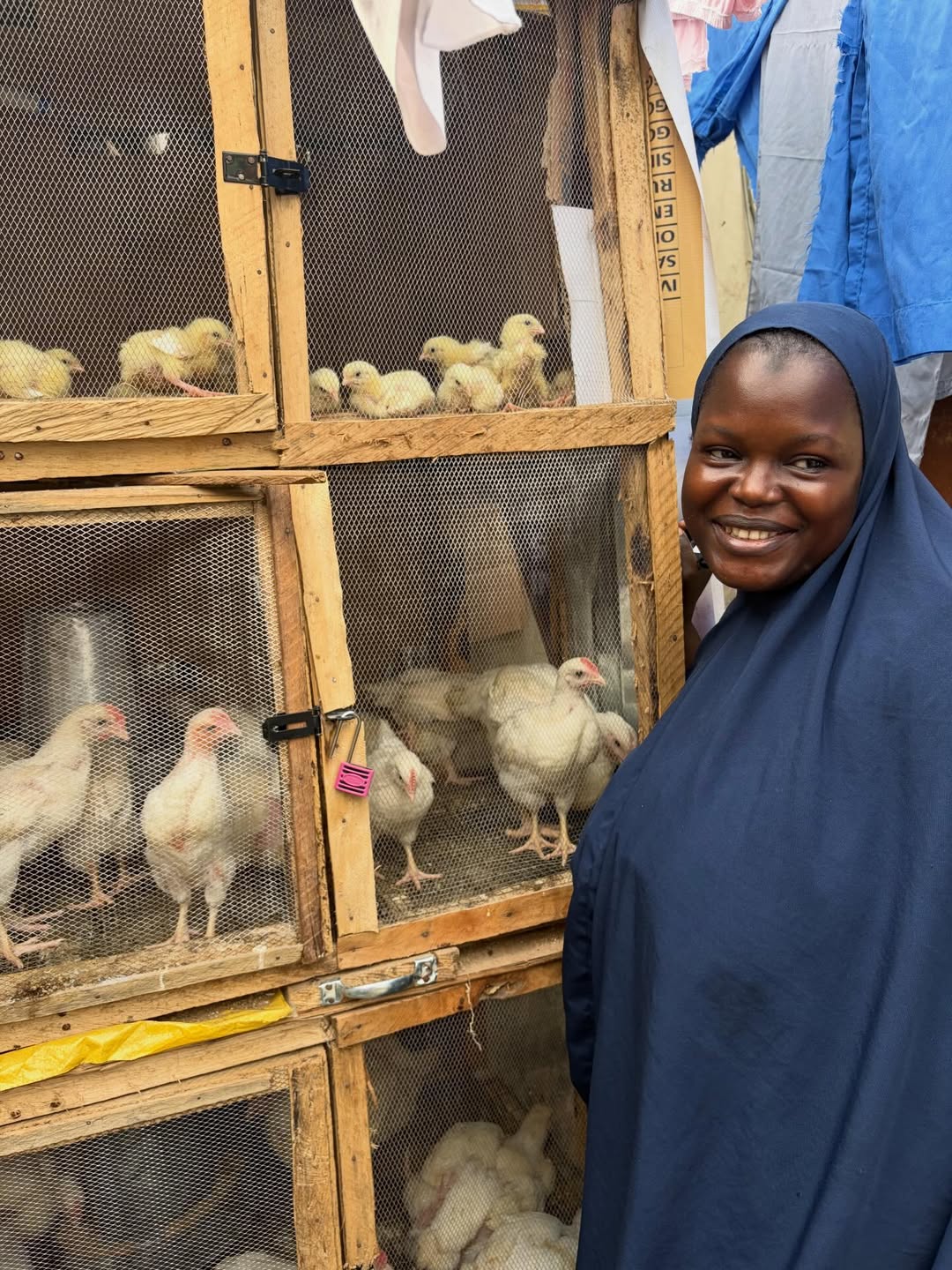
Response: Beyond the numbers, the real impact for us is seeing hope return to people who had almost given up. It is watching a child who used to come to school hungry become more active, confident, and eager to learn because they now have access to nutritious meals through our support. Sometimes, impact looks very simple but powerful, a parent smiling with relief after seeing their child gaining healthy weight after months of malnutrition, or a woman proudly selling her chicken from her backyard garden to feed her household. We have met families who told us they felt forgotten before our intervention. Seeing them regain dignity, stability, and hope reminds us that our work is about more than food distribution. It is about helping people feel seen, supported, and cared for during difficult times. For us at the Lagos Food Bank Initiative, the greatest impact is knowing that behind every number is a real person whose life has been touched in a meaningful way.
Question: Is there a particular child or family story that has stayed with you, one that truly captures the impact of your work?
Response: One story that has stayed with us is that of a young child named Mozeedah, who was referred to our nutrition program through a Primary Healthcare Center. When she first came to us, she was severely malnourished, weak, and struggling to respond like a healthy child her age. Her mother was overwhelmed and unsure of where to find help. Through our nutrition intervention program, Mozeedah received consistent nutritional support, while her mother participated in counseling sessions on child feeding and care practices. Within a few weeks, the transformation was remarkable. Mozeedah began gaining healthy weight, became more active, started smiling again, and gradually regained her strength. For our team, moments like that are deeply emotional because they remind us that behind every statistic is a real child, a real family, and a future that can still be changed with timely support. Another story that continues to inspire us is Mrs. Kuranga, a beneficiary of our Family Farming Program. She initially came to the Lagos Food Bank Initiative through our Temporary Food Assistance Program (TEFAP) during a difficult period for her family. She was later trained in poultry farming alongside other women and youth and received support to start a small backyard poultry farm. What made her story exceptional was what happened afterwards. Through dedication and consistent monitoring support from our team, Mrs. Kuranga expanded her poultry farm independently, adding turkeys to the chickens she originally received. Today, she not only provides nutritious food and income for her household, but she also supports her neighbors by helping them start their own small poultry farms.
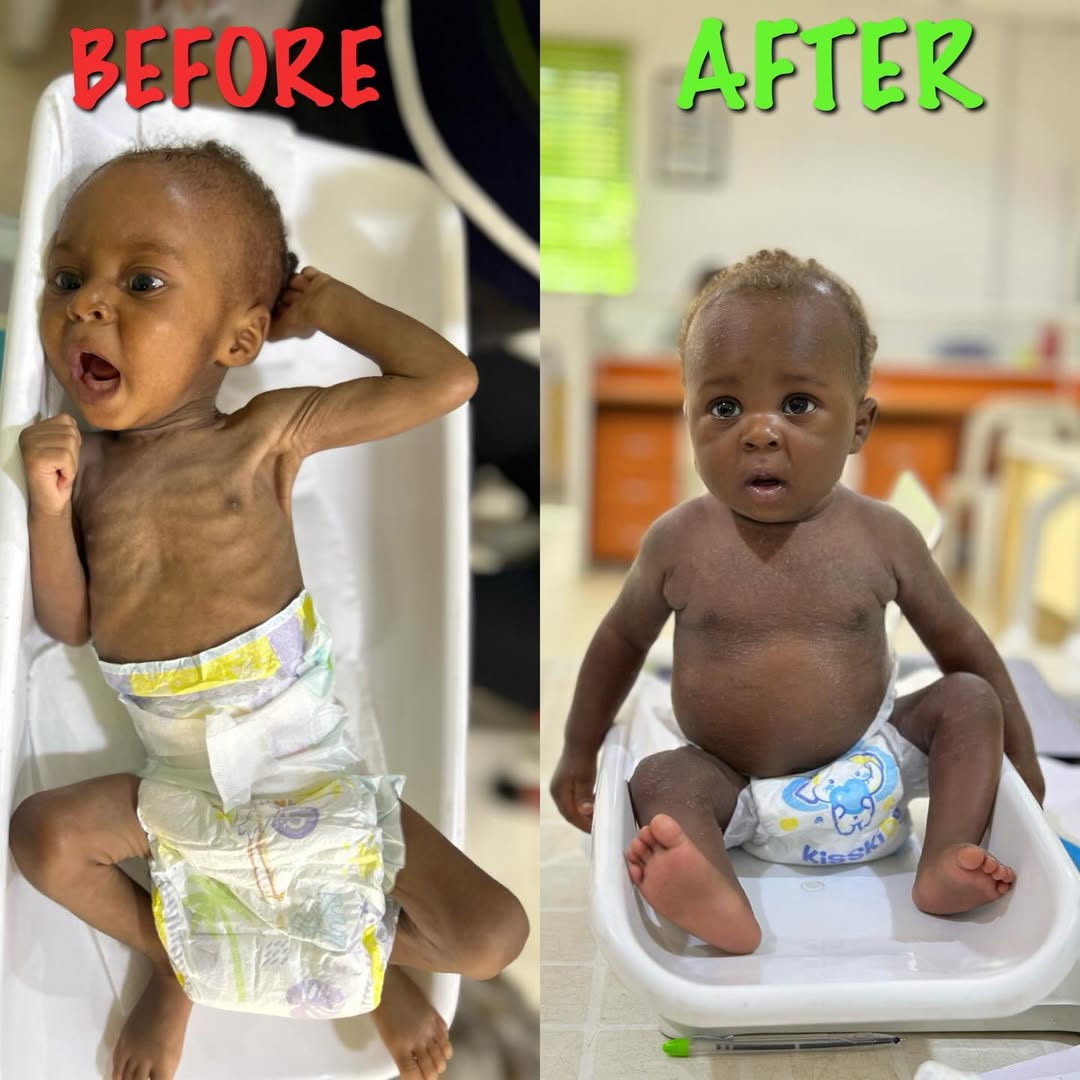
Question: We’ve seen cases where children recover from severe malnutrition through your intervention. What does that transformation mean, not just physically but emotionally for affected families?
Response: For many families, the transformation goes far beyond physical recovery. Physically, we see children regain healthy weight, become more active, develop stronger immunity, and begin to grow the way they should. But emotionally, the impact is even deeper. Many parents come to us feeling helpless and afraid after watching their child become weak from severe malnutrition. Some mothers carry the guilt of not being able to provide enough nutritious food, despite doing everything they can under difficult circumstances. So, seeing their child gradually regain strength, smile again, play, and respond like a healthy child brings an overwhelming sense of relief and hope. We have seen mothers become emotional during follow-up visits because, for the first time in months, their children are eating properly, sleeping better, and becoming active again. It restores confidence in parents and gives families hope that their situation can improve. For us, those moments are incredibly powerful because they remind us that nutrition intervention is not just saving lives physically, it is easing emotional burdens, and helping families believe in a better future again.
Question: Have some moments deeply challenged you, or reminded you why this work is so important?
Response: Yes, there have been many moments that were both heartbreaking and deeply motivating. One of the most difficult parts of this work is meeting families who are desperately hoping for support when we do not yet have the capacity or resources to reach everyone immediately. There are times during outreaches when the number of vulnerable people far exceeds the available food or program slots, and having to turn people away or ask them to wait is emotionally difficult for our team. We have seen mothers plead for help and families who arrive with so much hope simply because they heard the Food Bank was coming to their community. Those moments stay with us because they remind us how urgent the need truly is. At the same time, these experiences strengthen our resolve. Every child that recovers and every beneficiary who tells us they feel seen and supported again reminds us why this work matters. It pushes us to keep expanding our reach, building partnerships, and finding sustainable ways to support even more vulnerable households.
Question: Partnerships have been central to your work. How have corporate and individual partners contributed to the success of these interventions, and can you share an example of how a partnership directly transformed outcomes for a community?
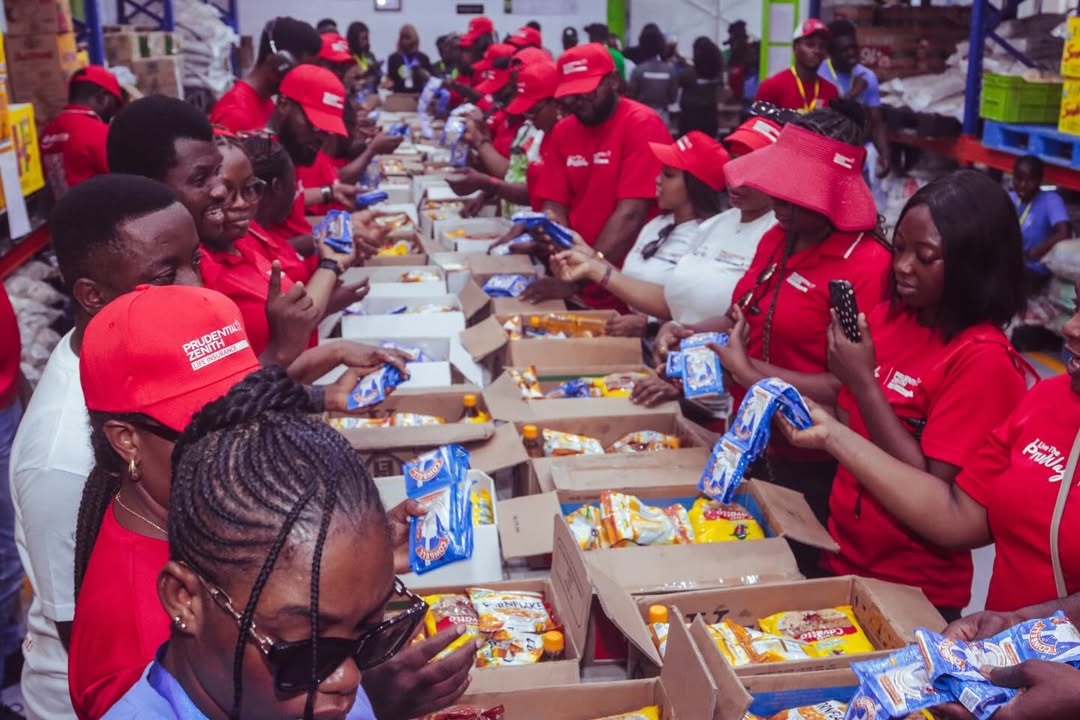
Response: Partnerships have remained a major driving force behind the success and sustainability of our interventions. The reality is that the scale of hunger and malnutrition we see in vulnerable communities cannot be addressed by one organization alone. Corporate organizations, foundations, individual donors, and volunteers have all played a critical role in helping us expand our reach and sustain impact over the years. One example is a strategic CSR partnership where the partner adopted two underserved communities through our Temporary Food Assistance Program (TEFAP) and Family Farming Program for six months. Through this partnership, targeted families received consistent food assistance, while women were trained and empowered to establish backyard poultry farms within their homes. This intervention went beyond short-term relief. Families not only gained improved access to nutritious food, but were also equipped with practical skills and sustainable livelihood opportunities that strengthened household resilience. Over time, beneficiaries were able to generate additional income from their poultry farms, improving both nutrition and economic stability within their communities.
Question: What would you say to organizations considering CSR in the fight against hunger?
Response: I would encourage organizations to see CSR in the fight against hunger not just as charity, but as an opportunity to create meaningful and lasting impact in the lives of vulnerable people and communities. Hunger affects health, education, productivity, and overall community wellbeing, so supporting food and nutrition interventions directly contributes to building stronger and more resilient societies. Organizations have the ability to make a real difference through financial support, product donations, employee volunteer engagement and long-term partnerships. Even a single intervention can change the trajectory of a family struggling with food insecurity. One important lesson we have seen over the years is that sustainable impact happens when CSR goes beyond one-off donations and focuses on consistent, community-driven solutions. When organizations partner intentionally with trusted local initiatives, they are able to see tangible outcomes, children eating nutritious meals, women becoming self-reliant, families regaining stability, and communities feeling supported rather than forgotten. We also encourage organizations to involve their employees in volunteer activities because it creates a deeper human connection to the cause. Many volunteers leave our outreaches with a greater understanding of the realities vulnerable communities face and a stronger sense of shared responsibility.
Question: With rising food prices and economic pressures, how has the demand for your services changed?
Response: With rising food prices and increasing economic pressures, the demand for our services has grown significantly over the past few years. We are seeing more families struggling to afford basic meals, and many households that were once relatively stable are now seeking support for the first time. The economic situation has especially affected vulnerable groups such as low-income families, pregnant women, children, widows, informal workers, and elderly individuals who already faced challenges accessing nutritious food. In many communities, families are being forced to reduce meal portions, skip meals entirely, or rely on less nutritious food options just to survive. As a result, we have experienced increased requests for food assistance, nutrition support, school feeding interventions, and livelihood empowerment programs. During outreaches, the number of people seeking help often exceeds the resources available at that moment, which highlights how urgent and widespread the need has become. At the same time, the rising cost of food and logistics has also increased the operational pressure on organizations like ours. This is why partnerships and community support have become even more critical in helping us continue to serve vulnerable populations effectively. Despite these challenges, we remain committed to expanding sustainable interventions that not only provide immediate relief, but also help families build long-term resilience against food insecurity.
Question: What innovations or strategies are you exploring to reach even more vulnerable populations?
Response: We are continuously exploring innovative and sustainable approaches to expand our reach and improve food access for vulnerable populations. One of our major strategies is moving beyond short-term food relief by investing in solutions that strengthen long-term household and community resilience. We are building stronger strategic partnerships with the private sector, grassroots organizations, and credible NGOs through our Food Bank Network Nigeria (FBNN). Through this network, we are able to support and collaborate with organizations within and outside Lagos to strengthen food security interventions and extend support to harder-to-reach communities. In addition, we recently launched our dedicated agricultural arm, Green Harvest Agri-Food Initiative, focused on promoting sustainable agriculture and food recovery solutions. The goal is to address hunger not only through emergency food assistance, but also by creating more sustainable food systems that empower communities, reduce post-harvest losses, and improve long-term food security.
Question: On this World Hunger Day, what message would you like to share with individuals, donors, and policymakers?
Response: On this World Hunger Day, I want to remind everyone that hunger is not just a statistic, it is a daily reality for millions of vulnerable families trying to survive under difficult economic conditions. Behind every number is a real person, a child going to school hungry, a mother skipping meals so her children can eat, or a family struggling to afford basic nutrition. Ending hunger requires collective action. It is not a responsibility that governments or nonprofits can carry alone. Individuals, donors, corporate organizations, volunteers, and policymakers all have an important role to play in creating lasting solutions. To our donors and partners, your support goes beyond food assistance, it restores hope, dignity, and stability to families who need it most. To policymakers, we need stronger investments in food and nutrition security, sustainable agriculture, and social protection systems that truly prioritize vulnerable populations. And to individuals, never underestimate the impact of compassion and action. Sometimes even the smallest support can completely change the direction of someone’s life. This World Hunger Day is a reminder that hunger is solvable when we work together intentionally and consistently to ensure that no one is left behind.