
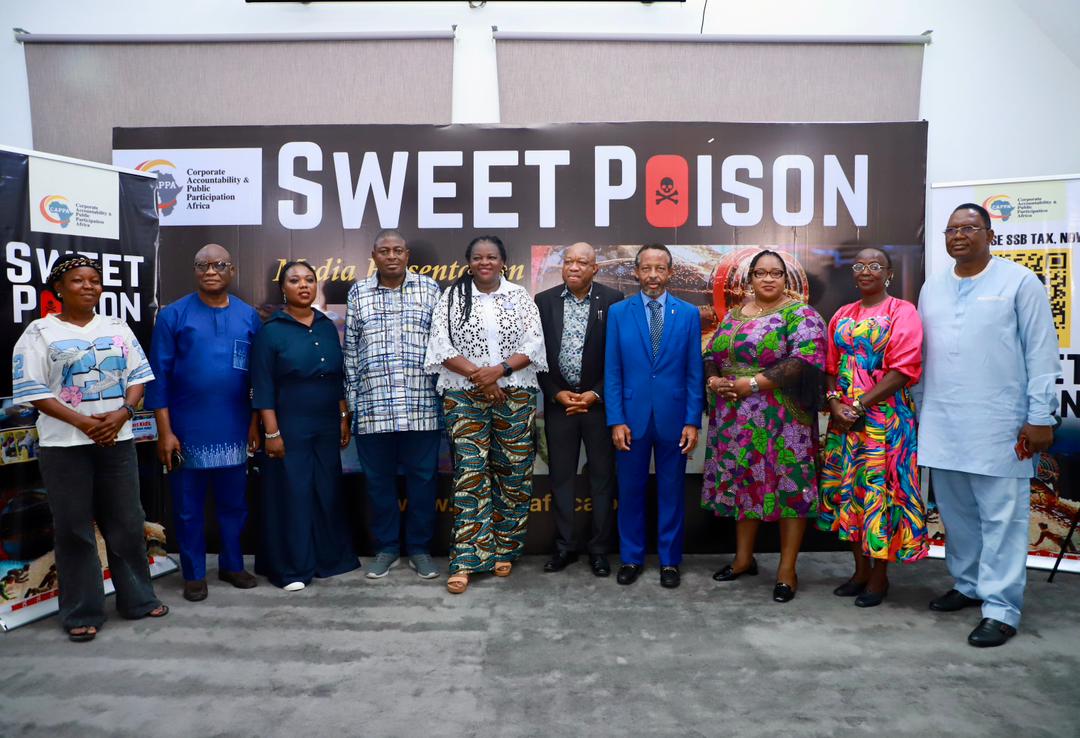
The Corporate Accountability and Public Participation Africa (CAPPA) has publicly presented its new documentary titled ‘Sweet Poison’, to expose the health and environmental hazards of excessive consumption of sugary drinks on Nigerians.
Produced by CAPPA with support from the Global Health Advocacy Incubator (GHAI), the documentary explores the ignorance among SSB consumers, growing burden of diet-related diseases, concerns around industry practices, gaps in public awareness, and the urgent need for stronger policy measures to protect public health in Nigeria.
While delivering his welcome speech at the media presentation of ‘Sweet Poison’, Akinbode Oluwafemi, the Executive Director of CAPPA, said sugary drinks have become deeply woven into everyday life across Nigeria, especially in schools, homes, markets, offices, and social gatherings.
Oluwafemi noted that “through aggressive advertising, strategic sponsorships, celebrity endorsements, and relentless market penetration, ultra-processed food and beverage corporations have successfully normalised products that are contributing to a growing public health crisis.”
According to Oluwafemi, many Nigerians do not realise the immense dangers of the excessive consumption of sugar-sweetened beverages.
“Behind the bright labels, catchy jingles and colourful campaigns that the sugary drinks industry deploys to hook Nigerians to these unhealthy products, lies a disturbing reality.
“Our country is witnessing a steady rise in non-communicable diseases, including Type 2 diabetes, hypertension, obesity, stroke, kidney disease and cardiovascular complications. Increasingly, these illnesses are affecting younger populations and placing enormous pressure on families and an already overstretched health system,” Oluwafemi added.
In his remarks, Adeolu Adebiyi, the Regional Senior Advisor for the Food Policy Program in Africa, GHAI, explained that the growing burden of Non-Communicable Diseases (NCDs), especially among adolescents and youths, has become a major concern that should be addressed.
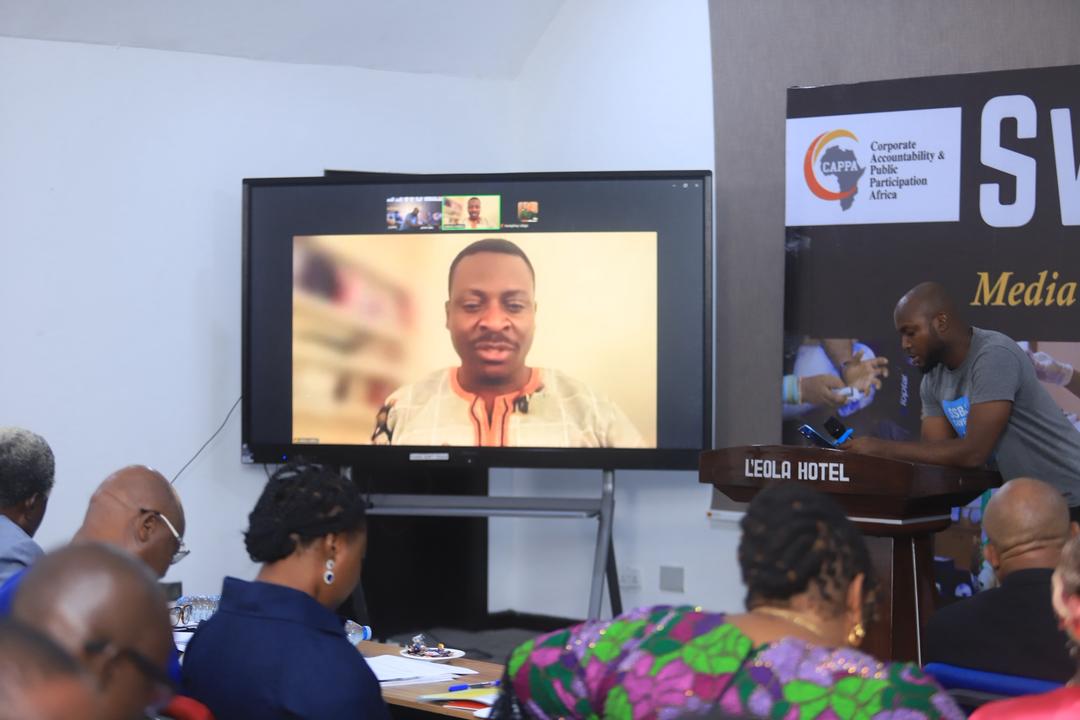
Adebiyi decried how food and beverage companies “leverage advertisements to shape what we eat and we are consistently seeing how they are prioritising profit over public health.”
He further noted that the overconsumption of SSBs is causing a lot of harm, and the government has a role to play by regulating the sales and marketing of these commodities.
This, he said, is essential so that the public is better informed, rather than relying on the advertisements placed by the food and beverage companies.
He thereafter called for collaboration among all stakeholders “to ensure the government puts public health above commercial interests.”
Dr Lesley Adogame, the CEO of Stradev Nigeria, who commended CAPPA for producing the documentary, said the documentary provided a clear perception of the implications of sugary drinks, beyond bulky research and huge data.
“We have always thought about how to communicate public health issues beyond research and data that people find difficult to understand. This documentary gave a clear perception of what people think and how it impacts them,” he explained.
On his part, Prof Adelaja Odutola Odukoya, Dean, Faculty of Social Sciences, University of Lagos (UNILAG) said the issues raised in the documentary have shown that the underlying issue is a governance issue.
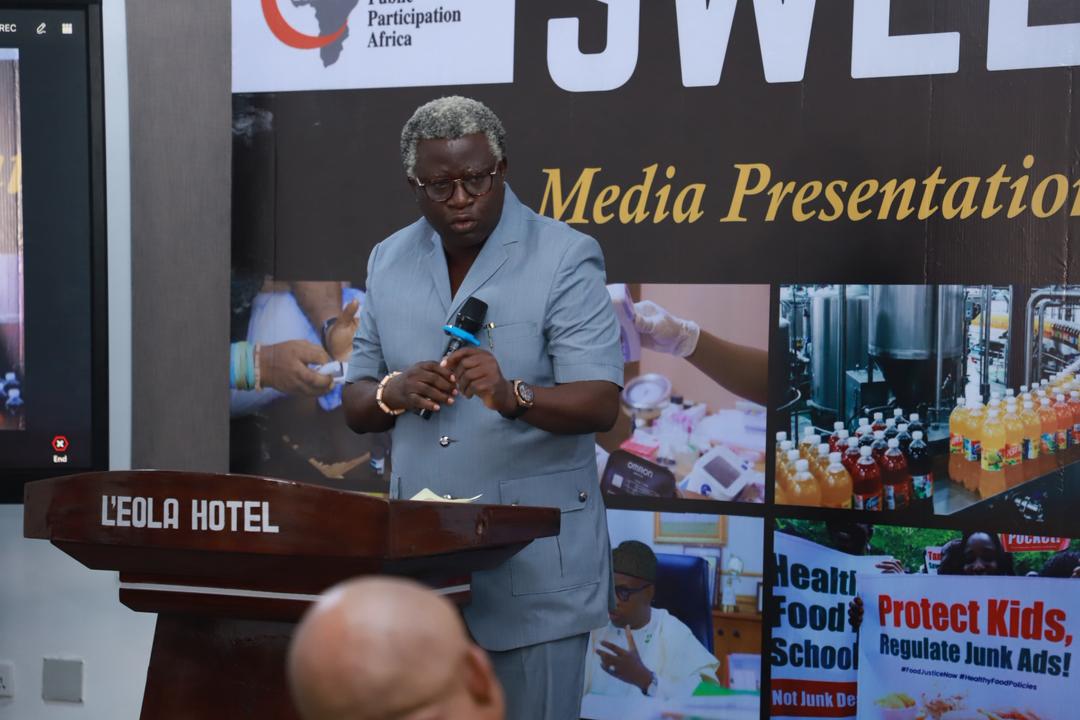
“It shows who determines what we eat, drink, and consume. It is a documentary about who exercises power, who profits from it and who faces the consequences,” the don added.
Other contributors at the screening were Dr. Saheed Balogun, Lagos Chairman, Nigeria Medical Association; Mrs Ronke Obaleye, Diabetes lived experience expert; Ms. Osarenkhoe Chima-Nwogwugwu, Founder of the Diabetes & Limb Salvage Foundation (DLSF); and Sam Eferaro, publisher of Nigeria Health Online (NHO), among others.