

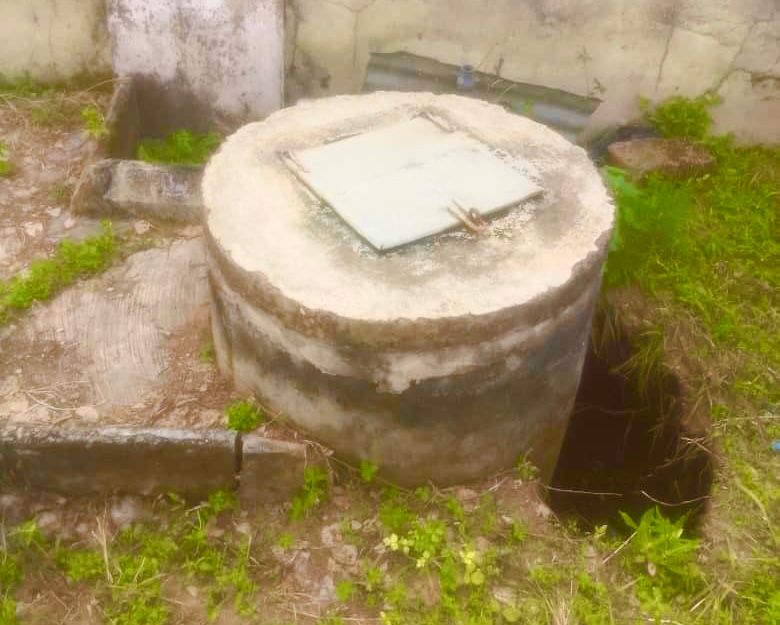
Over 90 percent of Nigerians lack access to complete basic water, sanitation, and hygiene services. This gets worse in Primary Health Centres (PHCs) in rural Osun State, where health workers who are supposed to be at the frontline of healthcare operate without clean water. Nurses and patients are forced to rely on well water or other unhygienic sources of water for deliveries, sterilisation, and handwashing.
The 2021 Water, Sanitation, and Hygiene: National Outcome Routine Mapping (WASHNORM) report revealed that only 6% of health facilities have access to WASH services, indicating a significant neglect that significantly impacts the delivery of quality health services. This is the reality in some PHCs in Ife, Osun State, where clean water has become a luxury. The situation is worsened by dilapidated infrastructure, inadequate health workers, erratic or total lack of power supply, and the absence of clean toilets.
A visit to some of these PHCs revealed the sordid reality of dry taps and how facilities meant for health treatment are gradually becoming host to preventable infections, patient frustration, and operational paralysis due to the absence of clean water.
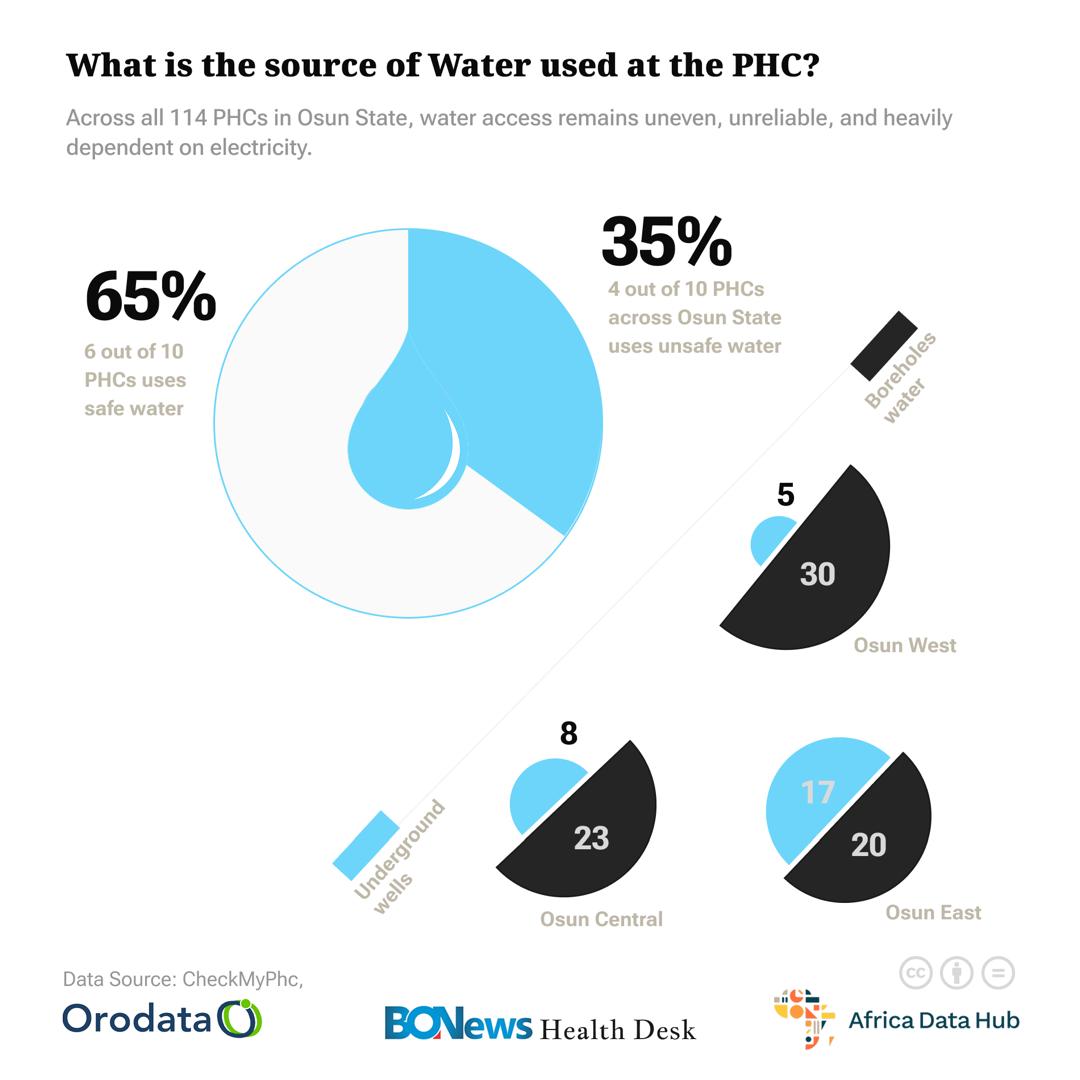
Data from CheckMyPHC.org, a digital platform designed to empower citizens, journalists, and policymakers with critical information about the state of PHC facilities across Nigeria, also corroborated the findings that many PHCs in Osun State don’t have clean water, working toilets, or basic hygiene supplies, making it hard for them to care for patients properly.
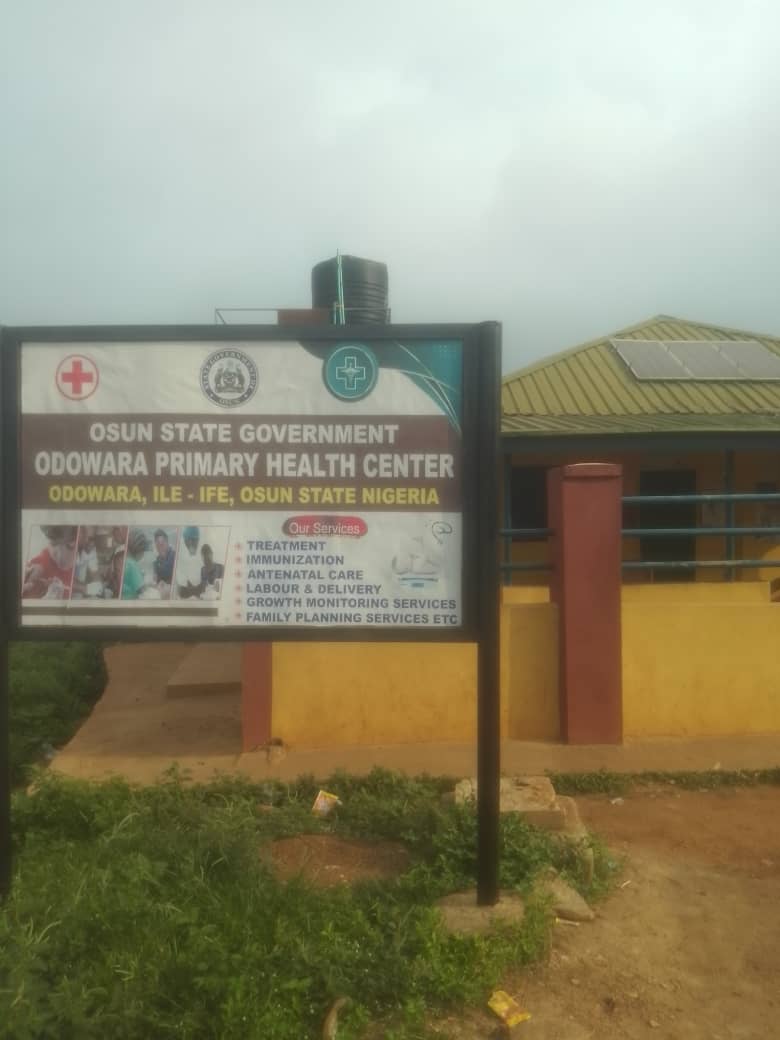
Odowara PHC, located in Odowara, a community in Ile-Ife, Osun State, is one of the health facilities that lack access to clean water. Approximately 32.4 km (20.1 mi) to the state capital, Osogbo, the PHC serves 10 communities with a population of over 20,000 people. CheckMyPHC records revealed that with one ward and four treatment beds, the facility has eight health workers.
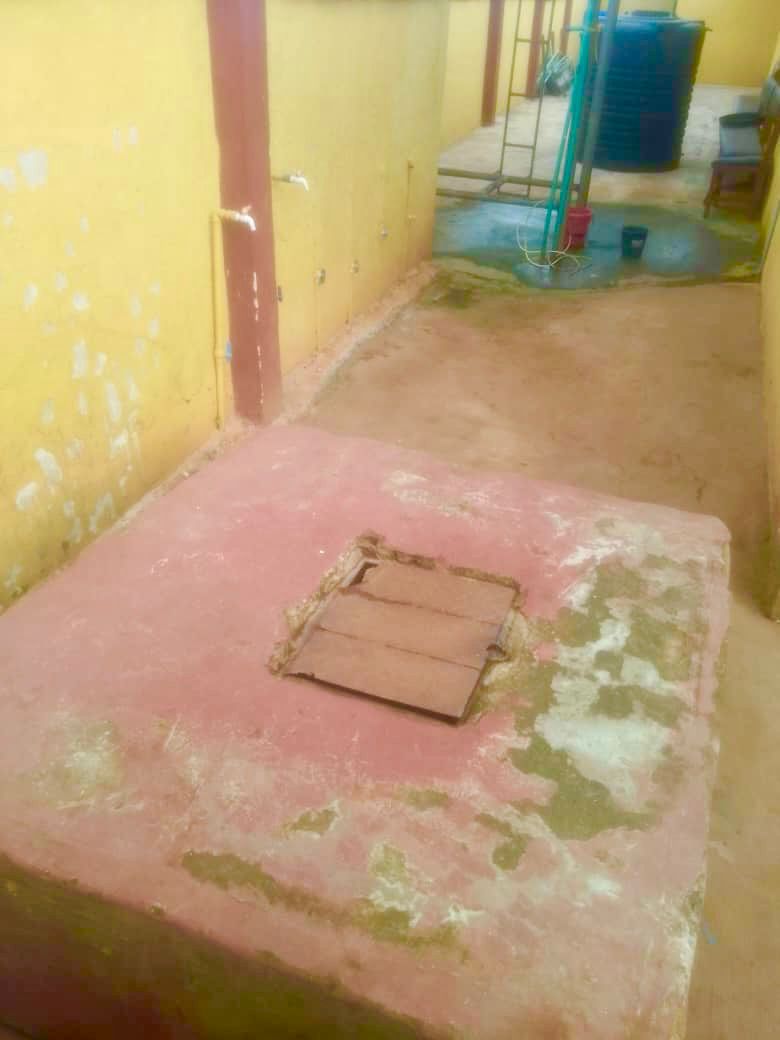
The PHC also lacks clean and portable water needed for the regular treatment of patients. The borehole within the facility is no longer functional, and health workers are forced to rely on water from a well for treatment, cleaning and sterilisation of equipment.
According to the U.S. Environmental Protection Agency, well water can be unsafe to use because it could get polluted by leaks from landfills, septic systems that are not working correctly, leaks from underground fuel tanks, fertilizers or pesticides, water runoff from cities or industrial buildings and high levels of naturally occurring chemicals, such as arsenic or radon, in the land around a well.
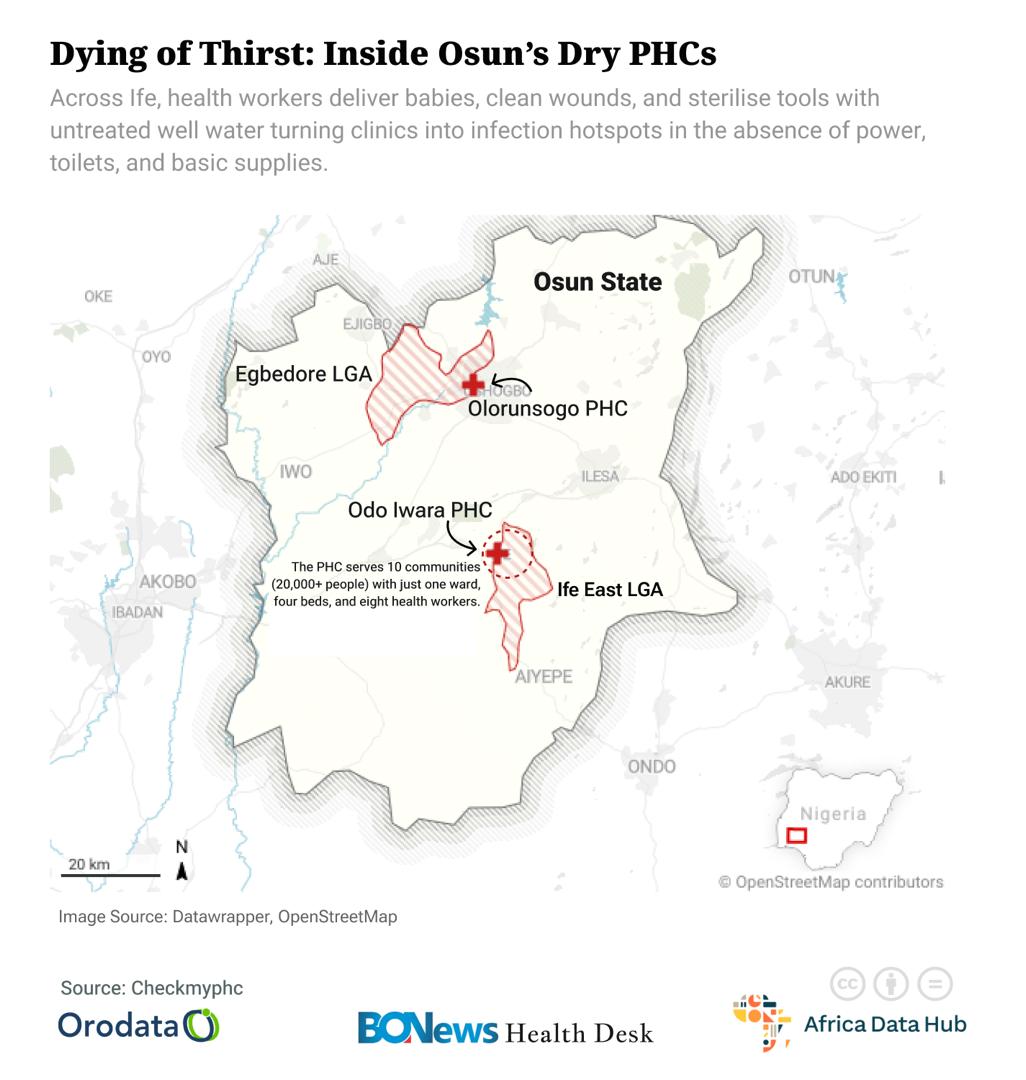
The situation is the same at Olorunsogo Primary Health Centre at Ogun Ofeke Community, Ife-East Area Office. The PHC, which appears to be structurally sound, according to CheckMyPHC data, has two treatment wards with a total of three beds. However, the facility, which serves over 5,000 persons, does not have sufficient health workers. Although six health workers were assigned to the PHC, only one nurse, assisted by a community extension health worker, is responsible for caring for patients admitted to the facility, with the doors shut every weekend.
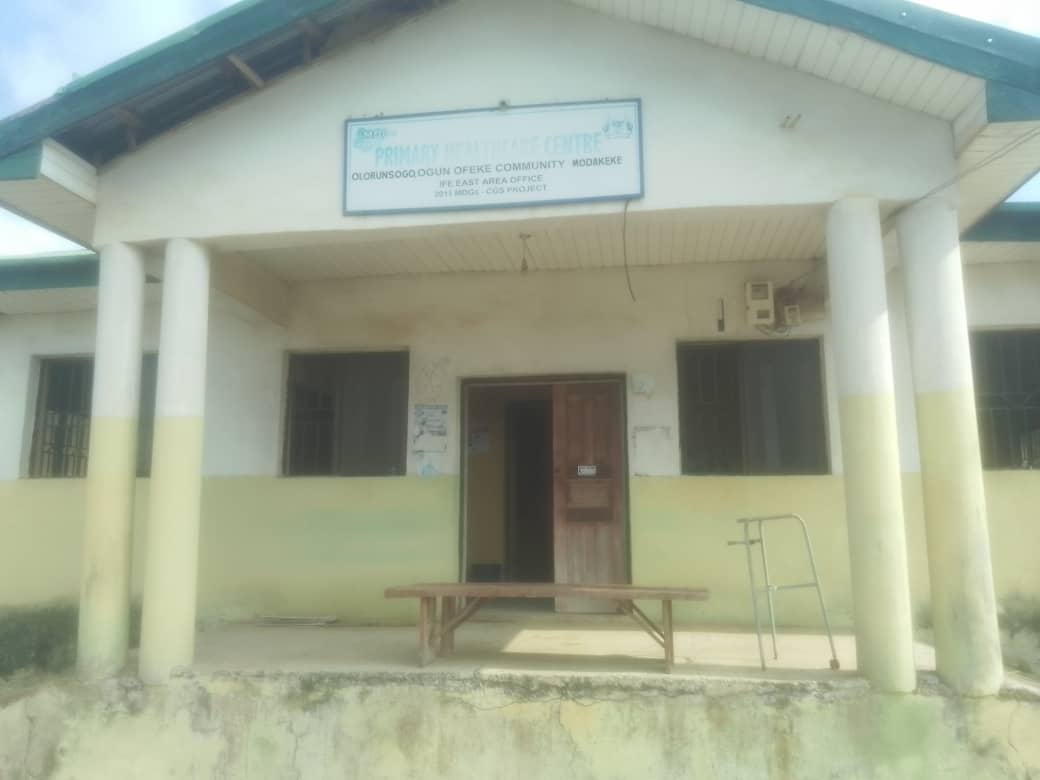
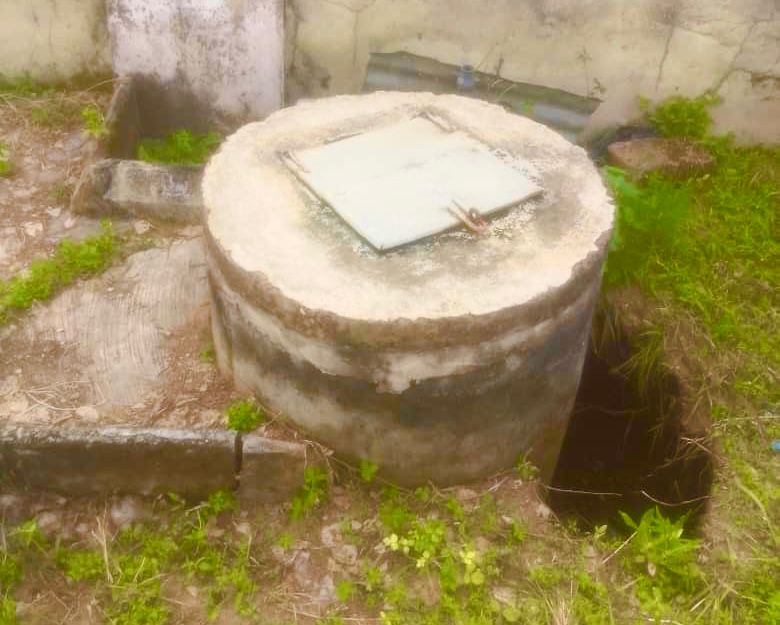
Compounding the worrying situation of the hospital, there is no improved source of water for running the facility, as patients and the health workers are forced to depend on an underground well outside the facility. The borehole within the facility is no longer functional and the well within the compound has been abandoned because it is often contaminated with silt, animal waste, and surface runoff. With no access to quality water, the facility risks being turned into a breeding ground for cholera and other deadly infections.
Some patients lamented the lack of water at the facility. “The government gave the hospital a pumping machine but it is not working and the well is not even good, so we have to go trek to other places to get water to use. The assistants at the health centre also help to fetch water from other compounds,” said a patient who wishes to remain anonymous.
Famia Primary Health Centre is a story of quiet neglect and daily struggle, as health workers expressed deep frustration and helplessness over the dire situations at the facility. Located in Ife North, the health centre is meant to serve four communities in the LGA. However, the facility, according to CheckMyPHC, operates with just one nurse and two community health extension workers. The facility has just two wards, each with two beds, designated for delivery and emergencies.
According to Eyemark, a website that publishes and tracks projects by the Nigerian government, states, and sectors, a total of N50 million was appropriated in 2021 for the construction of Famia PHC. With a project code of ERGP554002966A, under the Federal Ministry of Health and Social Welfare, the construction was domiciled in the National Primary Health Care Development Agency (NPHCDA).
Like other ill-fated facilities, Famia PHC operates without water, with over 3,000 patients relying on unsafe water from an underground well for treatment. The health workers in the facility revealed that they are not satisfied with the current state of affairs at the PHC, which is compounded by endless promises and abandoned projects.
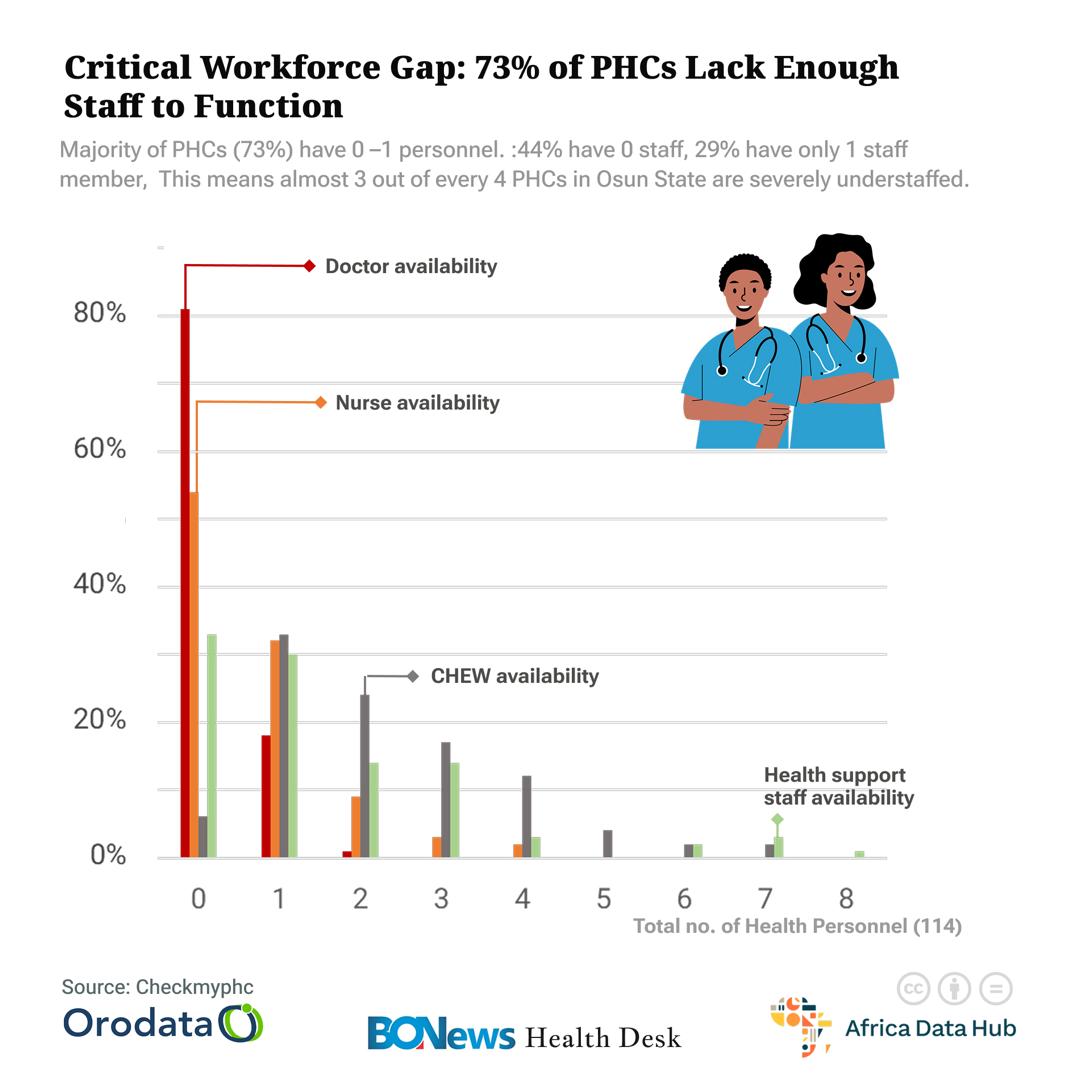
At Akinlalu Primary Health Centre, situated along the Akinlalu-Asipa road leading to the Ibadan-Ife expressway, the facility tells a story of a neglected structure that has been serving over 3,600 people. With only two beds in the two wards, the delivery bed is the only thing still standing in the delivery room. Although the metal frame has rusted, it remains the sole surface where mothers give birth, often without water and proper lighting. The facility has just one nurse attending to people who are being assisted by two community health workers, CheckMyPHC data shows.
Akinlalu PHC lacks access to quality water and relies entirely on untreated underground well water. This water is often not treated and purified, putting patients at high risk of cholera, typhoid, dysentery, and wound infections every time it is used for drinking, cleaning wounds, or washing delivery tools.
Across the four facilities, Odo Iwara, Olorunsogo, Famia, and Akinlalu, the healthcare system is plagued by other significant issues, including unstable electricity, inadequate refuse disposal systems, a lack of medical supplies, broken beds, and insufficient staff.
The hospitals lack oxygen gas, lack ambulances and dispose of their waste through open burning, leading to thick smoke drifting into wards, with sick patients inhaling the dust, and spreading infections from used needles and bloody bandages. This reflects the daily reality in Osun’s broken PHCs, where no water, no light, and no drugs mean no real care.
Lack of Access to Quality Water in PHCs Can Ultimately Lead to Death, Health Expert Says
The absence of reliable clean water in PHCs is a silent but deadly threat, public health expert, Olubukola Olumuyiwa has warned.
She gave the warning while reacting to the absence of quality water at some primary health centres in Osun State, a sitaution she described as worrying.
“Clean water is a fundamental amenity everywhere, but it is absolutely critical in hospitals and Primary Health Centres (PHCs).
“Sterility and a clean environment are essential to avoid compromising the quality of care, especially when it comes to infection prevention,” Olumuyiwa said.
According to Olumuyiwa, the continued reliance on well water in many PHCs poses a serious health risk. “Well water is an exposed source, easily contaminated by dirt and microorganisms. It is not sterile and cannot be safely used in a health facility without proper treatment.”
She warned that the use of these untreated water can directly expose patients to infections.
“The infections that can arise from poor-quality water range from diarrhoea and cholera to sepsis. These are treatable, but when left unchecked they can escalate to long-term complications like infertility or even result in death. These outcomes are entirely preventable if clean, safe water is available in our PHCs,” she said.
Olumuyiwa emphasised that access to potable water should not be optional but a core requirement in every healthcare facility, urging the government to immediately remedy the situation and provide quality and potable water to all health facilities across the country.
This story was produced by the BONews Health Desk, supported by the Africa Data Hub and Orodata Science.