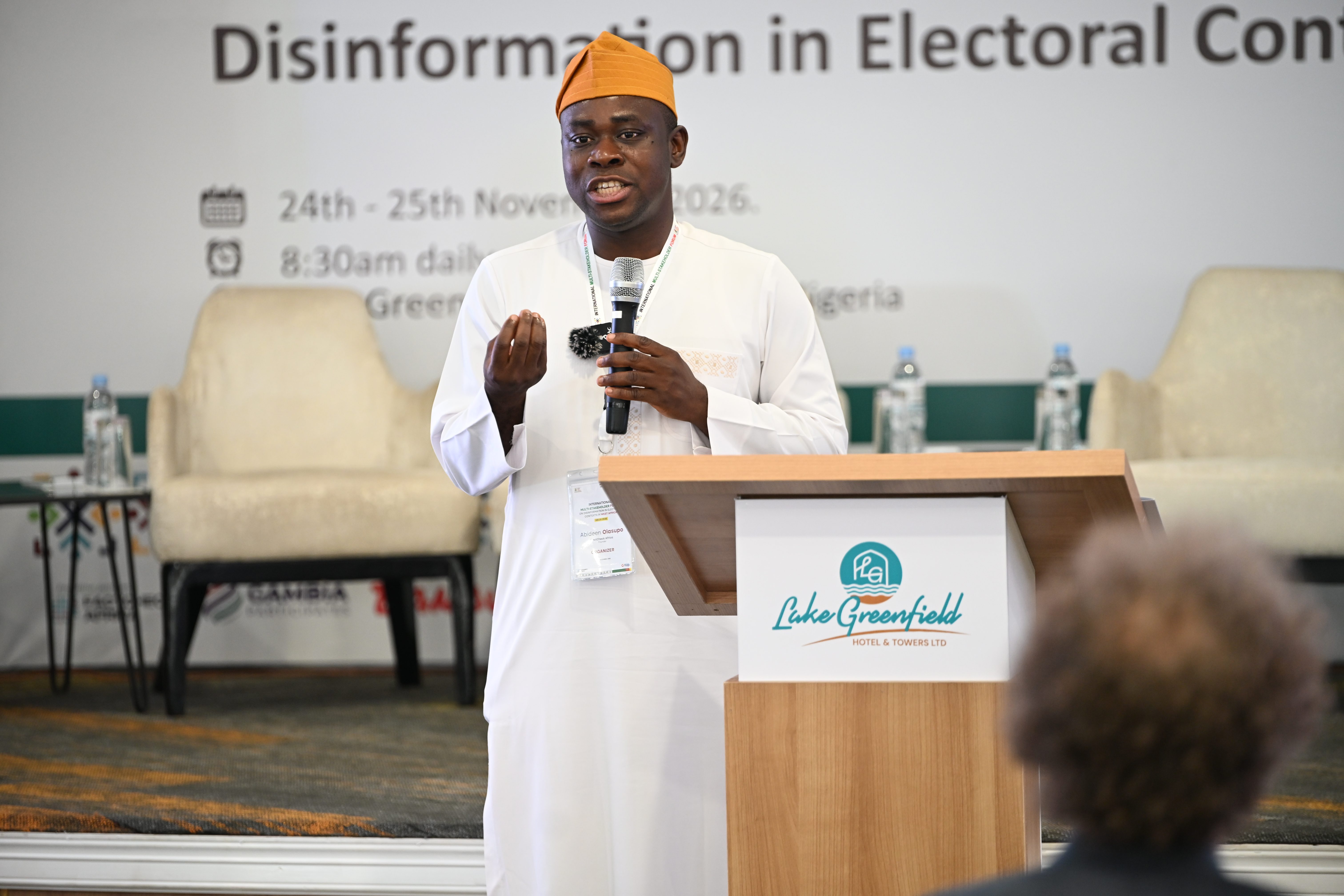

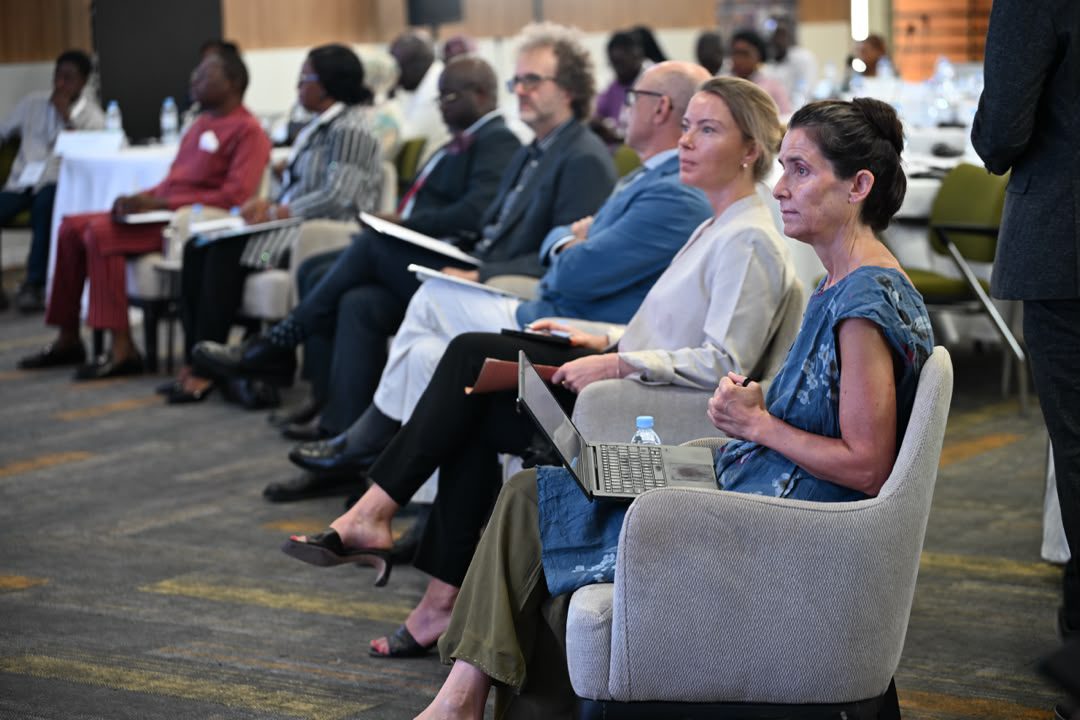
As Nigerians prepare for the 2027 general elections, diplomatic representatives, regional stakeholders, and media actors have called for responsible information sharing to combat disinformation and protect electoral integrity.
The call was made at the opening of a two-day International Multi-Stakeholder Forum on Disinformation in Electoral Contexts in West Africa organised by the Fundación para la Internacionalización de las Administraciones Públicas (FIAP) in collaboration with FactCheck Africa.
In his goodwill message, Mr Massimo De Luca, Head of Cooperation, European Union Delegation to Nigeria and ECOWAS, who emphasised the importance of protecting journalists and promoting responsible information sharing, noted that verifying information before publishing or sharing it is essential in addressing disinformation.
“Disinformation is very dangerous,” De Luca said.
He further stressed the need for individuals to demonstrate mutual concern and responsibility in their engagements, warning that disinformation poses a serious threat to society.
Also, Mrs Jella-Charlotte Lamken, Head of Cooperation at the Embassy of the Federal Republic of Germany to ECOWAS, highlighted the importance of information integrity, particularly in preventing crises and strengthening regional cooperation.
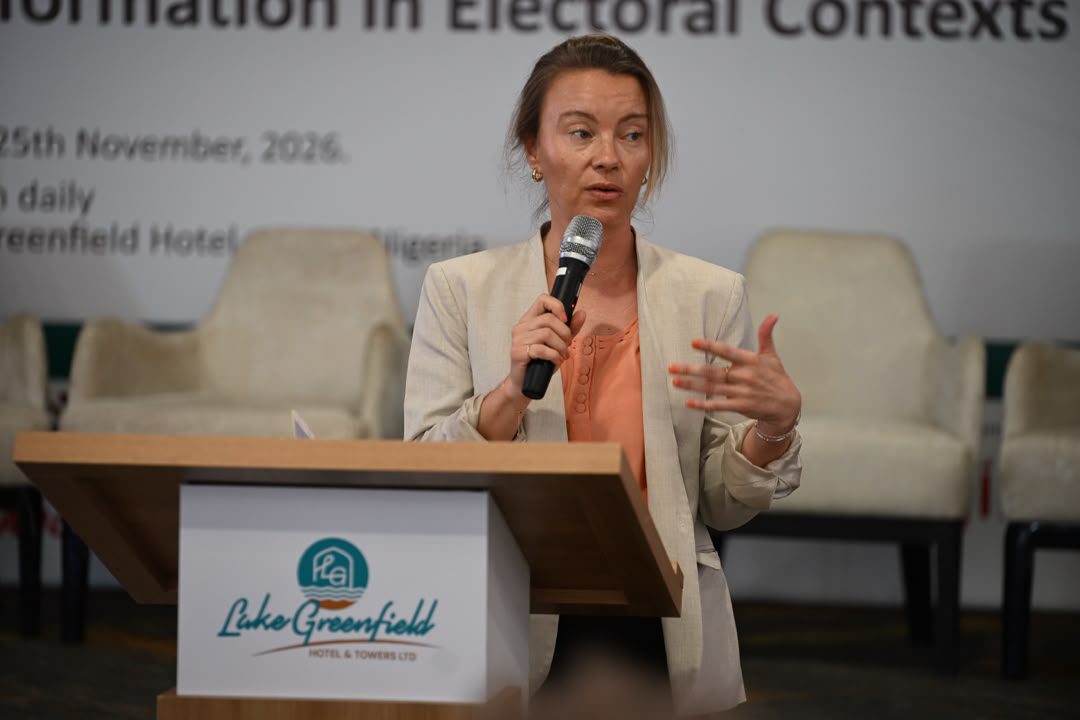
She said “protecting information ahead of the next election is important. The habits of verification, critical thinking and responsible sharing will matter more, not less, as elections draw closer.”
She further reaffirmed Germany’s commitment, through EPSG and its broader partnership with ECOWAS and other stakeholders, to supporting efforts towards building a more resilient, informed and peaceful democratic future for the West African region.
Similarly, Mrs Julie Resenkilde Hannibal, Deputy Head of Mission, Embassy of Denmark, emphasised that free and informed public conversations are fundamental to democracy, noting that elections can only function effectively when citizens have confidence in the information they read, hear and share.
She identified artificial intelligence, disinformation and hate speech as growing threats to public trust and democratic processes, stressing that “these challenges do not respect national borders, making regional cooperation essential in addressing them.”
In her keynote address, Dr Sharon Omotoso, Director, International Media and Information Literacy Institute, noted that young people are often targets of political memes, manipulation and trend hijacking.
Omotoso, who shared that young people are frequently criticised rather than meaningfully included in political processes and discussions, stressed the need to recognise young people as important stakeholders in democratic participation and strengthen their capacity to identify and respond to manipulative information.
Discussions highlighted the importance of protecting journalists, promoting media and information literacy, verifying information before sharing, strengthening youth participation and encouraging regional collaboration in addressing information disorder.
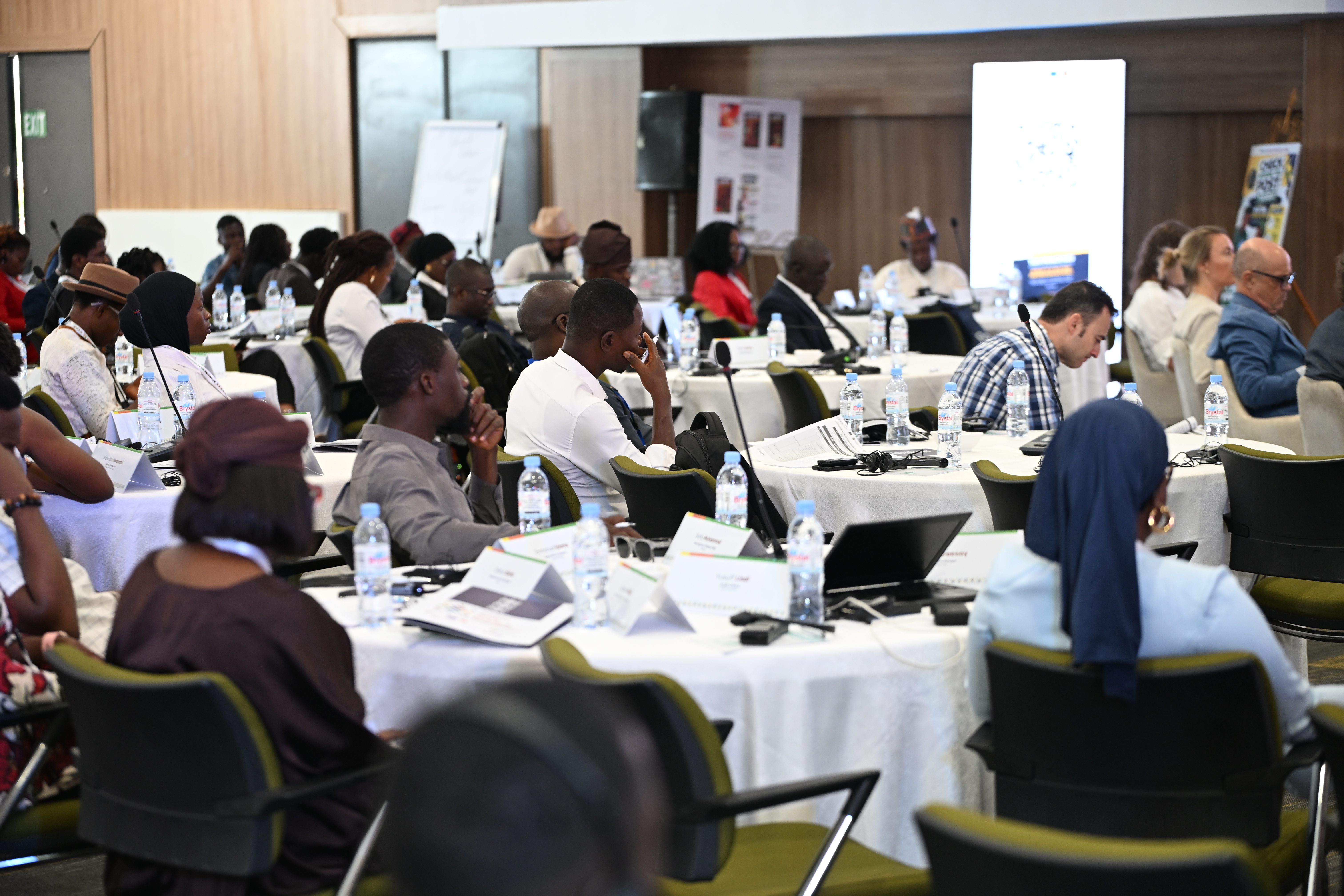
Participants at the forum, drawn from civil society and fact-checking networks, media organisations, electoral management bodies, technology platforms, academia and international partners, developed a Regional Action Plan to counter election-related disinformation in West Africa.