

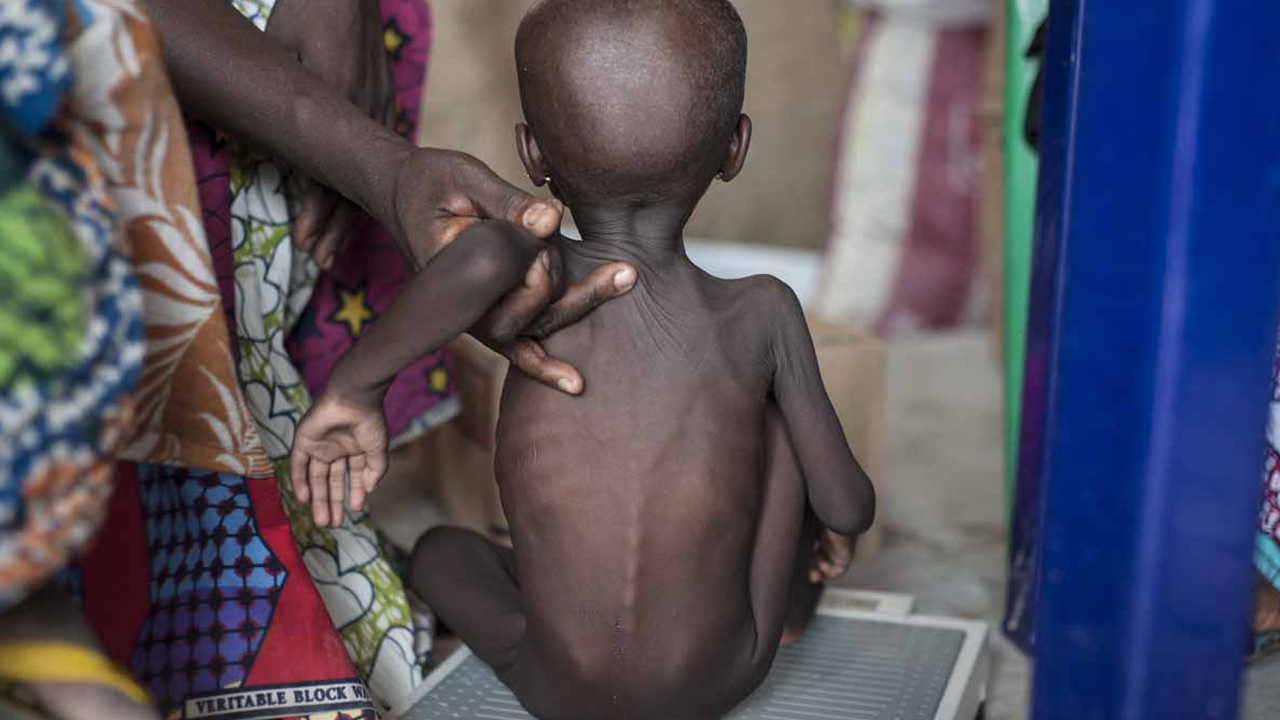
A silent but devastating crisis is unfolding in northern Nigeria as malnutrition reaches alarming levels, with Katsina State at the epicenter.
Doctors Without Borders/Médecins Sans Frontières (MSF) raised urgent concerns over the dramatic increase in the number of children suffering from severe acute malnutrition, many arriving at health facilities in life-threatening conditions.
Since the start of 2025, MSF teams in Katsina alone have treated nearly 70,000 malnourished children, almost 10,000 of whom required hospitalization.
This marks an increase of approximately one-third compared to the same period in 2024. Most alarming is the sharp rise in children with nutritional edema, a severe and often fatal form of malnutrition. In just six months, the number of these cases has tripled.
Tragically, 652 children have died in MSF-run facilities in Katsina so far this year due to delayed access to care.
“We are witnessing a public health emergency of massive proportions,” said Ahmed Aldikhari, MSF’s country representative in Nigeria. “The scale of need has outpaced all predictions, and now we’re seeing the most vulnerable children and even mothers slip through the cracks.”
The burden is now spreading beyond children. A July 2025 screening by MSF found that over half of 750 mothers of malnourished children were themselves acutely malnourished, 13% suffering from severe acute malnutrition.
MSF noted that the roots of the crisis are complex and interconnected. Widespread poverty, rising food prices, armed conflict, and disease outbreaks exacerbated by low vaccination rates and fragile health systems have combined to push thousands into hunger and illness. And as global aid shrinks, the suffering deepens.
A recent food security survey in Kaita LGA, Katsina, revealed that over 90% of households had reduced their daily meals before the 2025 lean season began.
To meet the rising demand, MSF is expanding its presence in affected areas. In Katsina, new inpatient and mobile feeding centers have been launched, including a 900-bed expansion across two hospitals. An emergency nutritional supplement distribution targeting 66,000 children is underway in Mashi.
Despite these efforts, the need far outweighs the available resources. Last week, the World Food Program announced it would suspend emergency food and nutrition aid for 1.3 million people in northeast Nigeria due to funding shortfalls.
“Food is the most urgent need,” said Emmanuel Berbain, MSF nutrition advisor. “Families must have immediate access, whether through food distribution, supplements, or cash support. Without it, more children will die.”
On July 8, Nigeria’s Vice President Kashim Shettima declared malnutrition a national emergency, warning that nearly 40% of children under five are being robbed of their full potential due to undernutrition.
In response, MSF continues to provide nutritional care across seven northern states: Borno, Bauchi, Katsina, Kano, Sokoto, Zamfara, and Kebbi. Between January and June 2025, the organization has treated almost 100,000 children in outpatient programs and hospitalized 25,000 more across the northwest.
Yet MSF warns that it cannot replace cut aid programs, and malnutrition is not just a humanitarian crisis, it is a national and moral emergency demanding urgent, collective action