
The Civil Society Action Coalition on Education for All (CSACEFA), Oyo State Chapter, has said that Oyo State requires over N6 billion to tackle the persistent challenges confronting basic education in the state.
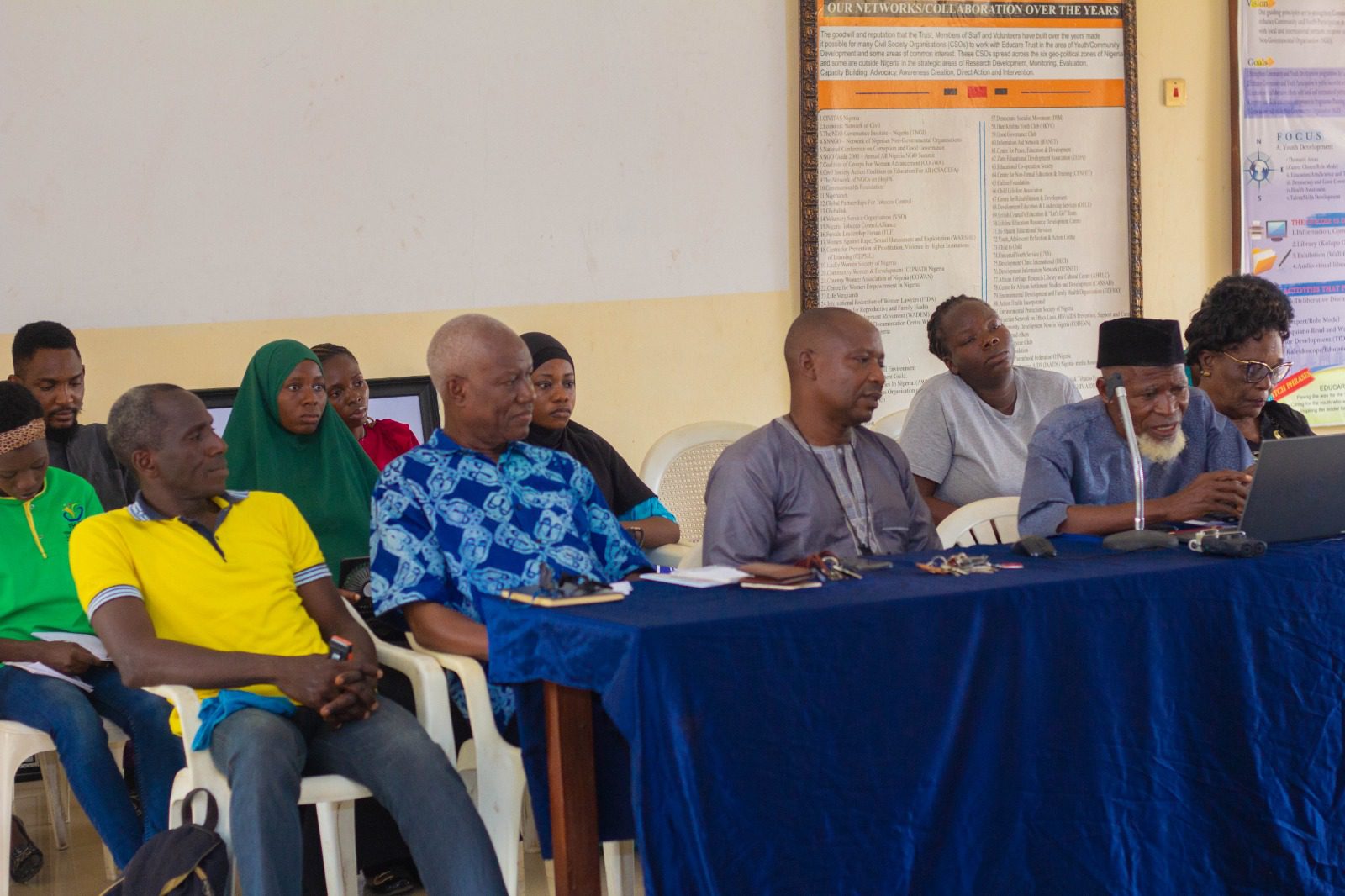
This was disclosed in a position paper jointly issued by CSACEFA and Educare Trust, and delivered at a media chat on the state of basic education in Oyo State.
According to the coalition, the Oyo State Government has already paid its counterpart funding to access the 2024 Universal Basic Education Commission (UBEC) grants, amounting to over N3.5 billion. With the matching grant from UBEC, the total funds available to the state for basic education interventions are expected to exceed N6 billion.
Mr Folorunsho Moshood, Programme Director, Educare Trust and Coordinator, CSACEFA Care Taker Committee, in his speech noted that the fund presents a critical opportunity for the government to address pressing infrastructural and systemic gaps in the education sector.
“Oyo State would have over N6 billion to attend to the yearning needs of basic education in the State,” Moshood said.
Despite recording progress in access to education, CSACEFA observed that the state continues to grapple with significant challenges, including inadequate infrastructure, high numbers of out-of-school children, and poor learning conditions.
Citing the 2022/2023 Annual School Census report, the coalition stated that Oyo has over 2,503 public primary schools and 602 public junior secondary schools, alongside thousands of private institutions. However, many public schools lack basic amenities such as functional classrooms, toilets, libraries, and digital learning tools.
The report revealed that only about 2.1 percent of public schools in the state have access to computers and internet facilities, limiting opportunities for digital learning.
CSACEFA also raised concerns about the high rate of out-of-school children in the state. According to available data, about 20.1 percent of children aged 3–17 are out of school, translating to over 670,000 children — the highest in Southwest Nigeria.
The coalition attributed this to poverty, distance to schools, hidden costs, and low interest in formal education, particularly in rural areas.
While acknowledging recent efforts by the state government, including classroom renovations, teacher recruitment, and the introduction of digital learning initiatives, the group stressed that more strategic investment is required.
It also highlighted the shortage of special education facilities and trained personnel for children with disabilities, noting that only 37 special needs schools currently serve over 3,000 learners with special needs.
Folorunsho said, “the number of PWDs in primary and secondary schools in Oyo State is approximately 3,139 learners. The State has 37 special needs schools. Teacher distribution remains uneven, with rural schools often underserved – qualified teachers do not want to be deployed or posted to rural areas.:
The coalition further called for stronger collaboration between government, communities, and development partners to address the root causes of educational exclusion.