

The Lionheart Ability Leaders International Foundation has revealed that only four out of 96 deafblind persons documented in Nigeria are employed, while just ten have access to education.
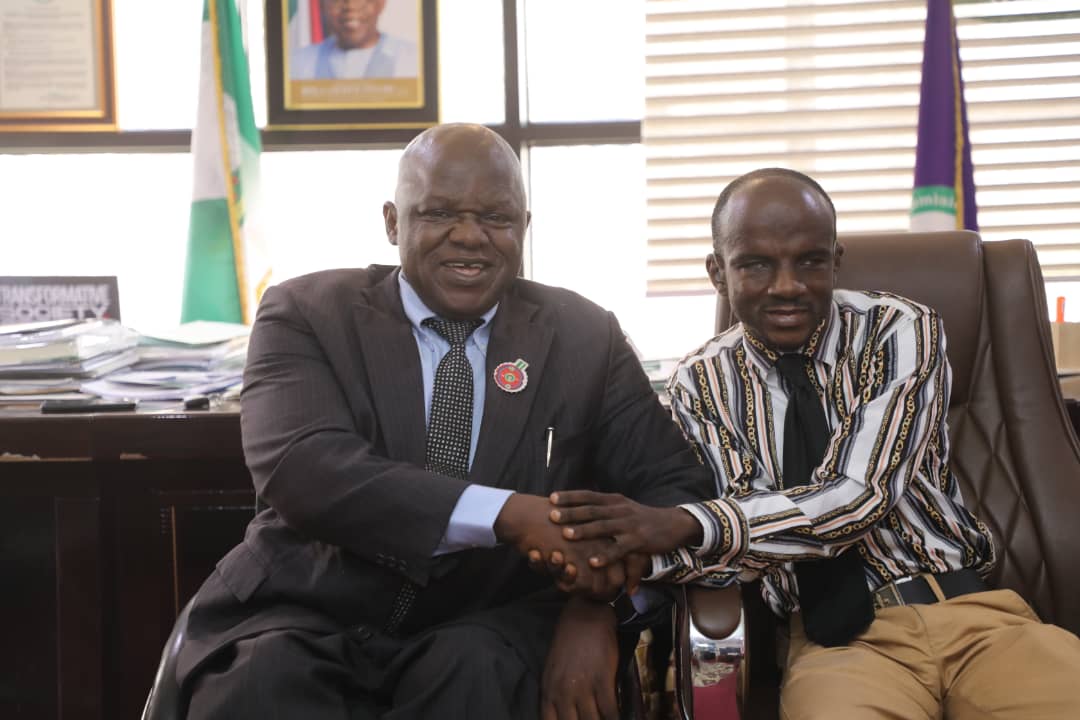
The foundation disclosed this during a courtesy visit to the National Commission for Persons with Disabilities headquarters in Abuja, where it advocated for recognition and inclusion of the deafblind community into the disability community.
Mr. Okelola Solomon, who led the delegation, said the majority of deafblind persons identified by the foundation have no educational access, with many hidden by their families due to stigma and lack of understanding.
The foundation, which has worked for over five years to identify, support, and unify deafblind persons in Nigeria, reported the loss of two members whose illnesses went unnoticed by relatives due to communication barriers.
Solomon highlighted key areas where the commission’s intervention is urgently needed, including “bringing deafblind persons together for rehabilitation, ensuring their official recognition and representation within the disability community, and expanding access to education and accessible environments”.
He also called for a review of the Discrimination Against Persons with Disabilities (Prohibition) Act to include clear recognition of persons who are deafblind.
The Executive Secretary of NCPWD commended the foundation for its dedication to identifying and supporting deafblind persons.
He assured them of the commission’s readiness to work closely with the group, saying, “the number one goal of the commission is to include all disability clusters, ensuring that no one is left behind”.
The executive secretary emphasized the commission’s ongoing efforts to develop a comprehensive national disability database noting that it will “increase access to assistive support, and strengthen interventions that will meet the needs of every person with a disability across the country”.
He commended the deafblind community for their resilience and reaffirmed that there is indeed ability in disability.
The deafblind community represents one of the most marginalized groups within the disability sector globally, often facing compounded barriers to education, employment, healthcare, and social inclusion.