

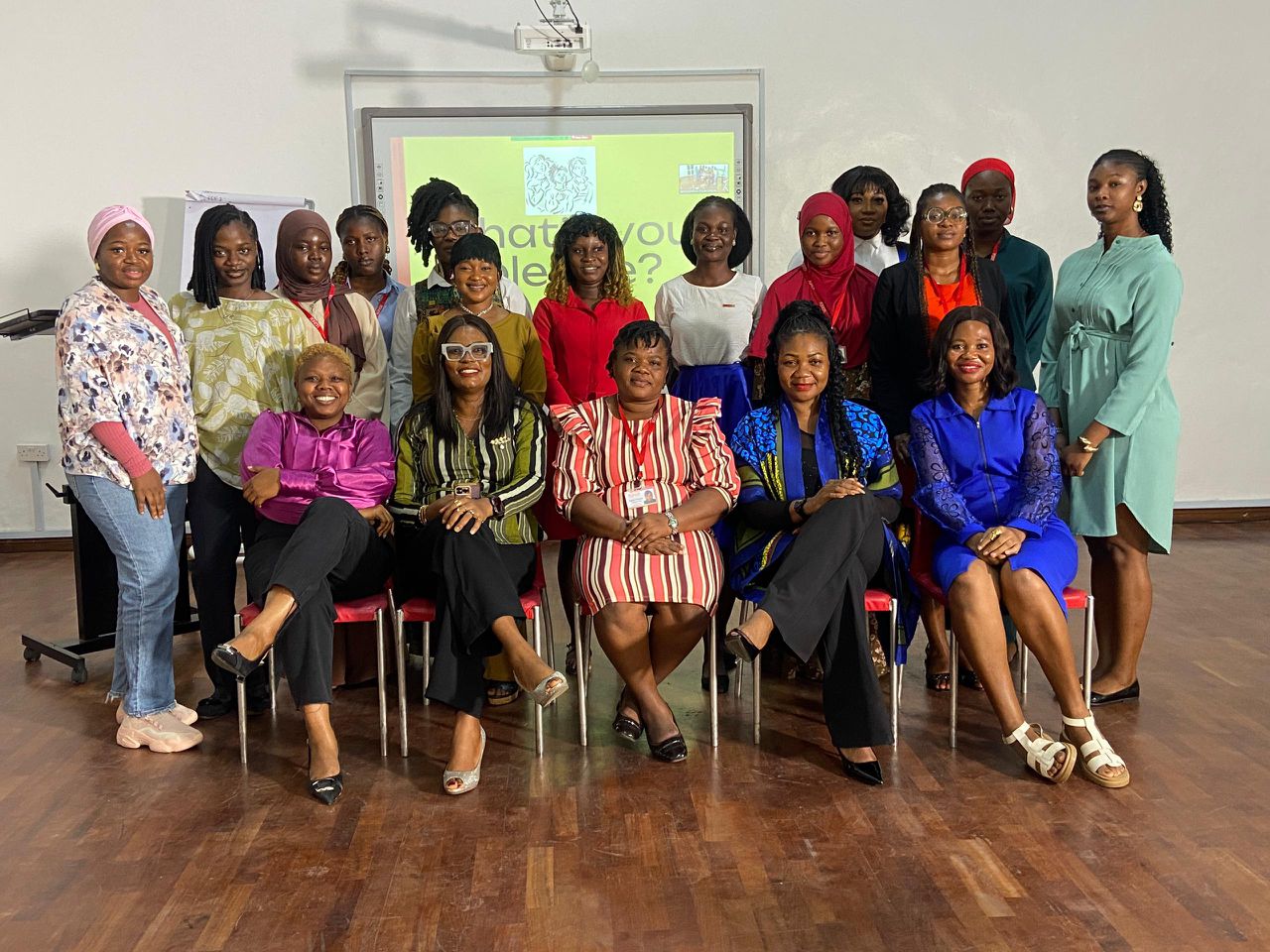
Twelve young female journalists from PUNCH Newspaper underwent training on gender-sensitive reporting and newsroom leadership to improve their storytelling skills.
The training held on Thursday at the PUNCH Place in Ogun State was themed “Report Her Right: Ethical Gender Reporting Workshop for Young Female Journalists.”
The workshop focused on ethical storytelling, inclusive sourcing, and the importance of accurate representation of women in media reports.
Melony Ishola, Head of Programmes at PUNCH’s Video Unit and organiser of the workshop, stressed the need for proper representation of women in news content.
Ishola, who is a 2025 Fellow of the Female Reporters Leadership Programme, said journalists must avoid portraying women’s stories through limiting perspectives.
“We cannot frame women’s stories through reductive lenses or subjective languages that stigmatise or objectify,” she said.
The Publisher of Security News Alert, Juliana Francis, urged the participants to be deliberate about inclusion in their reports.
Francis explained that fairness, accuracy and intentional inclusion help readers understand the full complexity of stories.
“A special report on politics, oil and gas, banking and finance without the voices of women reinforces the ancient belief that women are bimbos,” she warned.
She also advised journalists to avoid biased headlines that misrepresent or exclude women’s perspectives.
Deputy Editor of PUNCH Weekend Titles, Tessy Igomu, highlighted the media’s power to influence public perception and policy, noting that it can either strengthen or break down harmful stereotypes.
“Gender bias continues to distort storytelling and newsroom dynamics. When women and other underrepresented groups are sidelined or misrepresented, the media fails to reflect the societies it claims to serve,” Igomu said.
She referenced the Global Media Monitoring Project, which found that women make up only 24% of people heard, read about, or seen in print, radio, and television news worldwide.
Igomu urged participants to develop skills to identify gender bias in headlines and understand how story framing affects audience perception.
Sarah Ayeku, a broadcast journalist and Fellow of the Wole Soyinka Centre for Investigative Journalism’s Female Reporters Leadership Programme, emphasised the importance of diverse sources.
“Globally, only 24 per cent of subjects in news stories are women. In Nigeria, it’s even lower at 16 per cent,” Ayeku revealed.
She warned that excluding diverse voices in reporting leads to loss of credibility and trust, inaccurate and incomplete stories, and the reinforcement of stereotypes.
The Executive Director of Media Career Development Network, Mr Lekan Otufodunrin, urged the participants to develop clear career plans for better progression.
Otufodunrin also advised the participants to regularly audit their sources and prioritise women’s voices in their reports.
“As a journalist, audit your sources once in a while, this would ensure you factor in all sources and prioritise women’s voices,” he said.
One of the participants, Naomi Chima, expressed enthusiasm about the training’s impact on her work.
“My take-home is that as a woman, my voice can be heard,” Chima said, promising to be more gender sensitive in her reports.