
Women and girls in Nigeria could wait longer than their lifetime to see gender equality achieved, according to a press release issued by the global development organization, Sightsavers, ahead of International Women’s Day 2026.
The organization says significant gender gaps remain in access to healthcare, education and employment, both globally and in Nigeria. Current projections suggest that a girl born today may have to wait up to 123 years – well beyond the average life expectancy, before gender equality is realized worldwide. The press release noted that, compared to men, women and girls are less likely to get the health care they need, go to school, or have a job.
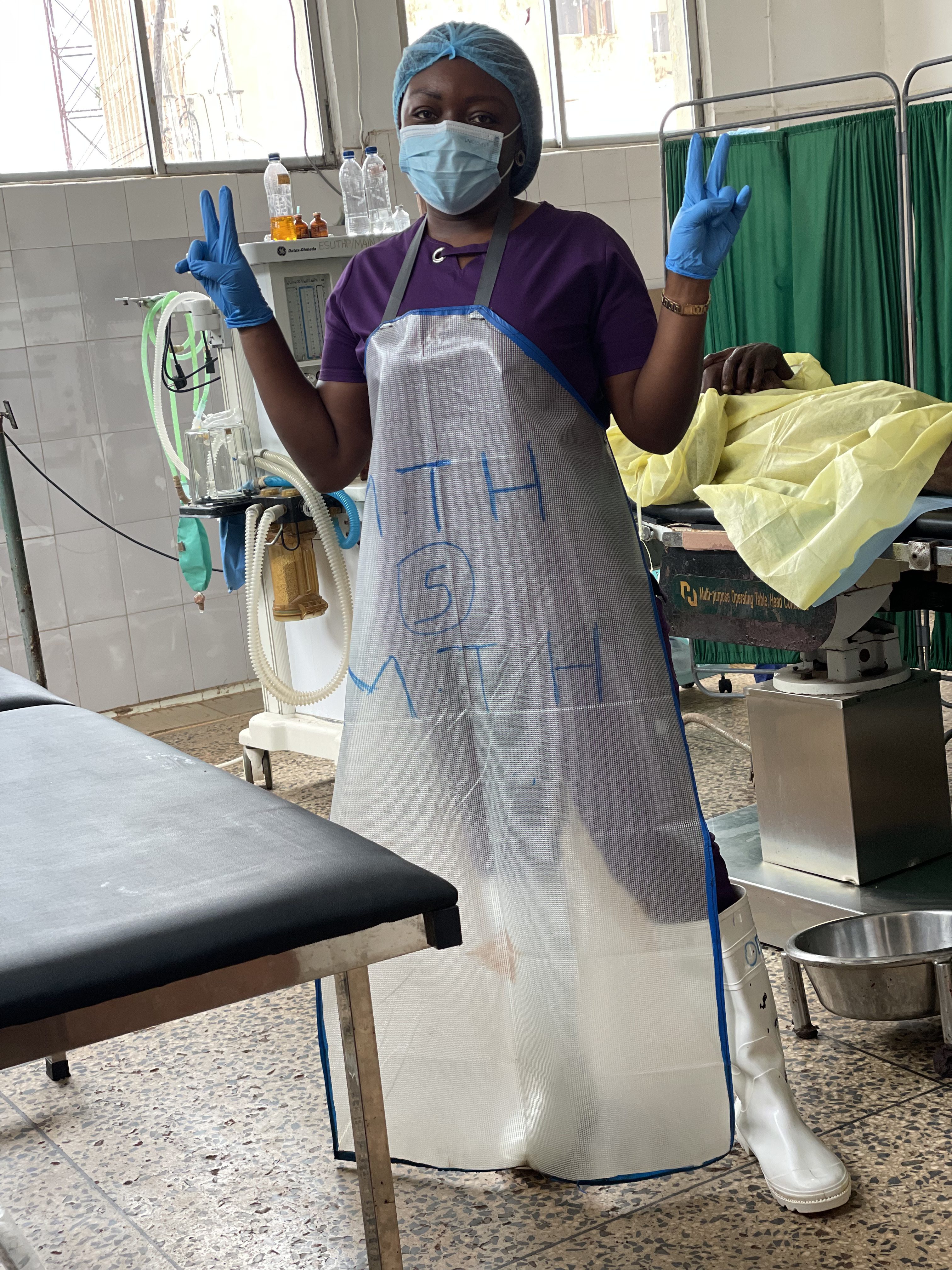
Despite the barriers, some Nigerian women are making strides in specialized medical fields traditionally dominated by men. One of them is Dr. Linda Nwodo, the first female doctor trained by Sightsavers to perform hydrocele surgery, a clinical procedure for draining fluid build-up. Women like Dr Nwodo are reshaping the trajectory of gender representation in Nigeria’s healthcare system.
Speaking about her journey, Dr Nwodo emphasized the wider impact of empowering women in medical professions:
“Empowering women in health professions isn’t just for their personal growth, it strengthens entire communities. When women are supported to develop their abilities, everyone benefits,” she said.
Examples like this show that increasing the number of women in specialized health roles can improve access to patient-centred care, encourage more girls to pursue careers in science and medicine, and help restore dignity for people affected by neglected tropical diseases.
Nigeria Country Director for Sightsavers, Prof Joy Shu’aibu, while emphasizing the important role women play in achieving a more equitable health system said:
“Dr Linda’s achievements show why investing in women is non-negotiable. When women are given the tools, training and opportunities to lead in specialized health fields, they drive transformative change, not just for patients, but for entire communities. Nigeria cannot afford to leave half of its talent behind.”
The organization is calling for increased investment in programs that expand opportunities for women and girls, particularly those living with disabilities. It highlighted how strengthening inclusive systems and removing structural barriers can significantly accelerate progress toward gender equality for future generations.