

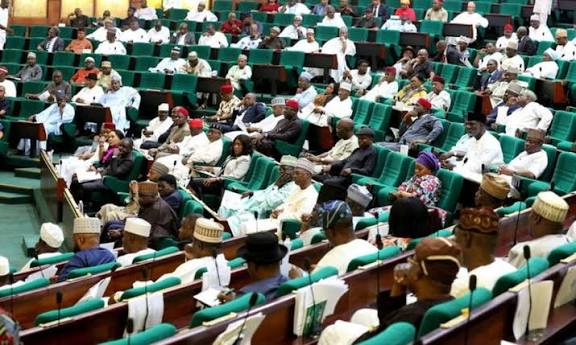
In a move to tackle Nigeria’s chronic underrepresentation of women and persons with disabilities (PWDs), the House of Representatives has proposed a constitutional amendment to reserve 10 per cent of seats for women and 5 per cent for PWDs in the National Assembly.
The proposal, unveiled on Tuesday by Speaker Tajudeen Abbas during the opening of the 2025 National Assembly Open Week and launch of the 10th House Midterm Legislative Scorecard, would increase the total number of seats in the National Assembly from 469 to 552.
Specifically, 83 additional seats: 55 in the House of Representatives and 28 in the Senate would be created exclusively for women.
According to Abbas, this reform is designed to entrench long-term gender and disability inclusion in Nigeria’s political landscape through constitutional guarantees.
“A central feature of our inclusive governance proposals is the introduction of constitutionally guaranteed reserved seats for women and persons with disabilities,” he said.
Speaker Abbas emphasized that the reserved seats for women would be filled via direct elections conducted on separate ballots, with representation distributed across states to maintain regional balance.
The same applies to seats for persons with disabilities, which would be filled through nominations by accredited disability advocacy organisations.
“These reserved-seat representatives would enjoy the same rights, privileges, and committee assignments as their peers, reinforcing their full integration into legislative work,” Abbas clarified. He stressed that the reform was “long overdue,” noting that women have historically been sidelined in Nigeria’s political institutions.
He illustrated the dire statistics of gender imbalance, “At independence in 1960, women occupied less than one per cent of parliamentary seats. By 1990, it had only risen to two per cent. In 1999, women held just 3.9 per cent in the House and four per cent in the Senate. Today, despite constituting half the population, women’s representation remains stagnant.”
To drive home the potential of constitutional quotas, Abbas cited global examples like Rwanda and Senegal, where reserved seats increased female representation from below five per cent to over 30 per cent within one electoral cycle. He stressed that Nigeria must adopt similar strategies to overcome structural exclusion.
The Speaker concluded by reaffirming the House’s commitment to deepening democracy through structural reforms.
“We will continue to work with state assemblies and stakeholders to ensure that these constitutional amendments, especially those focused on gender and disability inclusion are enshrined in the 1999 Constitution,” Abbas said.