
Despite decades of global sensitisation campaigns, FGM continues to deny girls their dignity, their health, and their rights. According to the World Health Organisation (WHO), more than 230 million girls and women alive today have undergone Female Genital Mutilation (FGM) in 30 countries across Africa, the Middle East, and Asia, where the practice is most prevalent.
Each year, over 4 million girls are estimated to be at risk of this harmful procedure, which is mostly carried out on children between infancy and age 15.
It is worth noting that FGM has no health benefits, only harm. It involves cutting or removing parts of healthy female genital tissue for non-medical reasons, often leading to immediate complications such as severe pain, heavy bleeding, infections, and even death. The long-term effects are equally devastating, including chronic urinary and menstrual problems, childbirth complications, higher risks of newborn death, sexual dysfunction, and lifelong psychological trauma.
WHO stated that the treatment of FGM-related complications drains health systems of at least US$1.4 billion every year, a figure that is expected to rise unless urgent action is taken to end the practice.
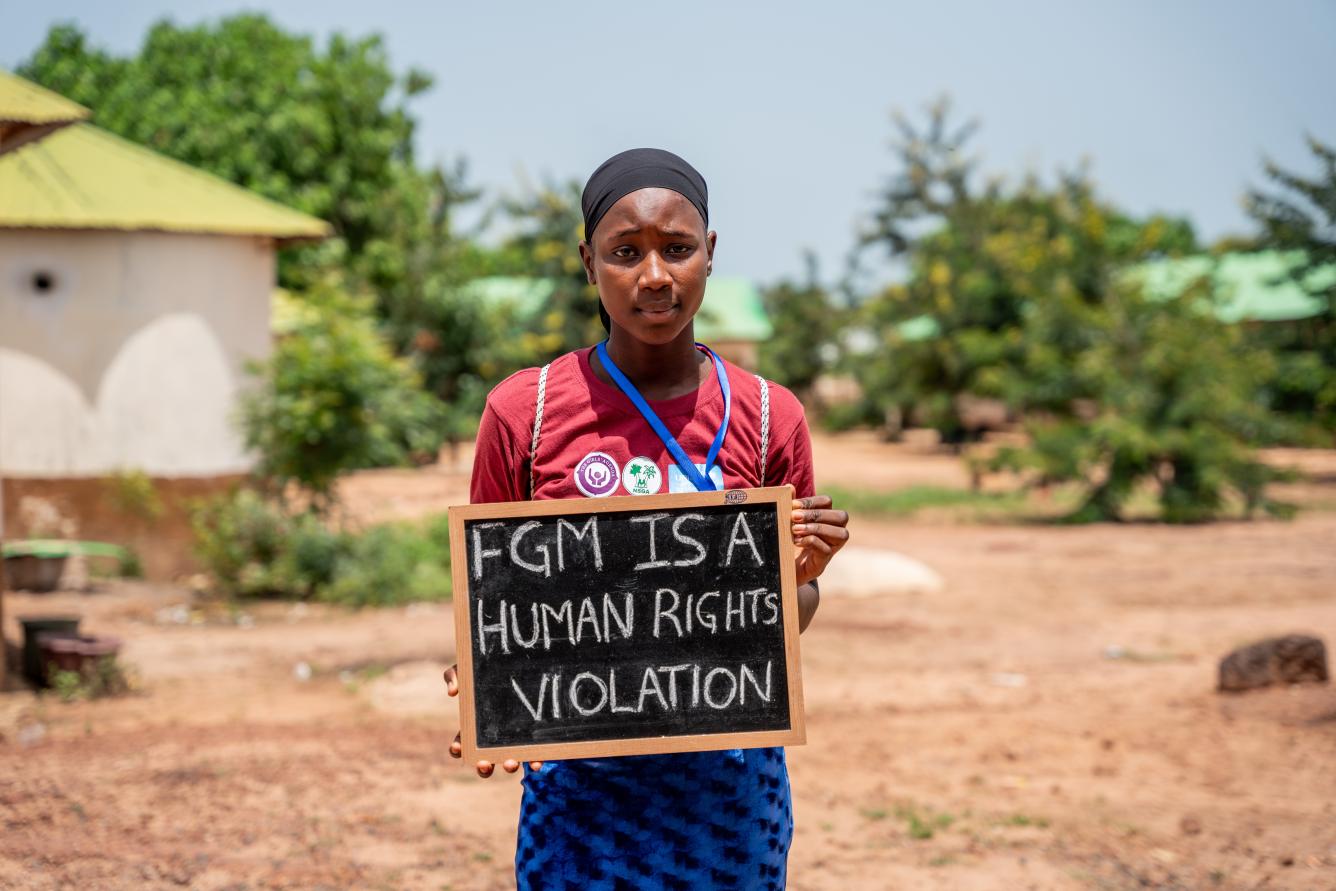
Meanwhile, FGM is widely recognised as a violation of human rights. It reflects deep-rooted gender inequality and constitutes an extreme form of discrimination against women and girls. It violates the rights to health, security, and physical integrity, as well as the right to be free from torture and cruel, inhuman, or degrading treatment. In Nigeria, where millions of girls remain at risk, the practice also contravenes constitutional protections such as Section 34, which upholds the dignity of the human person, and international treaties, including the Convention on the Elimination of All Forms of Discrimination Against Women (CEDAW) and the African Charter on Human and Peoples’ Rights.
The reasons FGM persists are rooted in culture and social norms. In many communities, it is considered a prerequisite for marriage, a way to control a girl’s sexuality, or a tradition that must be passed down. Families often subject their daughters to FGM out of fear of social rejection if they do not conform. In some places, health workers themselves are performing FGM under the false belief that “medicalised FGM” is safer. However, WHO has strongly condemned this practice, stressing that there is no safe form of FGM and urging health professionals to be advocates for its abandonment.
Fortunately, global momentum has grown since the World Health Assembly passed a resolution in 2008 calling for the elimination of FGM. WHO and partner organisations are supporting health workers with resources to prevent and manage FGM complications, while local NGOs and activists continue to raise awareness and provide safe spaces for survivors. In Nigeria, advocacy campaigns and community education efforts are gradually breaking the silence, and more women are speaking out against the practice.
However, the pace of change is far too slow. Every year that passes sees another four million girls cut, their futures scarred by a practice that has no place in a society committed to equality and human rights. Ending FGM requires urgent collective action, such as governments enforcing existing laws, health systems refusing to medicalise the practice, communities challenging the cultural norms that perpetuate it, and survivors being supported rather than silenced.