
Nigeria’s electoral debate has once again returned to a familiar fault line. Technology versus trust. Law versus practice. At the centre of it all is the question of electronic transmission of election results. As at February 2026, the conversation is no longer just technical. It is emotional. It is political. And it goes to the heart of whether Nigerians truly believe their votes count.
The governing framework remains the Electoral Act 2022. Section 60 provides that results shall be transmitted in a manner prescribed by the Independent National Electoral Commission. The wording recognises electronic transmission, but it does not expressly make real time upload from polling units mandatory. That distinction has shaped both litigation and legislative manoeuvres since the 2023 general elections.
In 2023, over 176,000 polling units were deployed nationwide by the Independent National Electoral Commission. While the Bimodal Voter Accreditation System was widely used for accreditation, inconsistencies in uploading results to the IReV portal triggered public distrust. Several election petitions followed. The Supreme Court of Nigeria held in multiple rulings that electronic transmission, as currently framed in law, is not a compulsory legal requirement but subject to INEC guidelines. That judicial clarification exposed the grey area in the statute.
In response, amendments were proposed within the National Assembly to make electronic transmission clearer and more binding ahead of 2027. Early drafts sought to compel real time electronic transmission directly from polling units. However, the Senate approved a moderated version. It supports electronic transmission but allows manually collated results to stand where technological failure occurs. Lawmakers cited network limitations in remote areas and uneven digital infrastructure across states as justification.
That approval sparked protests from civil society organisations, election observers, and professional bodies including the Nigerian Bar Association. Demonstrations in Abuja and Lagos in January 2026 reflected growing suspicion that any discretionary clause may be exploited. Advocacy groups argue that without strict safeguards, the fallback to manual collation could weaken transparency gains achieved through digital innovation.
Yet, beyond the technical clauses and political reactions, a deeper truth remains. No active law in Nigeria, or indeed across much of Africa, can on its own guarantee a free and fair election. Laws are frameworks. They are guardrails. But they do not conduct themselves. Human beings do. Vote buying remains widespread. In 2023, domestic observer reports documented instances of inducement across several states. Electoral malpractice does not begin with the absence of statutes. It begins with the erosion of civic responsibility.
Free and fair elections require more than legislative drafting. They demand political will, institutional discipline, and voter integrity. A country may pass the most sophisticated electoral reforms, yet if citizens are willing to trade votes for short term gain, or if officials abandon neutrality, the spirit of democracy weakens.
The path forward, therefore, is dual. Strengthen the law. Clarify electronic transmission. Remove ambiguity. At the same time, cultivate the will to protect the ballot. Democracy survives not only by statutes, but by conscience.
About The Author
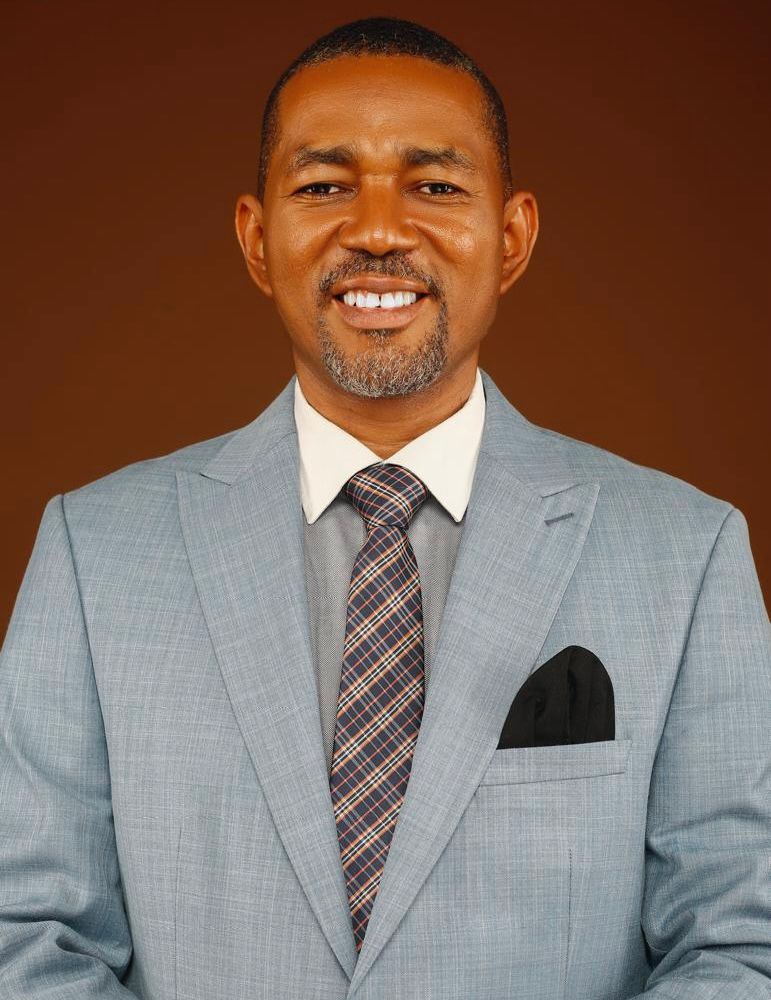
Barrister Noah Ajare is Head of the Joint International Election Monitoring Body comprising African Peace Magazine, Rethink African Foundation, and the Center for Peace and Conflict Management in Africa. He has participated in and led successful election monitoring missions in Nigeria, Equatorial Guinea, Angola, and Kenya.