
Enough is Enough Nigeria has called on the Federal Government to pause the implementation of newly enacted tax reform laws scheduled to commence on January 1, 2026, until critical governance, transparency, and public trust concerns are addressed.
The call follows widespread public debate and controversy surrounding the new tax framework, including questions about legislative integrity, transparency in international agreements, and inadequate public understanding of the reforms.
In a press release signed by Deputy Executive Director, Programs, EiE Nigeria, Ufuomah Nnamdi-Udeh, the organization stated that public trust in Nigeria’s tax system remains fragile, shaped by long-standing concerns about transparency, accountability, and the use of public funds.
Mrs Nnamdi-Udeh, said tax reform is not merely a technical or administrative exercise but a social contract between the state and its citizens which must be carried out transparently.
“Tax reform cannot succeed on speed and enforcement alone. Without transparency, legal certainty, and public understanding, these reforms risk failing at inception by eroding the trust that compliance depends on,” Nnamdi-Udeh said.
The organization identified several factors that have aggravated these trust deficits, including widespread public misunderstanding of the content and implications of the new tax laws, heightened misinformation and disinformation in public discourse, and controversy surrounding a Memorandum of Understanding between the Federal Inland Revenue Service and the French Government, particularly around data privacy and public disclosure.
EiE Nigeria also cited allegations by a serving member of the House of Representatives that the gazetted tax laws differ from the versions passed by the National Assembly.
The organization warned that proceeding with implementation without resolving these issues risks delegitimizing the reforms at inception, weakening voluntary compliance, increasing public resistance and litigation, and further eroding confidence in public institutions.
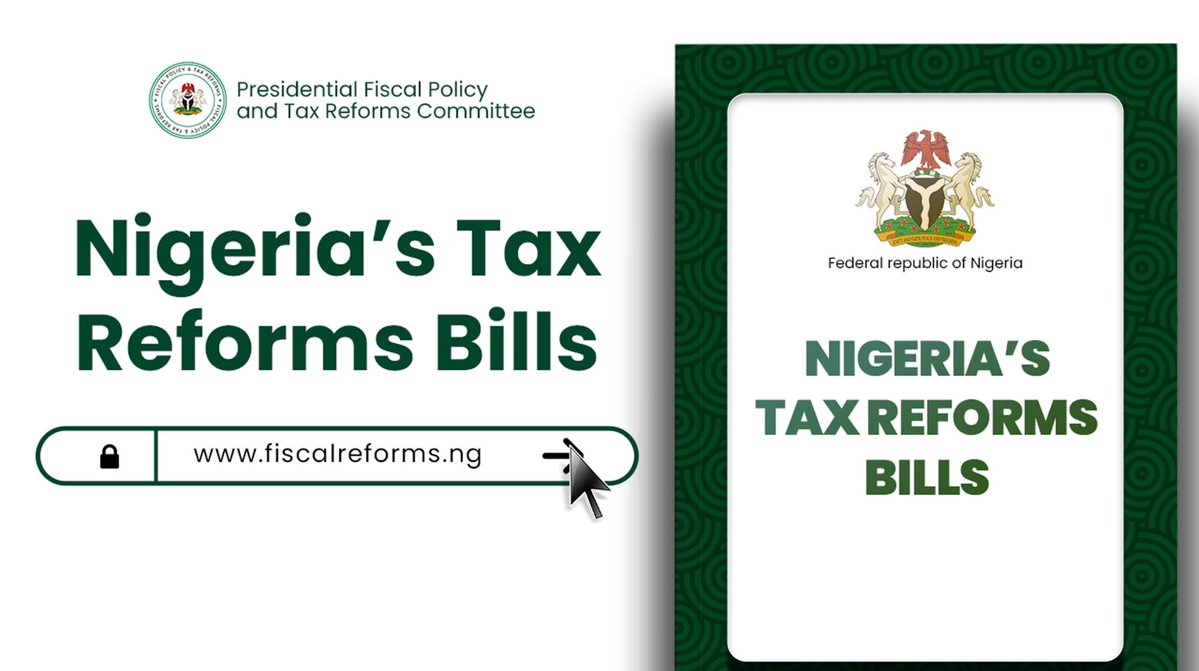
The passage of four tax reform laws in June 2025 – the Nigerian Tax Act, Nigerian Tax Administration Act, Nigerian Revenue Service (Establishment) Act, and the Joint Revenue Board (Establishment) Act – represents a significant policy shift aimed at improving revenue mobilization and fiscal sustainability.
EiE Nigeria, however, outlined several governance safeguards as preconditions for implementation, starting with making the exact versions of the tax bills passed by the National Assembly and assented to by the President publicly available.
Where discrepancies exist between passed bills and gazetted Acts, these must be fully disclosed and lawfully corrected, according to the organization.
The group called for an independent investigation to establish responsibility for any unlawful alterations to the tax laws after legislative passage, with safeguards put in place to prevent recurrence.
EiE Nigeria also demanded that the MoU between FIRS and the French Government be proactively disclosed to the public, in line with transparency and data protection best practices.
The organization recommended a minimum six-month nationwide civic education campaign to precede enforcement, explaining the tax reforms in plain language, clarifying implications for different categories of taxpayers, and outlining the intended development outcomes.
“These actions are not obstacles to reform; they are enablers of durable reform,” the organization stated.
EiE Nigeria said addressing legitimacy, transparency, and public understanding upfront will strengthen trust in tax and government institutions and improve compliance and reform outcomes over the long term.
The organization reaffirmed its commitment to strengthening Nigeria’s fiscal social contract by empowering citizens to understand, question, and engage governance processes.
It urged government and tax authorities to prioritize governance integrity and citizen confidence over speed or optics in implementing the tax reforms.
Enough is Enough Nigeria is a network of individuals and organizations committed to instituting a culture of good governance and public accountability in Nigeria through active citizenship, with key initiatives including voter education campaigns and advocacy for open governance.