
Digital literacy is essential for economic participation in today’s world, and without it, women with disabilities remain trapped in poverty cycles, unable to access education, employment, and other economic opportunities. The exclusion of this population from digital literacy initiatives perpetuates systemic inequality and prevents Nigeria from achieving its goal of 95% digital literacy by 2030. In this piece to commemorate International Women’s Day 2026, Blessing Oladunjoye writes about how the Inclusive Friends Association (IFA) is bridging the digital divide among women and girls with disabilities.
For a couple of years, Akinpelumi Alice Iyabo, a 38-year-old deaf woman living in FCT-Abuja, searched for a job without success. Despite holding a National Certificate in Education (NCE) in Special Education with a focus on Home Economics, she struggled to find employment and often found herself navigating an uncertain future.
In a world that is often referred to as ‘the global village’, where technology is often showcased as a symbol of progress, many women and girls with disabilities still struggle to access the most basic digital tools.
For them, the digital divide goes far beyond tech conversations or innovation, it determines whether they can interact online, learn new skills, access opportunities, or participate fully in today’s digital economy.
Set to break the barriers
However, a recent digital literacy training has begun to change how she sees that future. Through the programme, Alice learned digital skills such as content creation and the effective use of social media platforms, tools she says could help reduce her financial burden and make her earn a stable income.
“Through this training, I gained life-changing confidence in myself and my future,” she said, explaining that the programme also taught her to be more mindful of how information is shared online and how digital platforms can be used responsibly.
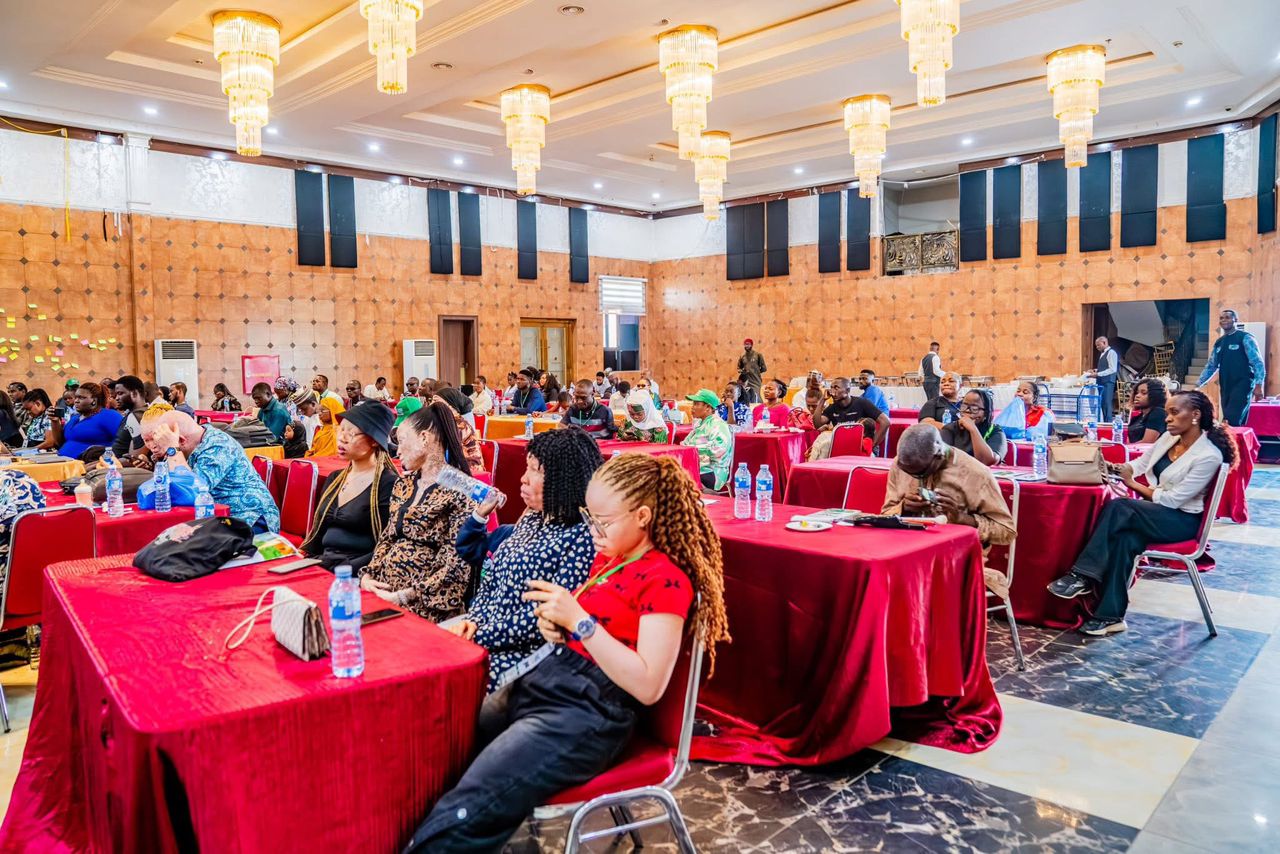
Alice is one of the 20 women with disabilities who benefited from a digital inclusion initiative led by the Inclusive Friends Association (IFA), aimed at equipping women and girls with disabilities with digital skills to bridge the digital divide.
Before the training, Halima Sashi Jingi, a visually impaired woman from Adamawa, shared that she had difficulty learning digital tools as they were not accessible to her.
Jingi said, “before this workshop, my experience with using digital tools, like smartphones, was limited because it was not accessible to me. I find it difficult to access vital information, especially information that can enhance my work.”
Like Jingi, there are other women with disabilities who find it difficult to access basic digital devices, let alone acquire the skills to use digital tools to amplify their work.
Stephen Idoko, Programme Manager at IFA, explained that many women and girls with disabilities remain excluded from opportunities in education, employment, and entrepreneurship as the world becomes increasingly technology-driven.

According to Idoko, “a 2023 study revealed that 61 per cent of women and girls with disabilities in Northern Nigeria could not power a computer on or off,” a situation he described to be appalling.
Idoko shared that the exclusion of women and girls with disabilities from digital literacy initiatives perpetuates systemic inequality and prevents Nigeria from achieving its goal of 95% digital literacy by 2030.
“To break these barriers and support women with disabilities across different clusters was the reason we set up this initiative, ‘Promoting Digital Inclusion for Women and Girls with Disabilities,” Idoko added.
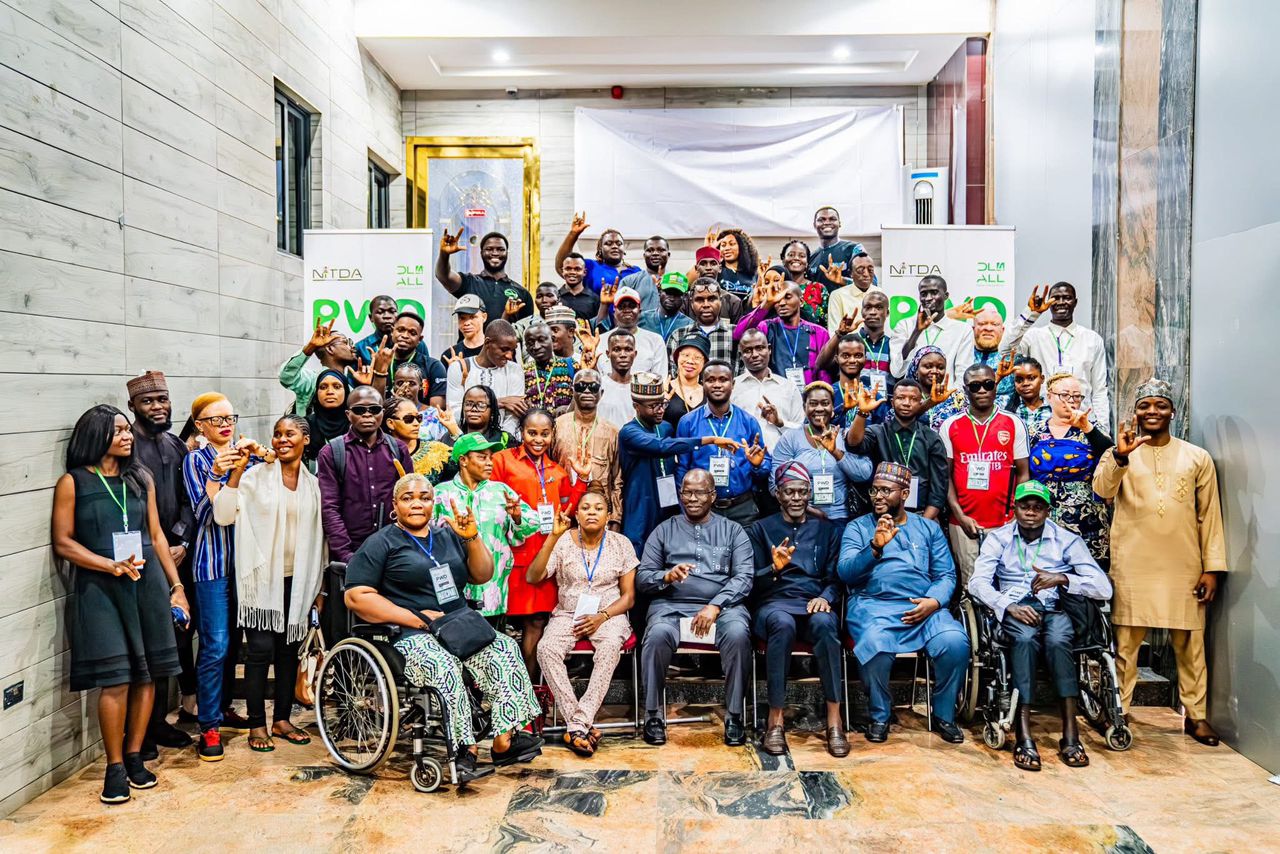
The programme was implemented by IFA under the Rise Up initiative in partnership with SIMBED Learners School and the National Information Technology Development Agency (NITDA).
Speaking on the impact of the training for women and girls with disabilities, Idoko noted that beyond the exposure for the 20 direct beneficiaries, the communique developed at the end of the workshop and partnership with NITDA is a pillar to achieving policy reforms.
“We directly trained 20 women and girls with disabilities in Abuja, representing different disability clusters, including physical, visual, hearing, and albinism communities. The training equipped them with basic digital skills, online safety knowledge, and advocacy tools to engage policymakers and push for their inclusion in national digital policies.
“Beyond the direct training, our advocacy efforts reached over 154,000 people through social media and engaged key stakeholders, including 10 Organizations of Persons with Disabilities (OPDs), media professionals, and policymakers.
“One major impact of the programme was the development of a communiqué addendum in collaboration with 10 OPDs. This document identified clear gaps in the NDLF 2023 and provided practical recommendations for incorporating digital literacy provisions for women and girls with disabilities. The communiqué has strengthened our engagement with NITDA and other stakeholders and serves as a key advocacy tool in pushing for policy reform,” he said.
Skills were truly helpful
Umamatu Jiddah, a Deaf woman who works with the National Commission for Persons with Disabilities, acknowledged that the training opened up digital tools she had previously only seen others use.
“Learning those Google tools was a game-changer for me,” she said. “As a disability rights advocate, I used to wonder how people created Google Forms and asked others to fill them. Now I can create my own.”
Jiddah said the skills have also helped her better protect herself from online attacks, which have become rampant and how to safeguard her social media platforms.
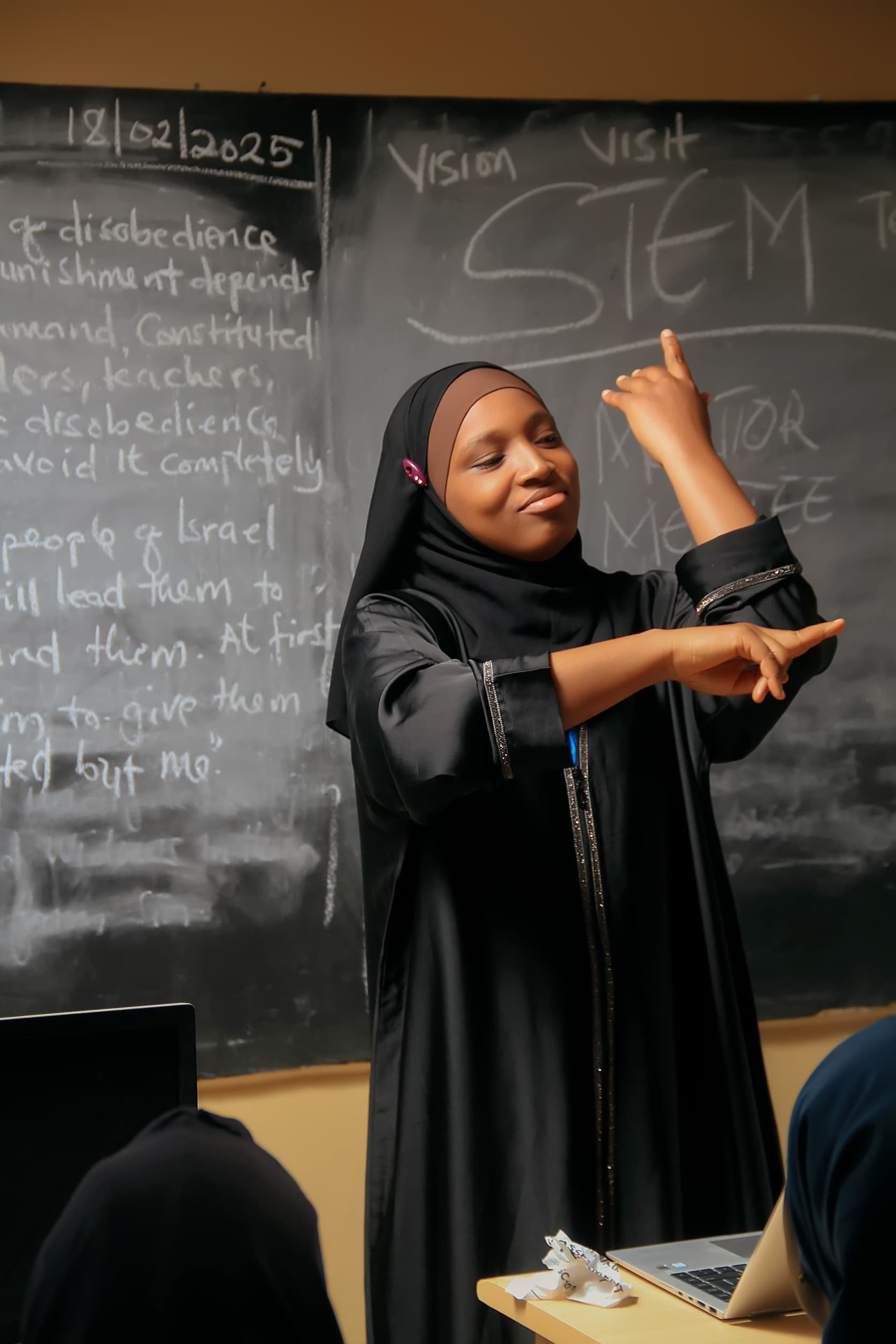
Beyond improving her personal digital safety, Jiddah believes the skills could also open up employment opportunities, including work that requires organising and managing information using tools such as spreadsheets and online forms.
For Comfort Ekwo, the Founder and Executive Director of the Sauri Growth Initiative for Women and Youth with Disabilities, she learnt about “the smart cane and how it works beyond a traditional manual mobility cane. Learning how technology can be integrated into mobility tools to support navigation for Blind persons and safety was very inspiring.
“I also learned more about screen readers and how they can improve access to information and digital platforms for people with visual impairments,” she added.
Visually impaired persons often rely on those who are tech savvy to help them navigate the digital tools, but with the training, Ewko shared that “it has opened up opportunities for me to expand my work digitally, communicate more effectively, and access information more independently.
“It also gives me the confidence to explore more digital tools that can support my advocacy work, business activities, and professional growth.”
Alice believes she has been equipped to teach other women and girls with disabilities how to use digital tools, and possibly start an e-commerce platform where she can generate more revenue.
Jingi, on the other hand, is confident that she can position herself in the digital space having learned how to use LinkedIn and generative AI tools.
“Although we were taught not to be dependent on AI, I can say that this workshop helped me to understand how to use AI,” she explained.
Progress still needed
With an estimated 15% population of a locality being persons with disabilities, training only 20 people might be insignificant compared to thousands of other women with disabilities who would have benefited from the laudable training sessions.
While the training was impactful, some participants think the duration needed to be elongated to provide an opportunity to grasp more.
Alice said, “I feel that a two-day training session is insufficient to fully grasp the concepts and practical skills being taught. Extending the training would not only enhance learning outcomes but also empower participants to apply the skills effectively in real-life situations.”
Providing post-training mentorship and guidance can also help beneficiaries utilise the digital tools for economic opportunities rather than simply acquiring knowledge.
“Digital literacy should not stop at learning how to use tools. The real value lies in helping women with disabilities apply those skills to access jobs, promote businesses online, and participate in the digital economy,” said Ayodeji Akande, a financial expert.
Also, one of the key recommendations to NITDA in the communique developed at the end of the workshop was for ‘NITDA to consider making the National Digital Literacy Framework (NDLF) accessible to persons with print disabilities by ensuring its availability in accessible formats, including audio, Braille, etc. as per the Marrakesh Treaty 2013, which Nigeria is a signatory to.’
A recommendation like this is profound and can improve access to digital tools for PWDs. IFA needs to leverage its working relationship with NITDA to make this recommendation actionable.
More investment in digital inclusion
As technology becomes central to work, learning, and entrepreneurship, no one, especially women and girls with disabilities in Nigeria, should not be left behind.
Advocates say that targeted investment in digital inclusion, through training, mentorship, and assistive tools, is essential to ensure these women can access opportunities, gain independence, and fully participate in the digital economy.
According to Idoko, “more investment in digital inclusion is critical because digital literacy is now essential for employment, education, entrepreneurship, and civic participation.
“Without intentional inclusion, women and girls with disabilities remain locked out of economic opportunities, and national development goals cannot be fully achieved.”
Ekwo, who noted that investing in digital inclusion helps create equal opportunities and empowers women and girls with disabilities to fully participate in society, also called for more investment from relevant stakeholders.

According to her, “more investments in digital literacy and inclusion will help women and girls with disabilities gain independence, protect their privacy, access information, run businesses, and participate in civic engagement. It also helps reduce dependence on others for basic digital activities such as communication, financial transactions, and accessing services.”
For her part, Ummatu shared that “there should indeed be more investments in digital inclusion because most women and girls with disabilities are left behind.
“The world has gone too far in technology. Still, many people with disabilities, especially, women and girls, are often left out. Investing in digital inclusion will no doubt bring a lot of positive changes,” she added.