

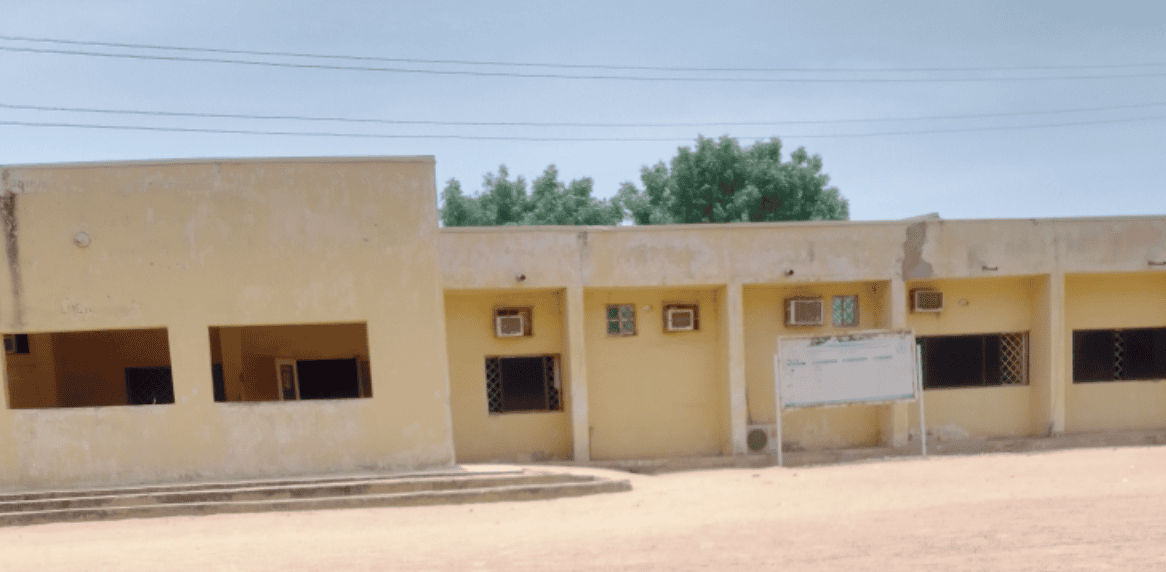
Sabon Birni Primary Health Centre in the Fagge Local Government Area of Kano State bustled with activities as the occasional cries of babies pierced the air. In the waiting area, mothers patiently waited to receive Ready-to-Use Supplementary Food (RUSF) for their children.
Despite hours of waiting and having their babies weighed by health workers on May 6th, 2026, more than 50 caregivers returned home empty-handed without the life-saving supplement they had brought their children to receive.
Multiple caregivers leaving the hospital premises empty-handed confirmed that no RUTF had been distributed.
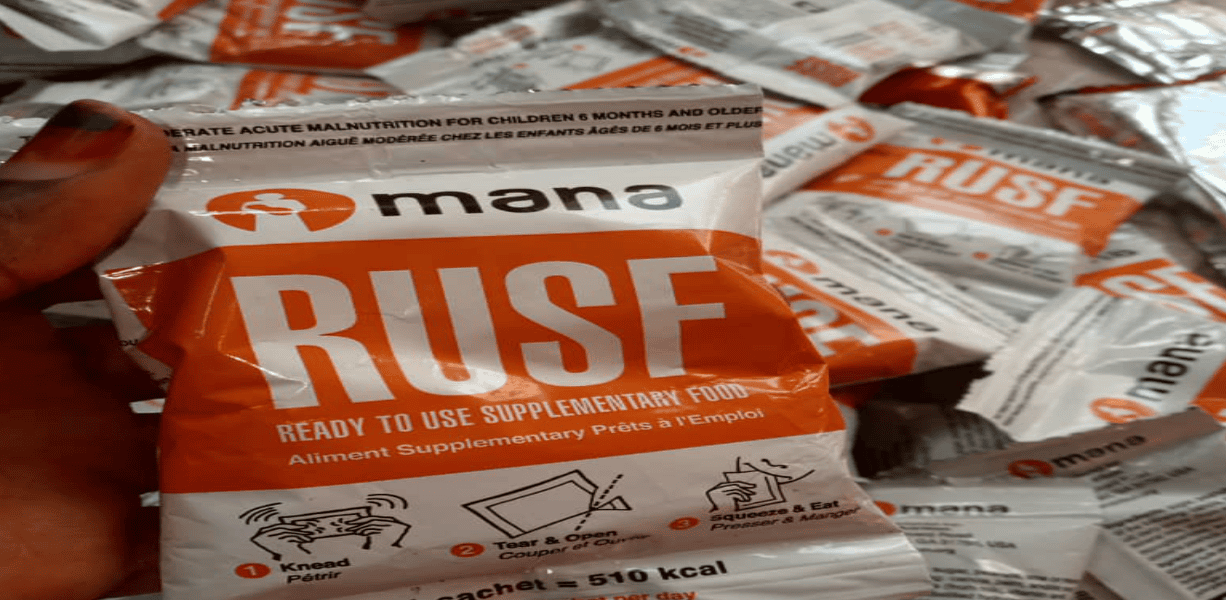
RUSFs are free nutritional supplements distributed to mothers at hospitals and health centres to combat child malnutrition in Kano.
The supplements are distributed weekly, usually on Wednesdays and Thursdays. They are popularly known as “Tamowa,” the Hausa word associated with malnutrition, and are enriched with nutrients needed to support the growth and recovery of children under five who are malnourished.
Findings from BONews show that inconsistent distribution, uncertainty about access, and informal resale networks are pushing caregivers to buy RUSF supplements intended to be distributed free of charge.
Nigeria tops the chart in malnutrition globally, with one in two children reportedly malnourished in Kano. The impact of malnutrition in children is severe, including stunted growth and weakened immune systems, making children under five more vulnerable to illnesses such as diarrhoea and malaria. This contributes to nearly 45 percent of children’s deaths worldwide.
In 2025, the Kano State Government, in collaboration with UNICEF, allocated ₦1 billion to procure nutritional supplements in response to rising malnutrition levels in the state. Additionally, authorities reinforced a zero-tolerance policy against the sale of RUSF by indicating ‘NOT FOR SALE’ on each pack.
RUSF sells for N600 per pack in PHCs
Field observations at Takai Primary Health Centre showed that caregivers arrived on designated distribution days, only to return home without receiving the product.
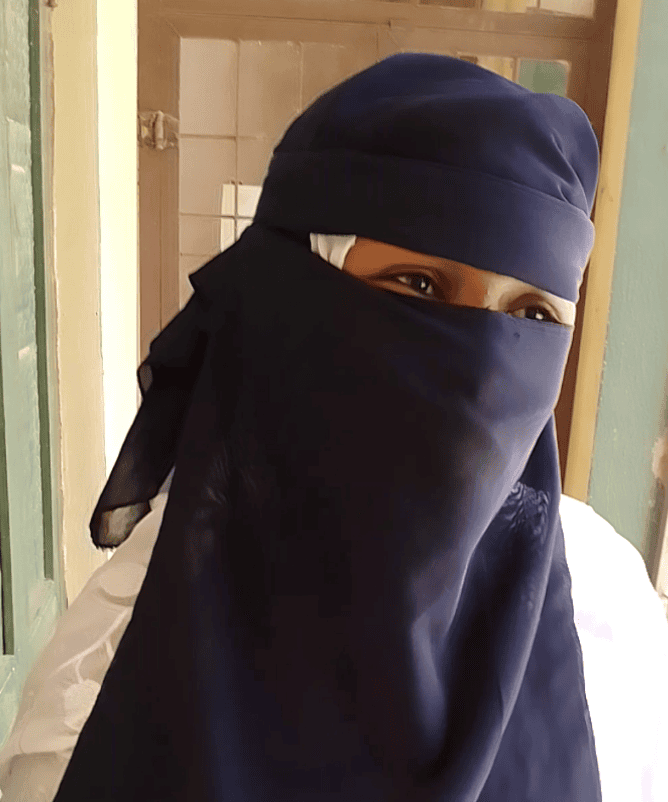
Husseina Ahmed, a mother, recounted making repeated visits to the clinic for her child’s treatment but was unable to access the nutrition officer.
“This is my fourth time coming to the hospital to get this pack for my child. I end up wasting my time and energy,” she said.
She explained that, despite arriving early at about 10 a.m., she later learned that distribution often occurs much earlier, between 6 a.m. and 8 a.m. She added that someone advised her to purchase the product outside the hospital, as some mothers reportedly do.
“Instead of this stress, I think it is better to purchase the supplement outside, as advised,” she said.
Despite repeated government warnings, sales of the nutritional supplements remained a persistent problem in Kano’s public health facilities.
This reporter confirmed the sale of RUSF outside the Takai facility for ₦600 per sachet, highlighting the contrast between access and availability.
Parents left stranded
For some caregivers, repeated failed attempts at public facilities leave buying as the only practical option.
Rukkaya Ibrahim, a resident of Rafin Malam and mother of twins, said she had repeatedly patronised sellers of the supplement. When buying became financially unsustainable, she decided to visit Murtala Muhammad Hospital, where she was referred to the PHC in Fagge.
“Breast milk is not enough for my twins, and they don’t take anything else except for the RUSF supplement. When they take the RUSF, which I buy for ₦500, they take it well. The two of them take two sachets, but I can only afford one sachet, so I decided to come to the hospital to get it,” she says.
“When I learned they are shared for free, I visited Murtala Muhammed Hospital, thinking the hospital here is small. “But they referred me back to Fagge,” she added.
However, she still did not receive the supplement after arriving at the facility. Instead, health workers took her contact details and told her they would contact her when supplies arrived. The call never came.
Rukkaya, among the caregivers turned away at the facility, said she would keep buying the supplement until the hospital contacted her to return for the free supply.
The markets in shadows
Over a three-week investigation, BONews traced the informal sale of RUSF supplements across nine vendors in the Takai Local Government Area, the Kumbotso Local Government Area, and Fagge.
This reporter conducted an undercover investigation, posing as a buyer through a middleman who sources and connects wholesalers with suppliers.
The investigation revealed that sellers often operated quietly from residential compounds, hospital entrances, and local pharmacies while avoiding open display of the supplement. Depending on location and availability, sachets were sold for between ₦450 and ₦600.
The nutritional supplements are distributed in two forms: Ready-to-Use Therapeutic Food (RUTF), packaged in red-and-white sachets for treating severe acute malnutrition, and Ready-to-Use Supplementary Food (RUSF), packaged in white-and-yellow sachets for children with moderate acute malnutrition. Among buyers and sellers, people commonly identified the supplements by local nicknames rather than official names. One variety is popularly known as “Chokoi,” meaning “the sweet one.” The other is called “Kwankwasiyya” because of its red packaging.
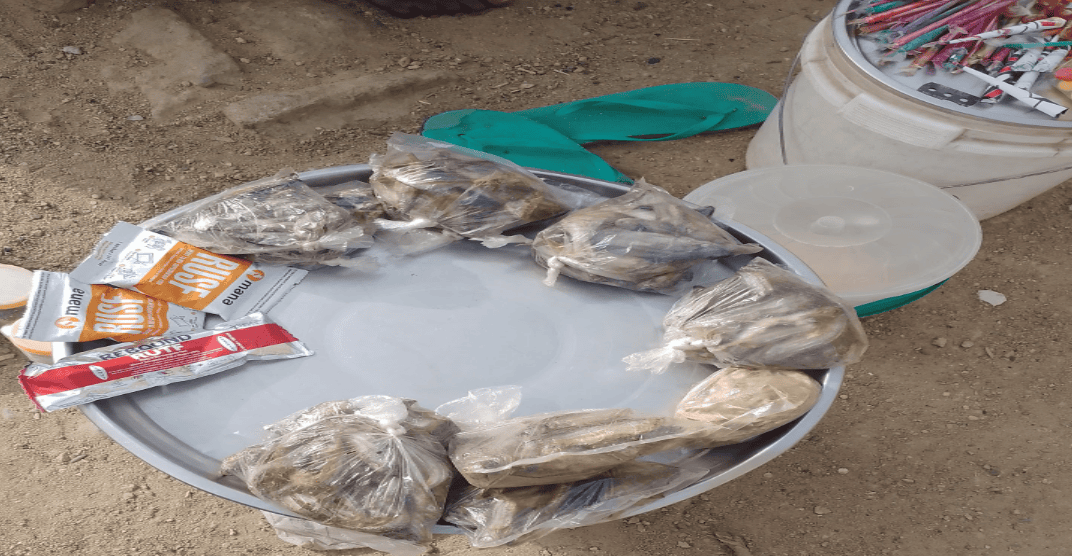
In Kumbotso Local Government Area, the supplement was found displayed in trays alongside household condiments such as dried fish, seasoning cubes, and sweets. Only a few sachets were openly displayed at a time, while sellers kept additional stock inside nearby homes. When customers requested larger quantities, sellers hurried back home to retrieve more products.
A similar pattern was observed in Fagge, where women sold the products from their homes, while buyers often sent children on errands to purchase the supplement.
In the Takai LGA, caregivers and local sources directed this reporter to vendors operating near a hospital where sachets of RUTF were reportedly sold for about N600.
Selling large quantities is done discreetly. Products are sourced through trusted networks of contacts, with a carton containing 150 pieces, sold for ₦56,000-₦60,000.
Shafiu Yusuf, a middleman connecting wholesalers to buyers, explained that product pricing often depends on the source of the supply.
“The price depends on the source. If it comes directly from a health worker, it is cheaper and can cost around ₦45,000. But getting it from other sellers means a higher price of about ₦60,000, since they also have to make their own profits,” he said.
According to Yusuf, sellers in Kano have become more cautious following recent arrests, and he also suggested accessing a health worker in Katsina who could provide supplies.
Health Workers Divert Free RUSF Into Black Markets
Despite official “NOT FOR SALE” markings and a zero-tolerance policy, Ready-to-Use Supplementary Food and Therapeutic Food meant for Kano’s malnourished children are routinely diverted and sold for profit.
Field findings across Takai, Kumbotso and Fagge confirm sachets changing hands for ₦450–₦600 outside clinics and in residential compounds, even as mothers queue for hours only to leave empty-handed.
The Kano State Primary Health Care Management Board claims routine inspections, biodata collection and follow-up checks are in place, yet these measures have failed to stem the diversion. Dr Aliyu Zubairu, the board’s Director of Family Health, acknowledges that diversion occurs but insists some products in the informal market originate from neighbouring states.
In 2025, the Kano State Government, working with UNICEF, allocated ₦1 billion to procure these life-saving supplements in response to the state’s alarming malnutrition rates. Yet the massive investment has been undermined by persistent leakage.
Middleman Shafiu Yusuf confirmed that health workers in PHCs and government officials secretly divert the free supplements into informal markets, supplying cartons at discounted rates that allow sellers to resell them for profit. He told BONews that cartons of 150 sachets cost as little as ₦45,000 “if it comes directly from a health worker,” rising to ₦60,000 once other sellers take their cut.
Advocates attribute the leakage to “weak monitoring systems, poor accountability, and corruption within parts of the supply chain,” noting that extreme poverty sometimes drives caregivers themselves to resell portions of their children’s allocation.
In June 2026, Kano State government inaugurated a committee to investigate the unauthorised sale of RUTF.
Labaran said the committee was mandated to determine how the incident occurred, identify individuals or groups involved, including possible collaborators among health workers, private traders, and community members and ascertain the quantity and estimated value of the missing commodities.
Corruption and Weak Oversight Drive RUSF Into Black Markets, Expert Says
Saadatu Sulieman, a public health nutritionist and Chairperson of the Nutrition Society of Nigeria, Kano chapter, said the leakage of RUSF into informal markets is often driven by poverty, weak monitoring systems, and gaps in accountability during distribution.
“In households experiencing extreme poverty, some caregivers may sell part of the child’s RUSF allocation to buy necessities such as food, transport fares, medicines, or household items,” she said.
Saadatu added that weak monitoring systems, poor accountability, and corruption within parts of the supply chain can also contribute to the diversion of RUSF before it reaches intended beneficiaries.
According to her, the ongoing leakage of the product into communities has gradually created an informal market in which traders capitalise on its growing demand among caregivers.
Government reaction
Responding to BONews findings, Dr. Aliyu Zubairu, Director of Family Health at the Kano State Primary Health Care Management Board, said RUTF supplies are distributed to facilities based on demand and annual consumption rates.
According to him, accountability measures include routine inspections of centres, the collection of caregivers’ biodata, and follow-up checks to ensure that supplements reach their intended beneficiaries.
“We have the SAM officers collect the biodata of parents, including their phone numbers and addresses, because sometimes we follow up on patients to ensure they received the RUTF as recorded,” he said.
Regarding reports of caregivers leaving facilities without receiving supplements, Dr. Zubairu said caregivers should seek guidance from nutrition officers when supplies are unavailable.
“If the product is unavailable, they can ask the nutrition officer what to do next, and they may be referred to another centre where the supplement is available.”
While also acknowledging that diversion can occur, he argued that products found in informal markets do not always originate from Kano’s distribution system.
“Some of the products found in the markets are from neighbouring states, and authorities are deployed to investigate suspected diversion cases linked to RUTF supplies distributed within Kano,” he said.