

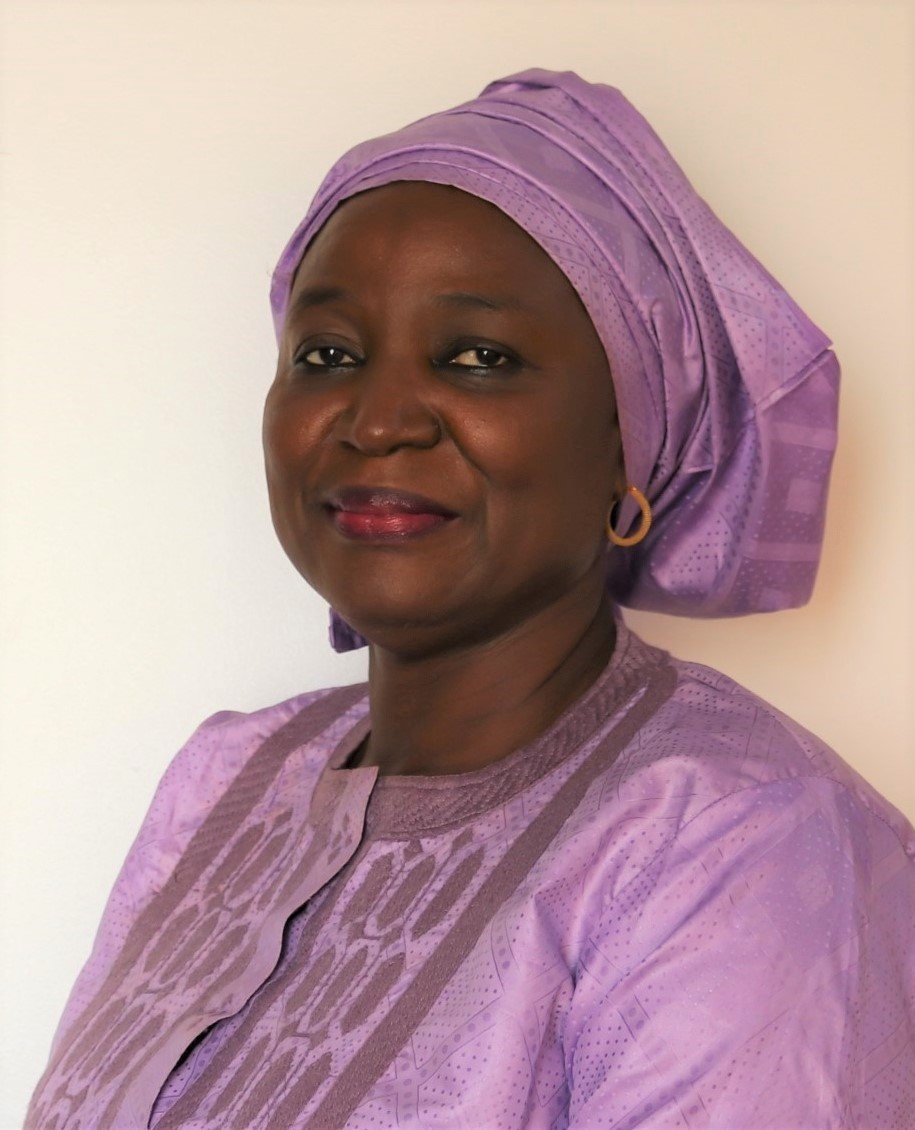
The African Commission on Human and Peoples’ Rights (ACHPR) has expressed concern over the continued threats facing women and girls in Nigeria, citing rising abductions and gender-based violence as significant barriers to their safety and rights. The Commission also urged authorities to strengthen protection measures and hold perpetrators accountable.
These concerns were contained in a report presented during the ACHPR’s 87th Ordinary Session held in Banjul, The Gambia, in May 2026, where the Commission reviewed the state of women’s rights across Africa and highlighted persistent challenges despite recent commitments to combat violence against women and girls.
Although the Commission commended African countries for adopting measures such as the African Union Convention on Ending Violence Against Women and Girls (AU-CEVAWG), it warned that violence against women remains widespread, including conflict-related sexual violence, femicide, and technology-facilitated gender-based violence.
The ACHPR’s Special Rapporteur on the Rights of Women in Africa highlighted Nigeria as one of the countries of concern. The Rapporteur specifically referenced the March 2026 abduction of seven members of a family in the Sabon Gero community, Chikun Local Government Area of Kaduna State, including a pregnant woman, a nursing mother, and a child. This incident, the Rapporteur noted, reflects a broader pattern of abductions in Nigeria, where criminal groups increasingly use kidnapping for financial gain or to advance their objectives.
The Commission also expressed concern over the disproportionate impact of kidnappings and abductions on women and girls, noting that female victims are often exposed to sexual violence, exploitation, and other forms of gender-based violence while in captivity. It observed that such violations leave lasting physical, psychological, and social consequences for survivors, many of whom struggle to access adequate support and justice after their release.
Beyond the immediate dangers posed by abductions, the ACHPR noted that schoolgirls remain particularly vulnerable to kidnapping in several parts of Africa, including Nigeria. According to the Commission, attacks targeting female students not only threaten their safety but also undermine their right to education. The fear generated by such incidents often compels families to withdraw their daughters from school, worsening educational inequalities and limiting opportunities for girls to reach their full potential.
The Commission further drew attention to the growing prevalence of technology-facilitated gender-based violence across the continent. It warned that women and girls are increasingly subjected to online harassment, cyberstalking, hate speech, threats, and the non-consensual sharing of intimate images and personal information. These abuses, it said, are amplified by the rapid expansion of digital technologies and social media platforms, creating new risks that frequently extend beyond the online space into victims’ daily lives.
The Commission noted that women in politics, journalists, human rights activists, and women with public profiles across Africa are increasingly targeted by online violence. In Nigeria, concerns about online harassment of women in public life have similarly grown in recent years, with digital abuse increasingly viewed as a threat to women’s participation in civic and political spaces.
The Commission also warned of what it described as a growing backlash against women’s rights across Africa. It pointed to shrinking civic space, increasing online hostility towards women, restrictive legal and policy environments, and persistent funding constraints faced by women’s rights organisations. These challenges, the ACHPR noted, continue to undermine efforts aimed at advancing gender equality and protecting the rights of women and girls.
To address these concerns, the Commission urged the Nigerian government to improve the readiness of law enforcement agencies to respond to threats of abduction and actual kidnapping incidents, particularly in areas where women and girls are most vulnerable. It also called on authorities to equip security agencies with the resources needed to effectively investigate, apprehend, and prosecute perpetrators.
Specifically, the ACHPR called for the swift apprehension and prosecution of the perpetrators behind the abduction of the women and children in Kaduna State. It stressed the need for Nigerian authorities to treat the persistent threat of kidnappings with greater urgency and to implement sustainable measures capable of protecting vulnerable communities from future attacks.