
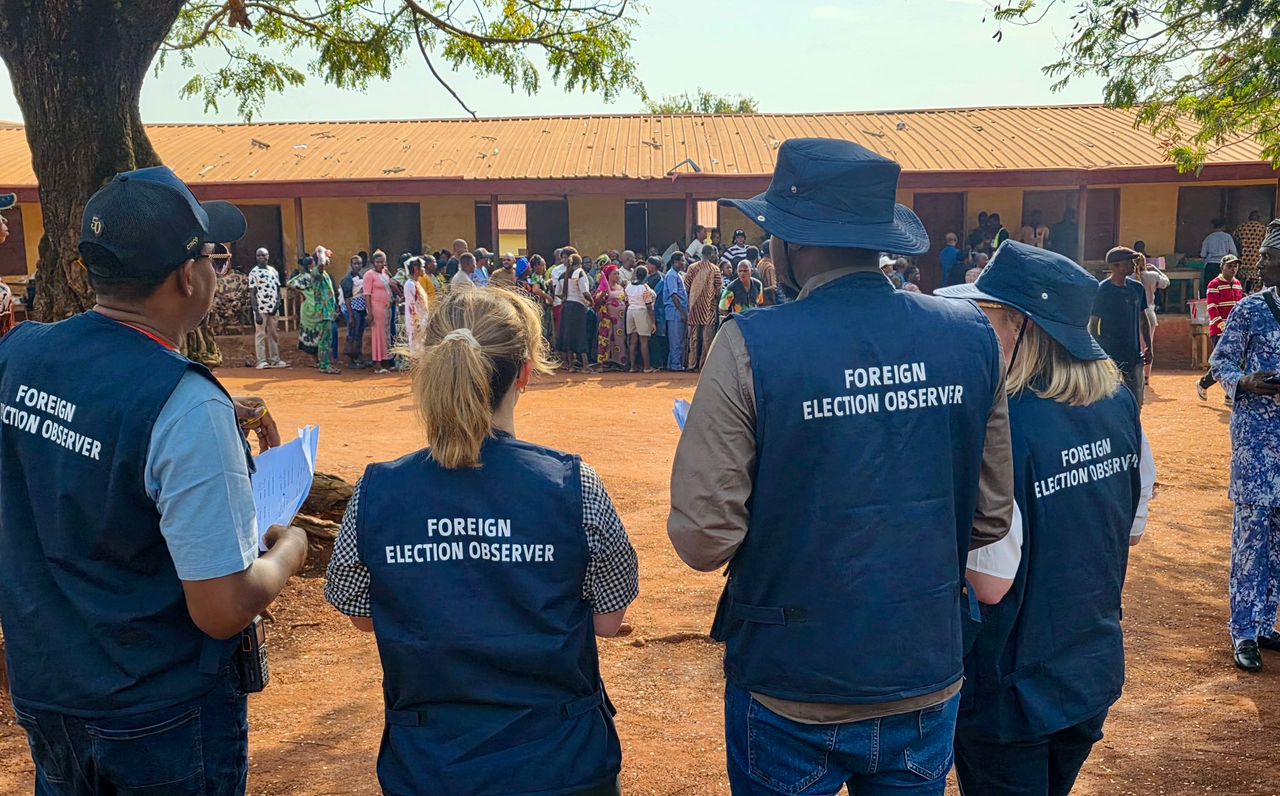
The British High Commission has expressed concern about barriers encountered by persons with disabilities at several polling units at the just concluded Ekiti 2026 governorship election.
While congratulating Governor Biodun Abayomi Oyebanji of the All Progressives Congress (APC) on his re-election, the commission, in a statement, also expressed worry over glitches by the Bimodal Voter Accreditation System (BVAS) machine and inaccessible polling units during the election.
According to the commission, although vulnerable voters were prioritised in some locations, many polling units remained physically inaccessible to people living with disabilities.
“While our team noted the prioritisation of vulnerable voters at several polling units, which is commendable, the physical location and set up of most polling units visited were inaccessible to voters with disabilities,” the Commission stated.
The observers also identified operational challenges during the election, particularly delays associated with the BVAS at some polling units. The Commission warned that such technical issues could undermine voter confidence and discourage participation if not adequately addressed.
Beyond accessibility and technical concerns, the High Commission reported instances of vote trading and interference by party agents at polling units visited during the exercise.
It described vote trading as a threat to public trust in the electoral process and called on relevant authorities and political actors to take urgent steps to address the practice.
The Commission urged stakeholders to apply lessons learned from the Ekiti election to future polls, especially the upcoming Osun State election and the 2027 general elections, stressing that credible, inclusive and transparent elections remain vital to strengthening Nigeria’s democratic institutions.
It further enjoined stakeholders to strengthen collaboration and adopt inclusive practices to ensure accessibility at all polling units before the 2027 general elections.
The Commission also stated that the election, which was the first major electoral exercise conducted under the Electoral Act 2026 and its associated guidelines, provided an opportunity to assess the implementation of the new legal framework.