
Environmental rights activists have called on public and private sector actors to always develop a robust and effective framework to guide them when implementing and monitoring environmental sustainability measures.
This framework, which is expected to be co-created with community members, should be created before the commencement of any development projects, to ensure those projects are beneficial to community members, rather than cause more harm.
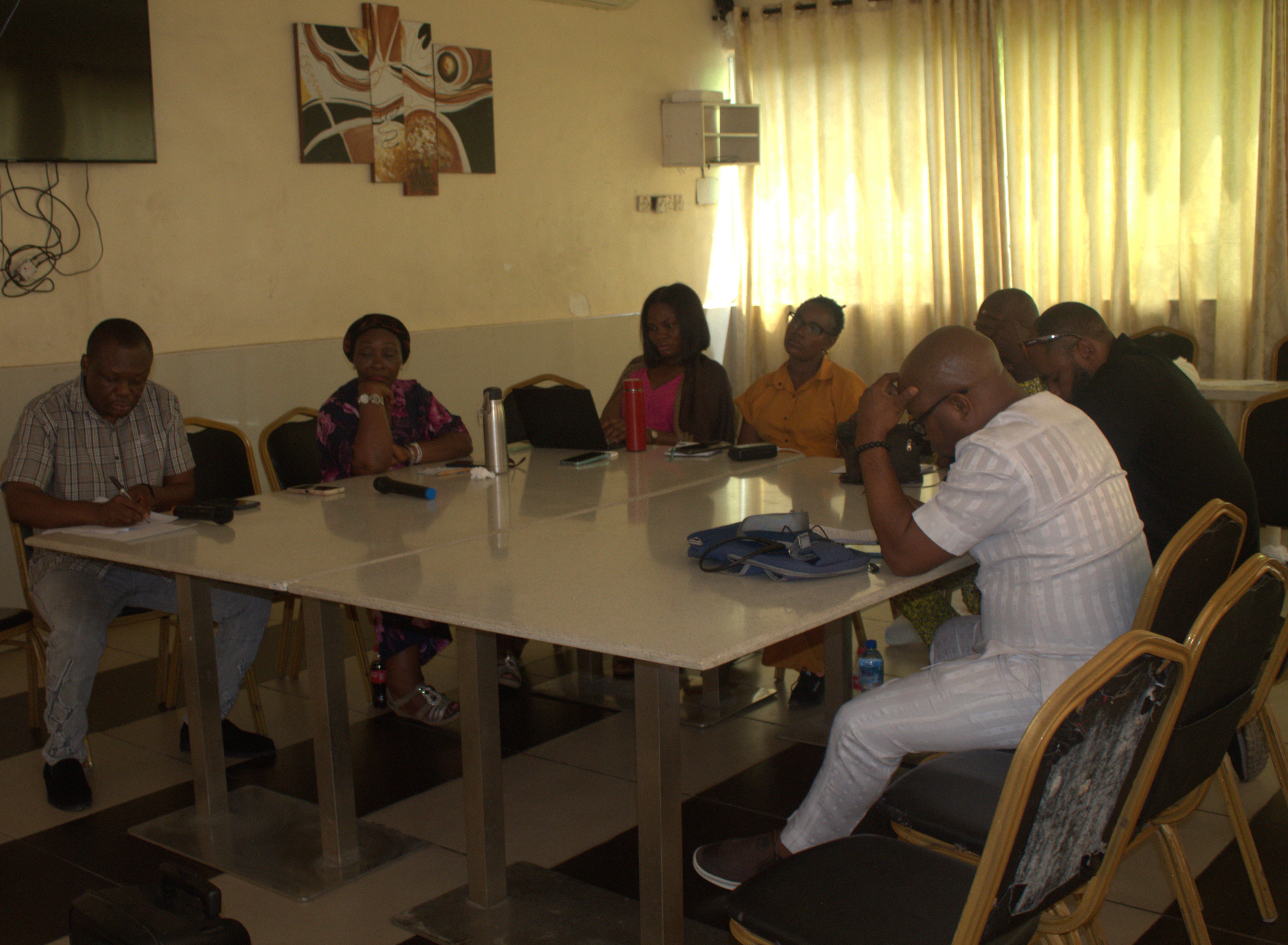
This recommendation was made during the Inclusive Environment Workshop hosted by the University of Derby, the Environment Defenders Network (EDEN) and Renvelyn Development Initiative (RDI).
The workshop brought together stakeholders, policymakers, community groups and journalists, who explored a new environmental justice framework produced following in-depth research on behalf of the Sustainable and Inclusive Growth Commission by the University of Chester and the University of Derby.
The research was led by Prof Chantal Davies, Dr Holly White, Dr Kim Ross, all from the University of Chester and Dr Eghosa Ekhator, from the University of Derby.
In his presentation on ‘Developing a framework for inclusive environmental justice’, Dr Eghosa Ekhator, Associate Professor of International Environmental Law and co-lead for the International Law, Environmental and Human Rights Research Cluster, University of Derby Law School, shared that the framework should be underpinned by the principles of co-creation and existing approaches to Environmental Impact Assessment (EIA).
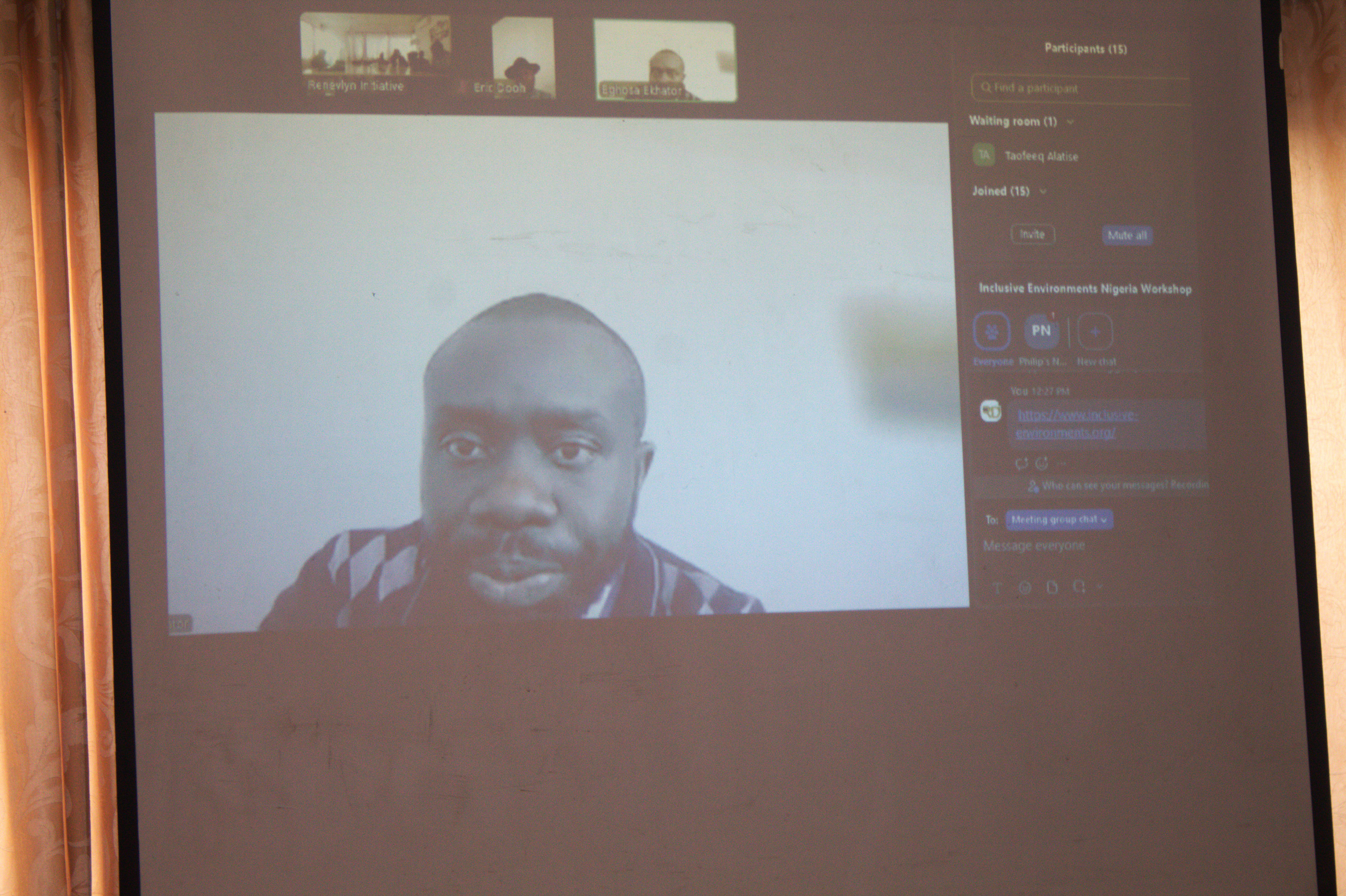
Dr. Ekhator highlighted the need to adapt the environmental justice framework to Nigeria, noting that environmental injustices are prevalent in the country and that people’s interests must take precedence over profit.
Corroborating him, Philip Jakpor, the Executive Director of Renevlyn Development Initiative (RDI), explained that communities hosting ‘so-called development projects’ in Nigeria continue to experience adverse environmental impacts because of limited community involvement in the EIA process.
Jakpor, who noted that the EIA process often lacks transparency and completely disregards community views, emphasized that the new environmental justice framework developed by the University of Derby can be adapted to the Nigerian context. According to him, this framework can help protect lives and livelihoods in the Niger Delta, where oil spills are a daily occurrence, and in the northern parts of the country, where illegal mining continues to damage the environment.
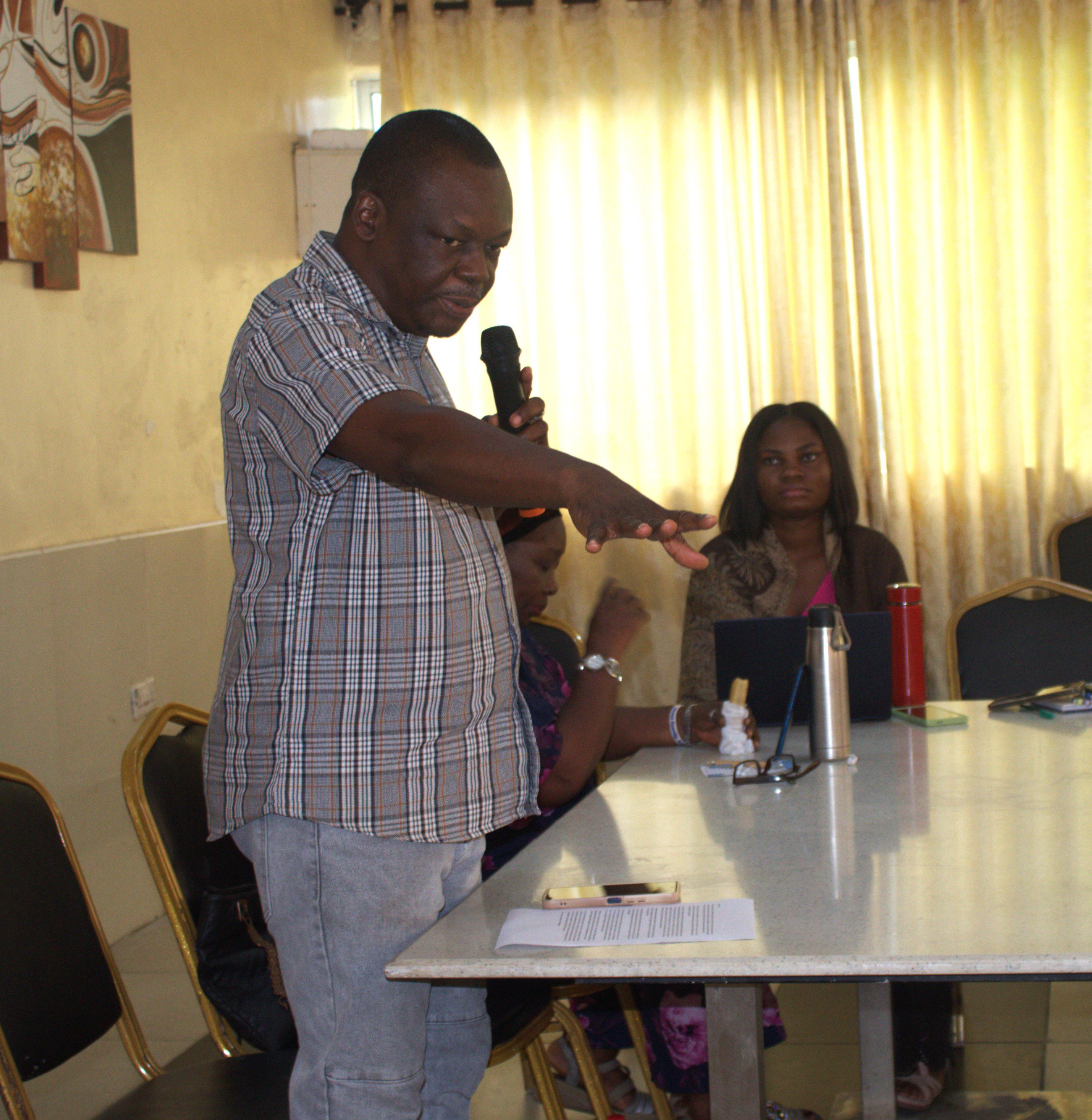
“We hardly hear of companies penalised for breach of EIA processes. Monitoring processes of implementation of projects are not rigorous enough to ensure they comply with what is written in black and white. These gaps are largely responsible for the environmental degradation across the country,” he added.
Speaking about the difficulties in accessing justice in situations where rights have been violated and communities affected by developmental projects, an environmental lawyer, Barr Chima Williams, shared how multinationals used delayed tactics to frustrate cases in court and deter the people from accessing justice.
In a 2008 suit between four farming communities in the Niger Delta and Shell, Barr Williams shared how nearly five years were wasted in deliberating about jurisdiction and assessing affected communities.
He thereafter noted that exploitation by multinationals would be reduced if the environmental justice framework is developed and adapted in Nigeria.
Also sharing their lived realities in the Niger Delta, Chief Eric Dooh, a traditional leader and farmer from Goi in Ogoniland, said the communities never asked for too much, but what would benefit all parties involved.
Chief Dooh, who noted that many projects have been executed in Ogoni without consultations and with complete disregard for the consequences on the people and the environment, insisted that host communities need to be involved at all times.
Dooh said “we are not asking for too much, we just want what will enhance smooth running, bring peace to the environment, good management of oil and gas in the area, rather than explosions.”
Participants at the workshop agreed that the environmental justice framework will help to promote environmental justice and reduce environmental inequalities.