
Heightened tensions often accompany parliamentary public hearings in Nigeria, and it was no different on Thursday, 27 November 2025, brewed by corporate profit and public health over the proposed increase in taxes on Sugar-Sweetened Beverages (SSBs).
The private sector warned of economic consequences – increasing the tax to ₦130 per litre is projected to raise retail prices by approximately 39%, which could reduce annual per-capita consumption by 29%, while the Coordinating Minister of Health and Social Welfare, Professor Muhammad Ali Pate, emphasised that Nigeria is facing a public health crisis driven by sugar consumption.
“The proposed increase of the Sugar-Sweetened Beverage (SSB) tax from ₦10 to ₦130 per litre is a necessary, life-saving intervention,“ he said.
The Public Health Crisis and Responses
Nigeria is currently facing a significant public health crisis driven by high sugar consumption. According to the World Health Organisation (WHO), Non-Communicable Diseases (NCDs) are estimated to cause approximately 617,300 deaths in Nigeria annually, accounting for 29% of all deaths in the country. However, the government has significantly ramped up its efforts to address this rising burden by launching the National Multi-Sectoral Action Plan (NMSAP) for NCDs (2019–2025), National NCD Task-Shifting and Task-Sharing (NTSTS) Policy in 2024, and National Guideline for the Management of Hypertension. Lagos state inaugurated the NCD Technical Working Group in 2025, Kano State witnessed historic budgetary expansion of over 200% and Hypertension Control in 2025, and many states (such as Anambra, Oyo, and Kaduna) are increasingly including basic NCD screenings (blood pressure and glucose checks) in their mandatory state health insurance packages to ensure early detection.
At the federal level, the government has established the Cancer Health Fund which has consistently been appropriated for in National Budgets, as well as Cancer Centres of Excellence across geopolitical regions. Donors and other development partners are also supporting these efforts with various interventions such as The Nigeria Hypertension Control Initiative (NHCI) funded by Resolve to Safe Lives (RTSL) targeted at making medications for hypertension affordable and accessible among others. While private sector players, particularly manufacturers of SSBs have implemented several interventions and CSR-related activities, these are mostly empowerment programmes, water provision, sanitation and hygiene. Most of these are not directly targeted at addressing NCDs.
Despite these successes, a common challenge across most Nigerian states is “top-down” implementation. Many states still lack localised NCD policy documents, often relying on the federal NMSAP (National Multi-Sectoral Action Plan) without having the specific budget lines or trained personnel at the rural level to carry out the plan effectively.
The proposed amendment to the Customs and Excise Tariff Act is not a punitive measure; it is a pro-health, pro-development policy with the dual mandate of reducing harmful consumption and risk of disease, as well as financing clinical management of diseases attributable to it.
From Sugar to NCDs
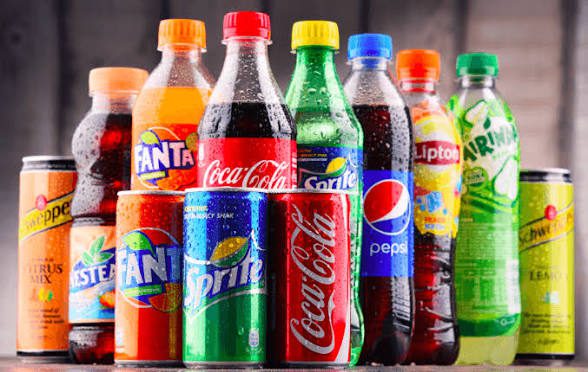
WHO defines Sugar-sweetened beverages (SSBs) as ready-to-drink or reconstituted drinks to which sugar (sucrose, high-fructose corn syrup or other caloric sweeteners) has been added. They include carbonated and soft drinks, energy drinks, concentrates and less than 100% fruit juices.
The United States National Institute of Health records that regular consumption of SSBs increases the risk of chronic diseases such as obesity, type 2 diabetes, hypertension, cardiovascular, non-alcoholic fatty liver, among others.
According to the World Health Organisation (WHO), Non-Communicable Diseases (NCDs) are estimated to cause approximately 617,300 deaths in Nigeria, representing 29% of total deaths in the country. NCDs are no longer the “diseases of the rich“, and beyond premature mortality, they reduce workforce productivity, increase absenteeism, and impose substantial out-of-pocket and societal costs. The health system contends with rising demand for chronic-care services and specialised treatment, diverting resources from other health priorities.
A Drop in the Ocean
Through the Finance Act of 2021, Nigeria joined more than 50 countries globally to introduce the SSB tax. The Act levies a ₦10 tax on each litre of all SSB products. Though with good intentions, the N10 per litre tax is no longer effective in achieving the purpose for which it was created.
According to WHO recommendations, SSB tax should contribute to an increase in the retail price of SSBs by at least 20% to significantly deter harmful consumption and achieve public health objectives. Currently, the N10 tax is barely 1% of the retail price of a typical soft drink. It neither discourages the consumer nor incentivises manufacturers to reformulate their products.
As Professor Pate mentioned, “local studies show that increasing the tax to ₦130 per litre could raise retail prices by about 39% and potentially reduce annual per-capita SSB consumption by 29%.”
Dispelling the Corporate Fear-Mongering
The private sector argues that the tax hike could lead to job losses and negative economic impacts. These concerns are not new; similar arguments have been used worldwide to prevent the operationalisation of health policies aimed at saving lives that would affect profit margins of commercial organisations.
However, evidence from countries like Mexico and South Africa, which successfully implemented similar taxes, shows that these fears are largely unsubstantiated. Effective taxes often compel companies to produce healthier alternatives and reformulate their products, reducing sugar content to avoid the tax and retain market share, a win for public health and a sign of corporate responsibility. While it takes decades to see a total “drop” in NCD death rates (as these are chronic conditions developed over a lifetime), the intermediate markers show significant success in reduction in purchases (by nearly 10% by the second year in Mexico and sugar purchased in Urban South Africa fell by 51% after introducing the tax), and NCD and mortality projections – (nearly 190,000 new cases of Type 2 Diabetes and 18,900 deaths over a ten-year period in Mexico and avert an estimated 8,000 premature deaths related to Type 2 Diabetes over 20 years and save the government billions in subsidised healthcare costs in South Africa)
The Senate must however prioritise health above all. Passing the amendment to raise the SSB tax to ₦130 per litre and guaranteeing the 40% earmark for NCDs, especially hypertension, is not just about fiscal policy; it is about securing the health, productivity, and future of every Nigerian.
Health Reinvestment Model
Minister Pate’s commitment to tackling the NCD crisis is worthy of note in this proposal, particularly his plan to allocate 40% of the revenue generated towards health promotion and disease prevention.
The funds could be used to strengthen primary healthcare centres, enabling them to offer free community screenings for hypertension. This would help identify the condition early, reducing the risk of complications like stroke and heart failure.
The revenue could also be used to launch public awareness campaigns, encouraging healthy eating habits and regular exercise to combat obesity and diabetes. Additionally, it can be used to improve access to affordable medication for low-income Nigerians living with these conditions by strengthening the supply chain for essential NCD medicines.
This dedicated funding mechanism transforms the SSB tax from a simple revenue generator into a sustainable health reinvestment mechanism, where products that contribute to the health burden will now directly finance the solution.
Emmanuel Alhassan is a Professor of Psychology at the Nasarawa State University, Keffi and Country Coordinator, Global Health Advocacy Incubator (GHAI) Hypertension and immunisation projects in Nigeria and LISDEL is Civil Society Organisation leading health systems strengthening advocacy in Nigeria.