

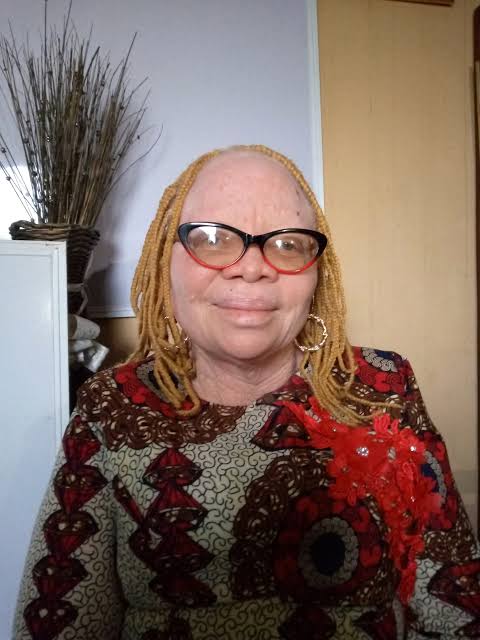
The National President of the Albinism Association of Nigeria (AAN), Bisi Bamishe, has called for a more inclusive and comprehensive approach to addressing women’s issues in Nigeria, particularly those affecting women and girls living with disabilities.
Bamishe made the call to commemorate the International Women’s Day as she stressed the need for stronger policies and social protection systems to support women across the country.
She noted that women continue to shoulder significant social and economic responsibilities as mothers, caregivers and contributors to national development, yet many still face discrimination, violence and social exclusion.
According to her, women with disabilities experience multiple layers of discrimination and vulnerability, making it necessary for policymakers and stakeholders to adopt an inclusive approach when designing programmes aimed at empowering women.
“In addressing women’s issues in Nigeria, there must be a deliberate and comprehensive multi-faceted approach, particularly when it concerns disability clusters,” Bamishe said.
She explained that women with disabilities are often more exposed to neglect, discrimination, poverty and different forms of abuse, calling for greater attention to their needs. “Women with disabilities are often more exposed to neglect, discrimination, poverty, and various forms of abuse. It is therefore important for us to stand united and draw attention to these realities so that government and society can better understand our challenges,” she added.
Bamishe also highlighted the challenges faced by women and girls living with albinism, noting that stigma, harmful stereotypes and limited access to essential services remain major barriers to their well-being.
“As a woman and a person with albinism, I understand firsthand the challenges that come with navigating society under these circumstances.
“Many women and girls with albinism face discrimination, health risks associated with sun exposure, and limited access to healthcare, education, and economic opportunities,” the AAN President stated.
She therefore urged government institutions, civil society organisations, development partners and the media to strengthen advocacy and support programmes aimed at promoting inclusive education, improved healthcare, greater awareness about albinism and economic empowerment for affected women and girls.
She added that building a just and equitable society requires ensuring that the voices and rights of women and girls with albinism are heard, respected and protected.