

By Boluwatife Adedokun
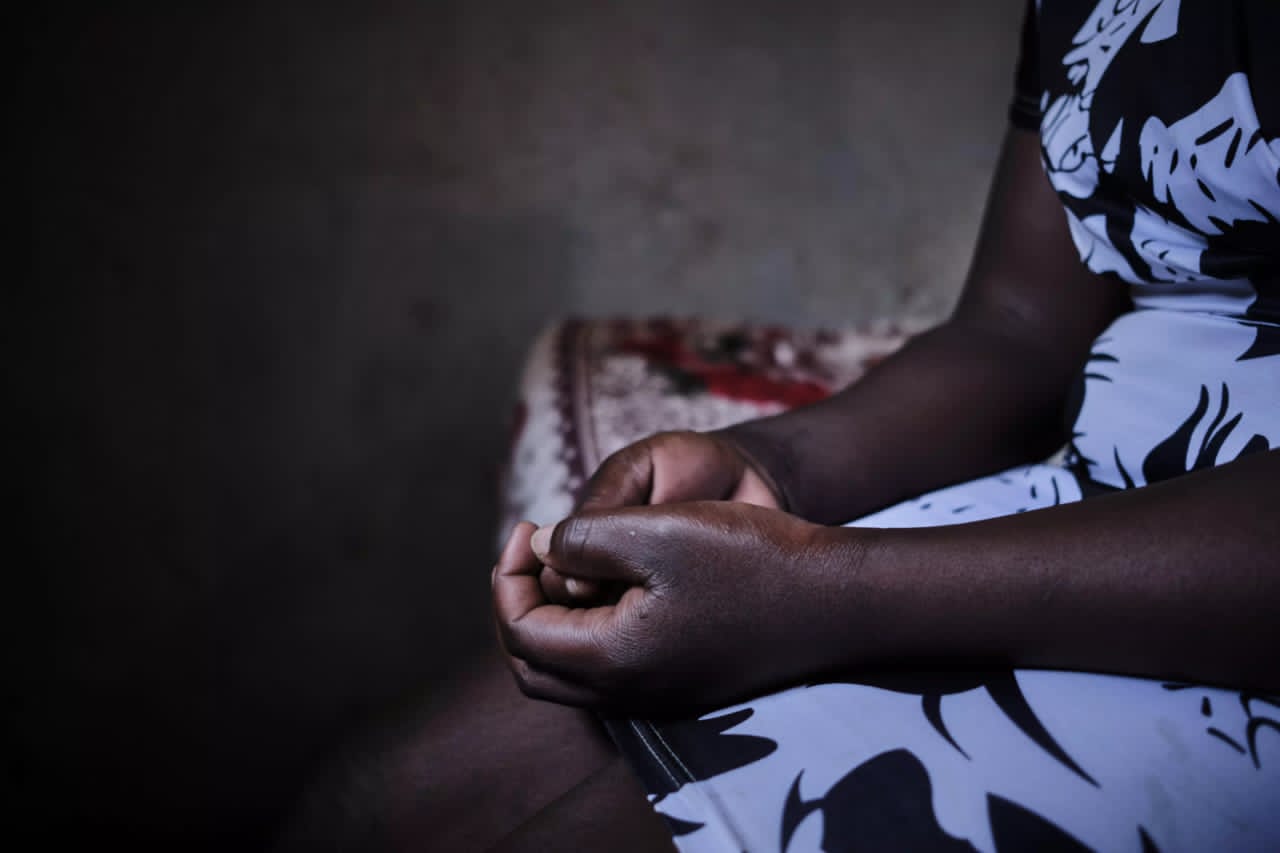
April 12, 2025, started as a regular day for 20-year-old Ogundele Abigail until she was sent on an errand and her simple task turned into a nightmare when a neighbour dragged her into his room and raped her.
By the time the man who raped her walked freely, Abigail had already decided to abandon her pursuit of justice, not because justice was served, but because the very system meant to protect her failed at every turn. Confronted with delays, indifference, doubt, and subtle mockery from those entrusted with upholding the law, she became exhausted, frightened, and ultimately alone in her fight.
“If there was a mobile court or system that delivered justice immediately, the case wouldn’t have been delayed, and he wouldn’t have had the guts to keep threatening me with charm, both physically and in my dream,” the Ede resident said quietly in a sober voice.
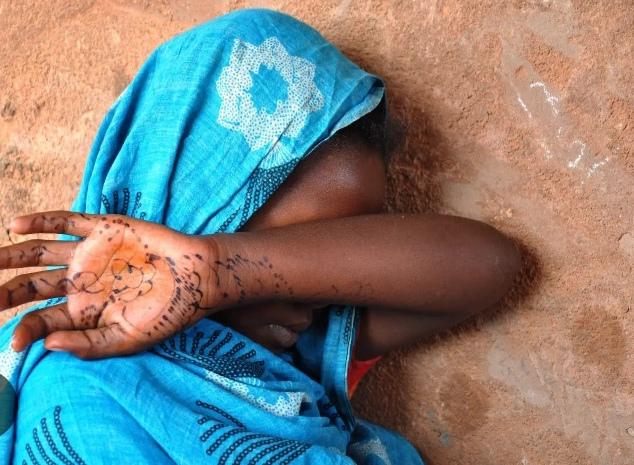
Abigail’s experience reflects a broader pattern in Osun State, where survivors of sexual and gender-based violence (SGBV) continue to face delayed justice amid unfulfilled promises made by Governor Ademola Adeleke to strengthen legal responses and include women in governance.
When Rhetoric Outpaces Action
Long before Abigail’s case, Governor Adeleke publicly promised to strengthen justice systems, protect women, and ensure their inclusion in governance, including a stated commitment to women’s empowerment initiatives and broader participation in public life.
On March 27, 2024, he announced plans to establish mobile courts in Osun State , special tribunals expected to fast-track cases of sexual and gender-based violence, harmful practices and child abuse, and to expedite trial processes for detained women and children, directing his Commissioner for Justice to prepare an executive order to free “unjustly incarcerated” women as part of the effort.
Yet, nearly two years later, no single mobile courts have been operationalised in the state, leaving survivors still trapped in slow, overburdened court processes. Around the same period, Adeleke framed his administration as committed to women’s empowerment, saying his government had prioritised women’s inclusion and was “not joking” about uplifting women through programmes like grants and training.
These commitments to include meaningful representation of women in governance, aligned with the 35 per cent affirmative action target under Nigeria’s National Gender Policy.
However, when Adeleke submitted his list of commissioner nominees to the Osun State House of Assembly, only two women were included out of 25 nominees, drawing strong criticism from civil society groups who said this fell well short of the 35 per cent benchmark he was expected to uphold and suggested a disconnect between his rhetoric and actual appointments.
Out of the 38 Special Advisers officially listed by the Osun State Government, only about eight are women, representing roughly 21 percent of the total. While the governor has also appointed Senior Special Assistants, including actress Laide Bakare as SSA on Entertainment, Arts, Culture and Tourism, there is no publicly available comprehensive list of all SSAs to determine the full gender breakdown in that category.
Survivors Left Waiting
While explaining her ordeal, Abigail said “When it happened, I went to deliver a message around his neighbourhood. The man forced me inside his room and said I should write the names of my parents and boyfriend, and subjected me to inappropriate physical contact before raping me,” she said.
Abigail, noted that the rapist used charm on her and threatened her not to speak.
“He said if I tell my parents, I will die,” she said.
For fear of death, Abigail didn’t tell her parents until two days later, when she realised she was losing weight rapidly.
After informing her parents, they reported the incident to the police. Officers arrested the suspect and found items linked to charms in his house.
Abigail said police asked if she wanted to withdraw the case, but she refused. “I told them I can’t withdraw it. I want justice,” she said.
As part of the investigation, a medical examination was conducted in Osogbo, but she never had access to the report or its details.
Although a court, which Abigail cannot recall, ordered the suspect remanded for three months, he was, however, released within a week, which she alleged was due to bribery.
Continued threats left her exhausted and afraid. “That’s why I’m not interested in the case again. I got tired,” she said.
She later withdrew the case, requesting only a written undertaking for her safety.
Reflecting on the failure of the system, she added, “If there were a mobile court, the case wouldn’t have been delayed. If they took it seriously, he wouldn’t be using charm to chase me after, because he doesn’t fear the law.”
A Pattern Of Delayed and Denied Justice
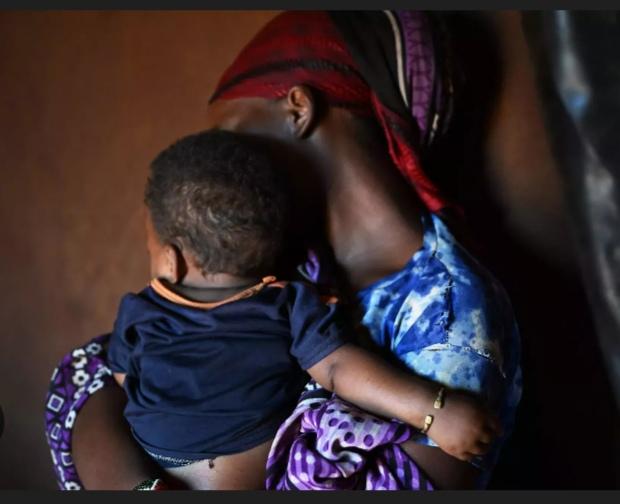
Abigail’s story is not isolated. Semilore Oguntoye*, 32, has lived the consequences of gender-based violence firsthand, enduring abuse that went largely unchecked. Now, the trauma has repeated itself through her 12-year-old daughter, who was recently raped, again with no justice in sight.
Her former husband, she said, took carnal knowledge of the child after secretly taking her away. The suspect was arrested and is currently in remand, but court strikes have stalled proceedings.
“The court is on strike, and we were asked to return on February 24, 2026” she said, stressing that the absence of mobile courts has prolonged their ordeal.
Another survivor from Iwo, who asked not to be named, said she struggled to pursue justice after being raped at 16.
“The long delays and lack of updates made me feel tired and discouraged. At some point, it felt like pursuing justice was causing more harm to my mental and emotional well-being,” she said.
She was unaware of any mobile courts or fast-track mechanisms for GBV survivors, and their absence compounded her isolation.
Similarly, Olatokun Praise* who was 15 when she was raped in January 2021 at her parents’ house, said faster justice mechanisms could have prevented her parents’ dismissal of her case.
“If mobile GBV courts had existed, I would not have been held back. Authorities should focus on proper implementation of existing laws so others don’t face what I faced,” she said.
A National Crisis, Local Consequences
Nigeria recorded 27,698 sexual and gender‑based violence cases between 2020 and 2023, with thousands of open and unresolved matters logged on the now defunct national GBV dashboard.
Between January and September 2025, the Federal Government reported 10,326 gender‑based violence cases nationwide, with more than 2,400 survivors receiving care.
According to the 2024 Nigeria Demographic Health Survey, 15.5% of women in Osun has experienced physical violence and 5.5% has experienced sexual violence.
For many of the survivors, justice remains elusive.
Gender Inclusion On Paper Only
While GBV survivors struggle to access justice, women’s absence from decision-making spaces continues to weaken accountability.
Official records show that out of 25 commissioners appointed in Osun State’s current cabinet, only two are women, falling far below the administration’s stated commitment to gender inclusion. This shows the gap in the gender-inclusion pledge made by the administration.
Nationally, women’s political representation remains low. According to the National Bureau of Statistics, female representation in Nigeria’s national assemblies has rarely exceeded 7.2 per cent, despite women constituting nearly half the electorate.
These representation gaps have led to the low implementation of gender-sensitive initiatives in the state, like the failure to set up the mobile courts.
“Women constitute the majority of SGBV survivors, yet their lack of representation in the State House of Assembly means these issues are not prioritized,” said Citizen Lola Wey, a gender advocate.
Women In Politics: Seen During Campaigns, Missing In Power
Hon. Funmilayo Olasehinde, a long-serving political figure in Osun State, says women remain sidelined in appointive and elective positions, despite years of participation.
Hon Olasehinde, who has contested elections across multiple parties since 1997, including for the Osun State House of Assembly and local government head, said cultural bias still fuels the low representation of women in power.
“Many people believe that because I am a woman, I am not meant to lead men. I am told that leadership belongs to men alone, that I should remain under my husband,” she said.
Reflecting on Governor Adeleke’s administration, Olasehinde noted the persistent sidelining of women despite high-profile pledges of gender inclusion.
“Women are more seen during the campaign exercise than they are seen in government. One major reason is that our society believes leadership is meant for men only, and unfortunately, many women lose these government positions to men, either because they succumb to pressure or they lack certain educational qualifications,” she said.
Mercy Ayodele, a 2018 governorship candidate under the Restoration Party, criticised the stark underrepresentation of women across governance structures. She also berated the Governor for failing to fulfil its promise of appointing women to 35 per cent of key positions.
“Women are being used during campaigns and then dumped when it comes to appointments,” she said.
Changing The Narrative For Inclusion and Justice
To improve the participation of women in governance, Hon Olasehinde stressed the need for structured support from the government to encourage and empower women in politics.
She urged the governor to fulfil his promises and not just leave them as mere campaign manifestoes.
Also, Ayodele urged inclusive governance and greater institutional support, stressing that women have the capacity and ability to lead effectively.
“Women are multipurpose. They have the mental ability and power to serve,” she said.
On access to justice, Wey recommended that the government must strengthen its response to gender abuse.
“Each local government should have a dedicated agency with professional lawyers and judges to handle cases. Gender-based violence must be understood in its full scope, both sexual and non-sexual, to ensure all survivors are accounted for,” she said.
She also attributed delays and failures to weak institutional support and limited political will.
“Many government functionaries do not understand the gravity of the offence or its impact on survivors, their families, and society. Cases are often treated with levity because everything affecting women is secondary,” Wey explained.
Government’s Response
In line with journalistic due diligence, several efforts were made to obtain comments and explanations from government officials, especially the Commissioner for Information.
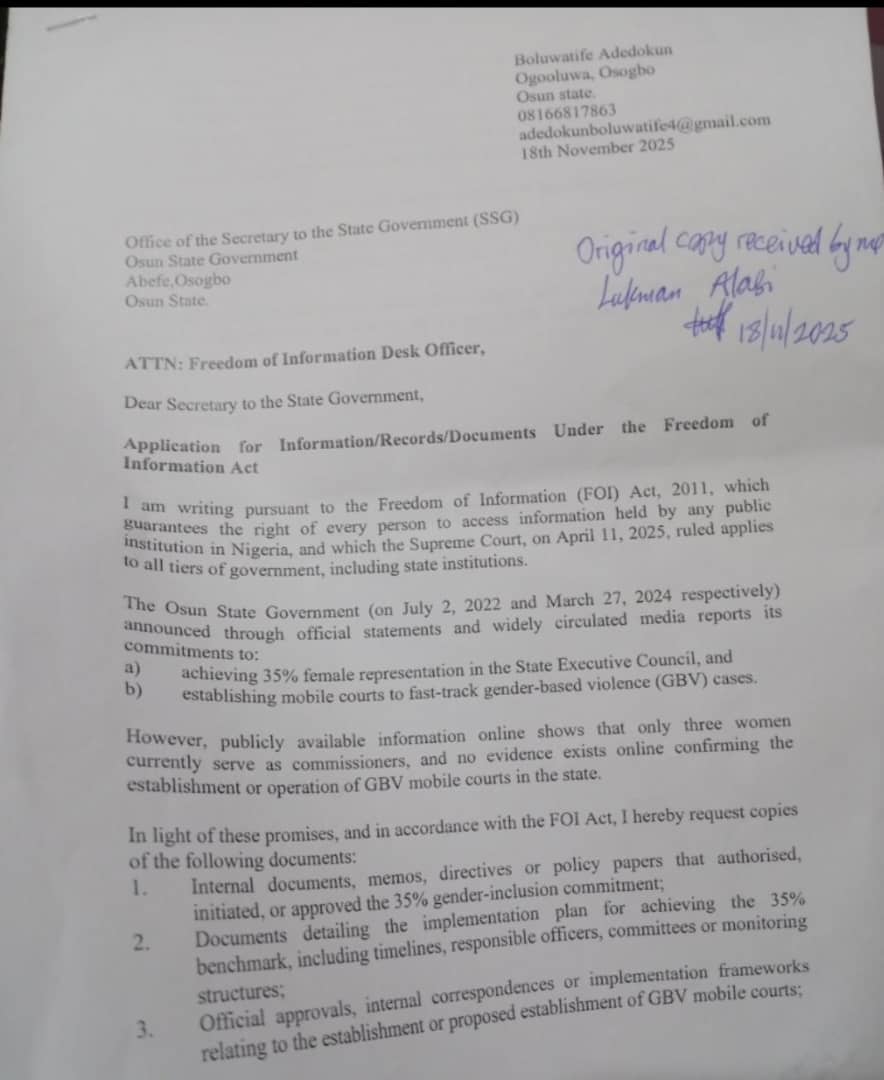
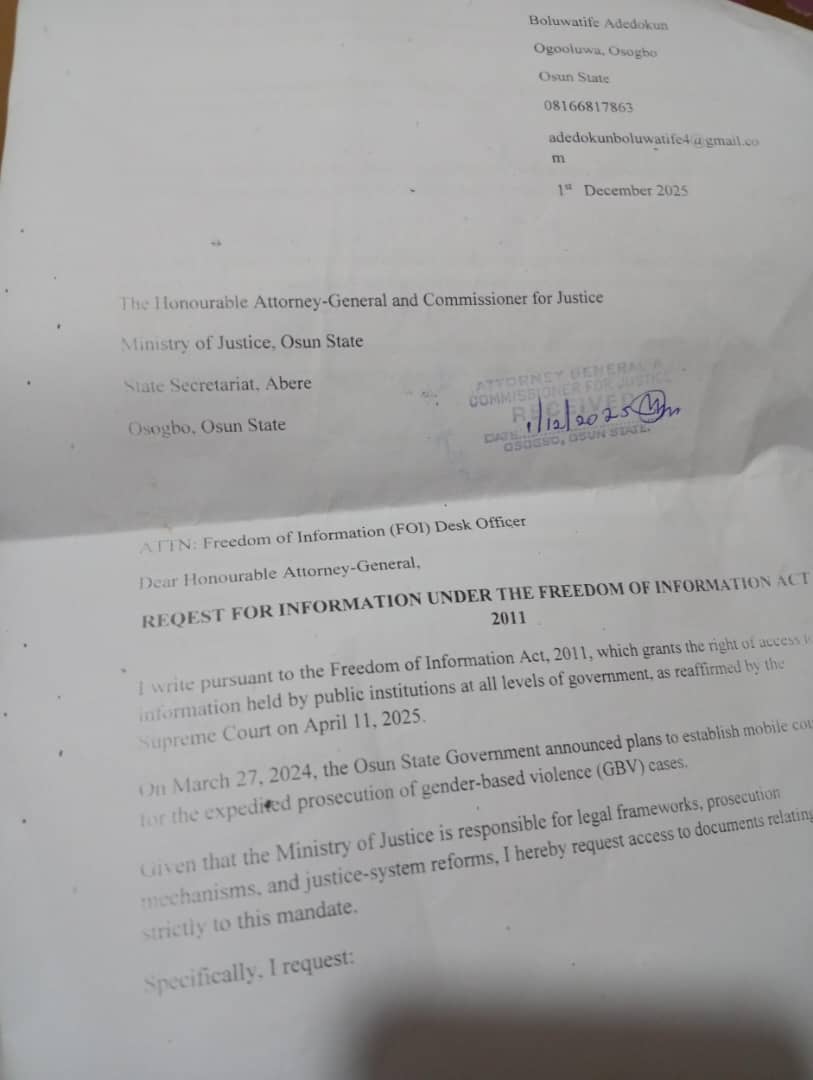
FOI requests were also submitted to the Ministry of Justice and the Secretary to the State Government, and messages were sent to Mallam Olawale Rasheed, the Chief Press Secretary to the Governor and Special Adviser to the Governor on Media, Hon Kolapo Alimi, the Commissioner for Information, and Hon. Ayobola Elizabeth Fadeyi Awolowo, Commissioner for Women, Children and Social Affairs. However, no response has been received as of the time of publication.
Editor’s note: all the names in asterisks are pseudonyms. The real names of survivors have been changed to protect their identities.
This report was produced with support from the Civic Media Lab as part of its Grassroot News reporting Project (GNP) 3.0