
Ten civil society organisations have called on the Nigerian Government to complete the cleanup of Ogoniland and hold multinational oil companies accountable for environmental damage.
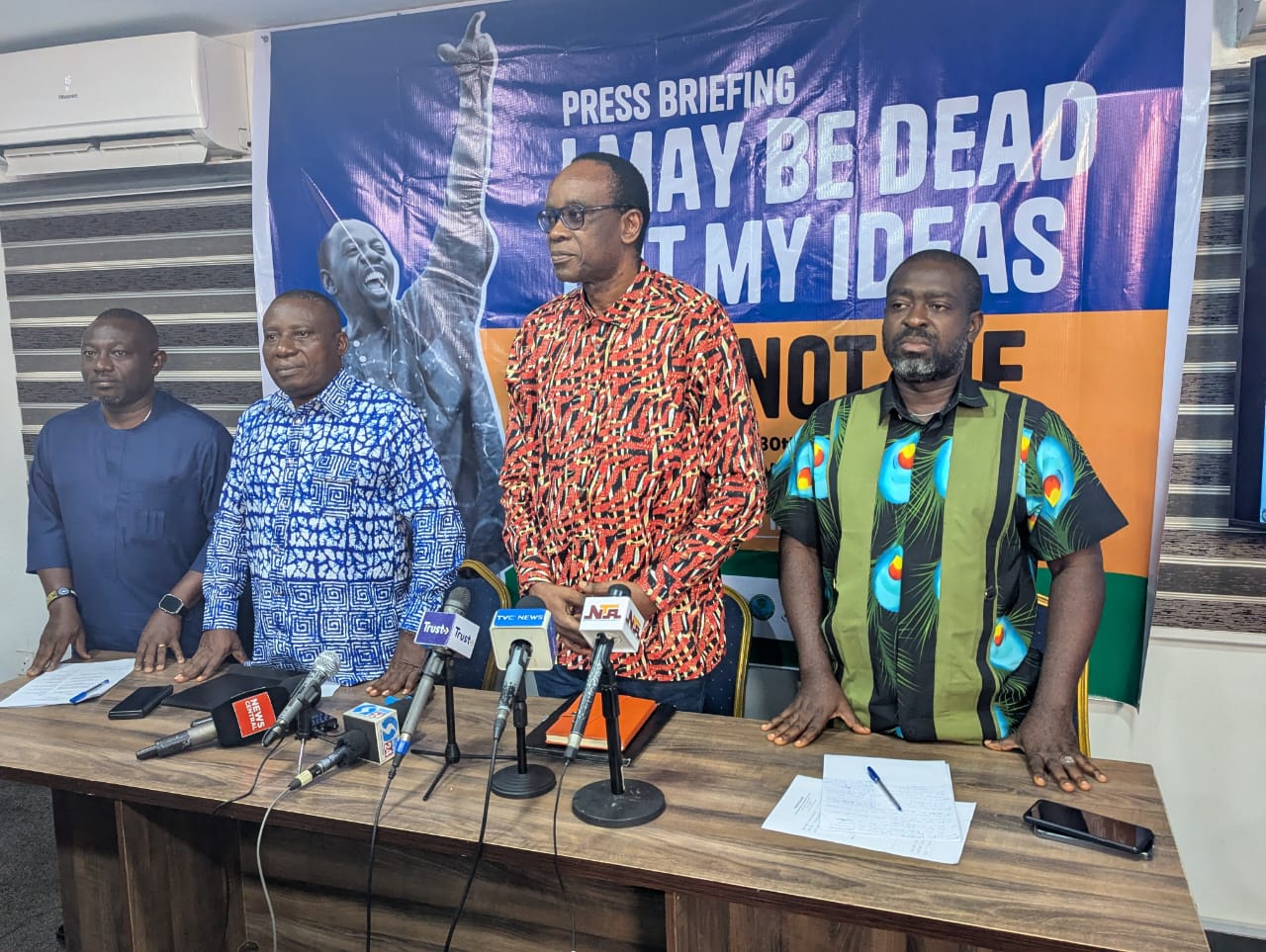
Marking 30 years since the execution of environmental activist Ken Saro-Wiwa, the groups made the demands during a commemoration event held at the Corporate Accountability and Public Participation Africa (CAPPA) headquarters in Lagos, describing Saro-Wiwa’s death as a “judicial murder” carried out to silence environmental activism.
Rev. Dr. Nnimmo Bassey, Director of Health of Mother Earth Foundation (HOMEF) and Chairman of Ken Saro-Wiwa’s 30th Anniversary Planning Committee, delivered a statement on behalf of civil society groups demanding justice and Ogoniland’s cleanup.
The groups highlighted that on November 10, 1995, the Nigerian government executed Ken Saro-Wiwa and eight other Ogoni leaders—Saturday Dobee, Nordu Eawo, Daniel Gbooko, Paul Levera, Felix Nuate, Baribor Bera, Barinem Kiobel, and John Kpuine—for their environmental activism.
“They were murdered not because they disobeyed any known laws, but because they exposed oppression and questioned a mindless establishment,” Bassey said.
The groups lamented that Ogoniland remains severely polluted three decades after Saro-Wiwa’s death, with toxic spills making fishing and farming difficult while gas flaring continues to emit harmful smoke into communities.
Dr. Bassey criticised recent developments including President Bola Tinubu’s presidential pardon of the Ogoni Nine, describing it as “a hollow gesture crafted for political points” that manipulates history rather than addressing the truth of their execution.
The coalition also condemned the continued seizure of Ken Saro-Wiwa’s Memorial Bus despite a Federal High Court ruling against the confiscation, calling it an illegal attempt to suppress the activist’s legacy.
The civil society groups expressed concern over renewed attempts to reopen oil wells in Ogoniland against community wishes and ongoing divestment plans that ignore the principle of free, prior, and informed consent of affected communities.
The organisations presented five key demands to the government, including a thorough and transparent cleanup of Ogoniland and the entire Niger Delta with scientific monitoring and community involvement.
They demanded that multinational oil companies pay adequate reparations for environmental devastation, emphasising that corporations should not be allowed to divest while communities continue to suffer from pollution.
The groups called for justice for affected communities by prioritising their interests over corporate profits and ensuring that remediation reaches people directly rather than through corrupt bureaucracies.
They demanded the decriminalisation of environmental activism, stating that dissenting voices should be protected rather than intimidated, and calling for guaranteed freedom of expression and peaceful assembly.
The coalition insisted on an immediate halt to all attempts to resume oil operations in Ogoniland, demanding that “the oil must remain in the ground” and describing any move to restart drilling as an assault on communities and the environment.
Describing these as Ken Saro-Wiwa’s “unfinished business,” the groups emphasised that his struggle continues 30 years after his death.
They maintained that Saro-Wiwa’s ideology of sustainable development and environmental protection remains relevant, particularly his belief that “the environment is man’s first right” and that without a safe environment, people cannot claim other rights.
The statement was signed by Health of Mother Earth Foundation, Corporate Accountability and Public Participation Africa, Environmental Rights Action/Friends of the Earth Nigeria, Kebetkache Women Development & Resource Centre, Oil Watch International, Social Action, Miideekor Environmental Development Initiative, We The People, Lekeh Development Foundation, and Human and Environmental Development Agenda.