

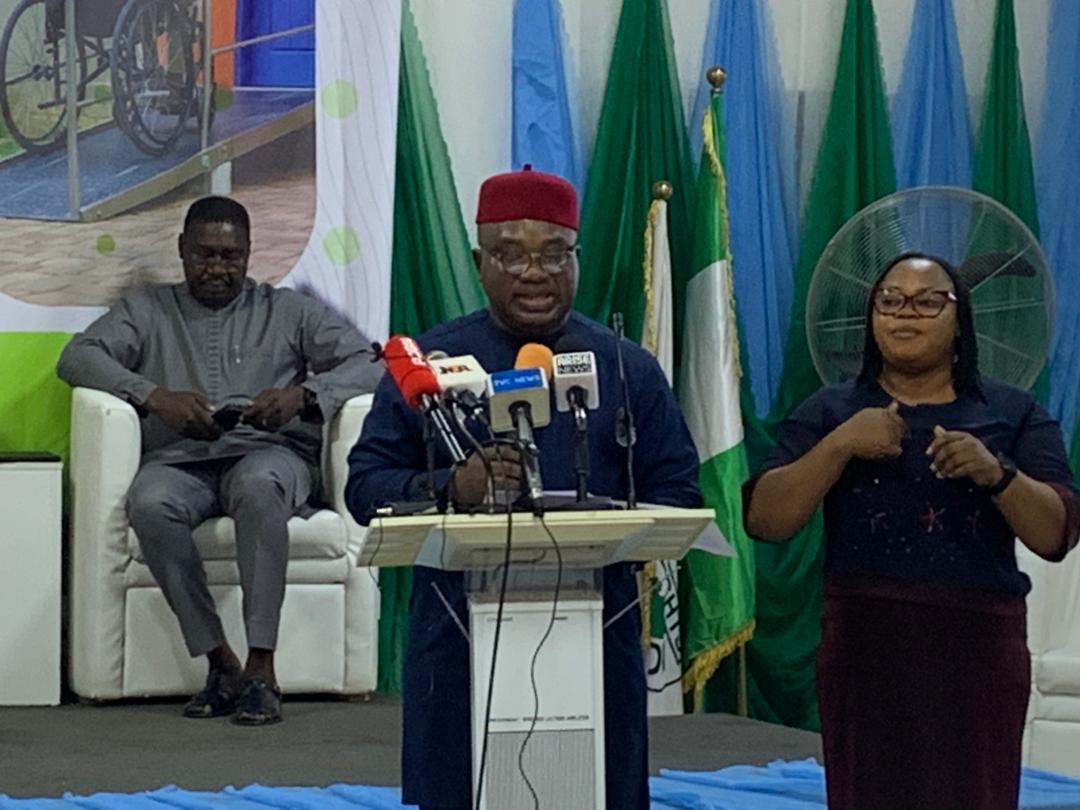
The National Commission for Persons with Disabilities (NCPWD) has reaffirmed its commitment to enforcing the rights of Persons with Disabilities (PWDs) under the Discrimination Against Persons with Disabilities (Prohibition) Act 2018 by guaranteeing inclusive transport and accessible housing solutions in Nigeria.
This was emphasized at a one-day Stakeholders’ Forum on Inclusive Transport and Accessible Housing for Persons with Disabilities in Nigeria, held at the Bukhari Bello Auditorium, National Human Rights Commission (NHRC) headquarters in Abuja. The event was convened by The Ability Life Initiative (TALI) in collaboration with the NHRC and the Nigerian Institute of Transport Technology (NITT).
Speaking at the forum, the Executive Secretary of NCPWD, Barr. Ayuba Burki Gufwan, described the gathering as timely, stressing that it draws attention to the implementation of Section 9 of the Disability Act, which mandates inclusive transport and housing.
“The forum will bring attention and application of the section on the transportation and housing gaps in compliance under the Act by the individuals and organisations in our society,” Gufwan said.
He added that effective modalities have been put in place to secure and protect these liberties.
The Executive Secretary of NCPWD commended TALI for its leadership and assured full commitment of the Commission to ensure the implementation of the law, while urging other organisations to follow suit.
The Executive Secretary of NHRC, Dr. Tony Ojukwu, reaffirmed the Commission’s mandate to protect the rights of all Nigerians.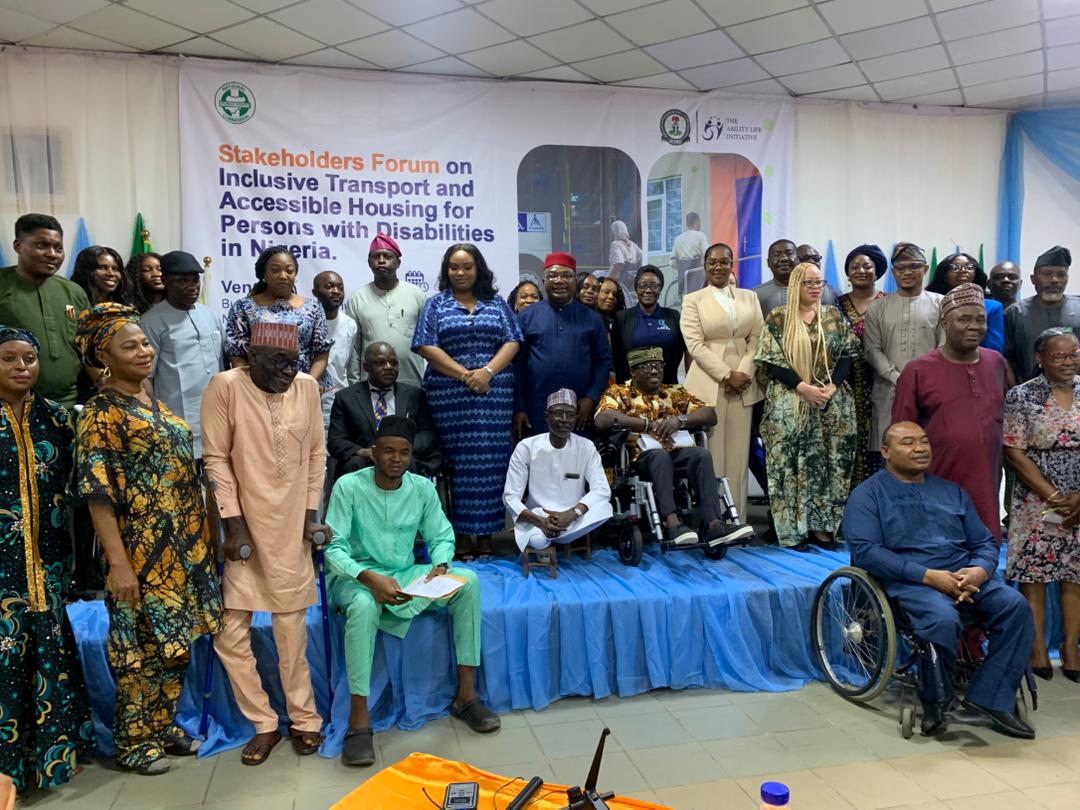
He noted that NHRC exists to create an enabling environment for the promotion and enforcement of human rights, hence the forum aligns with NHRC’s commitment to advancing the rights of persons with disabilities by ensuring inclusive transportation and accessible housing.
The forum set out six key objectives, including identifying challenges faced by persons with disabilities; reviewing policies and regulations on transport accessibility against the Convention on the Rights of Persons with Disabilities (CRPD) and Nigeria’s Disability Act; showcasing good practices and innovative models, such as accessible taxi services; generating evidence-based recommendations on transport accessibility; strengthening collaboration among government agencies, transport operators, disability organisations, and PWDs; enhancing participation of PWDs and their organisations in shaping policies and services.
The initiative was spearheaded by The Ability Life Initiative (TALI), a non-governmental organisation dedicated to advancing the rights, health, and social inclusion of Nigeria’s estimated 35.5 million persons with disabilities through programmes in education, healthcare, housing, and mental health.
The forum ended with a collective call to action for stronger partnerships, accountability, and implementation of inclusive transport and housing solutions across Nigeria.