

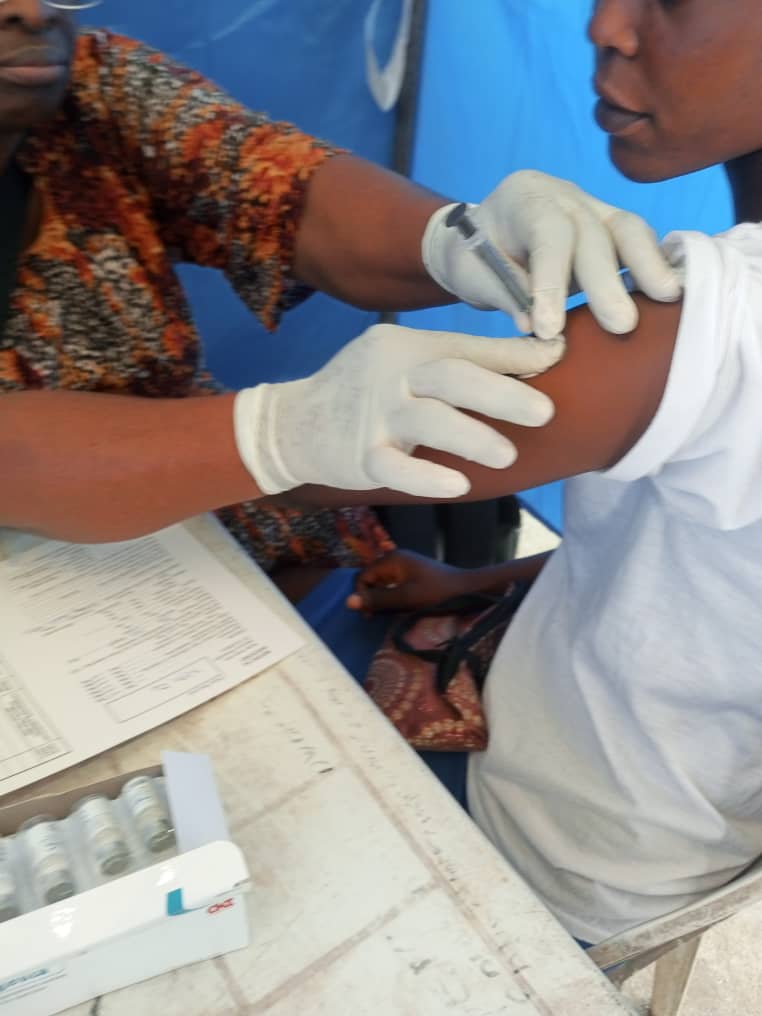
In a vibrant push to advance Sexual and Reproductive Health and Rights (SRHR), The Challenge Initiative (TCI) recently brought its impactful family planning outreach to Abattoir Market in Oko Oba, Lagos, drawing a remarkable turnout of women eager to access contraceptive services and reproductive health education.
Over the course of the four-day campaign, TCI empowered the community with informed choices, offering a range of on-the-spot services, including injectables, implants, and condoms, alongside comprehensive education on their benefits and side effects, fostering a healthier and more informed Lagos community.
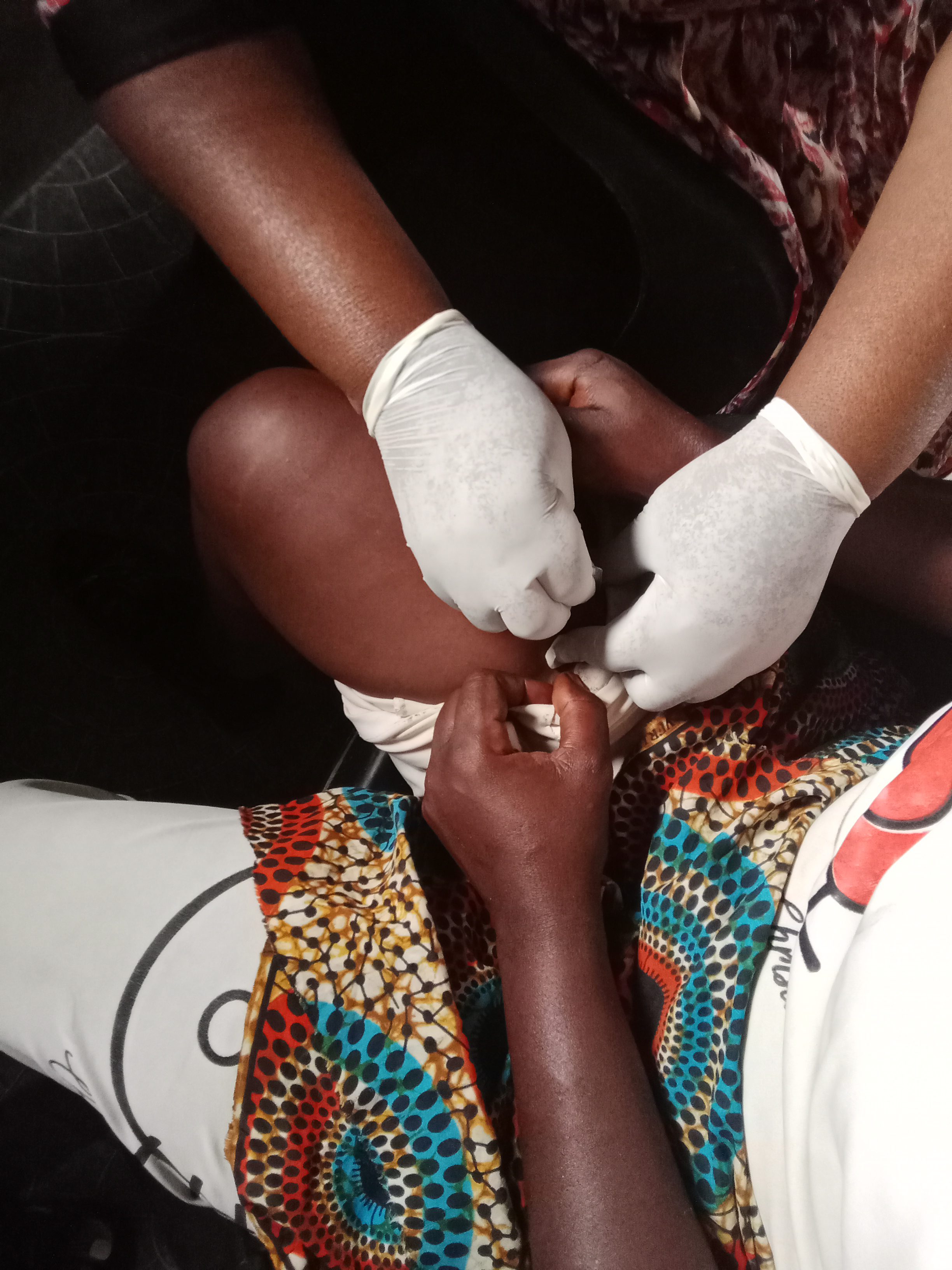
The initiative was aimed at boosting public awareness about family planning options, encouraging informed choices among families in the community a d providing services to the people.
Service providers at the event provided a wide range of on-the-spot services, including injectables (Depo), implants, intrauterine devices (IUDs), male and female condoms, oral contraceptive pills, and Sayana Press. Participants also received education on the different contraceptive methods, their benefits, and possible side effects to help them make informed decisions.
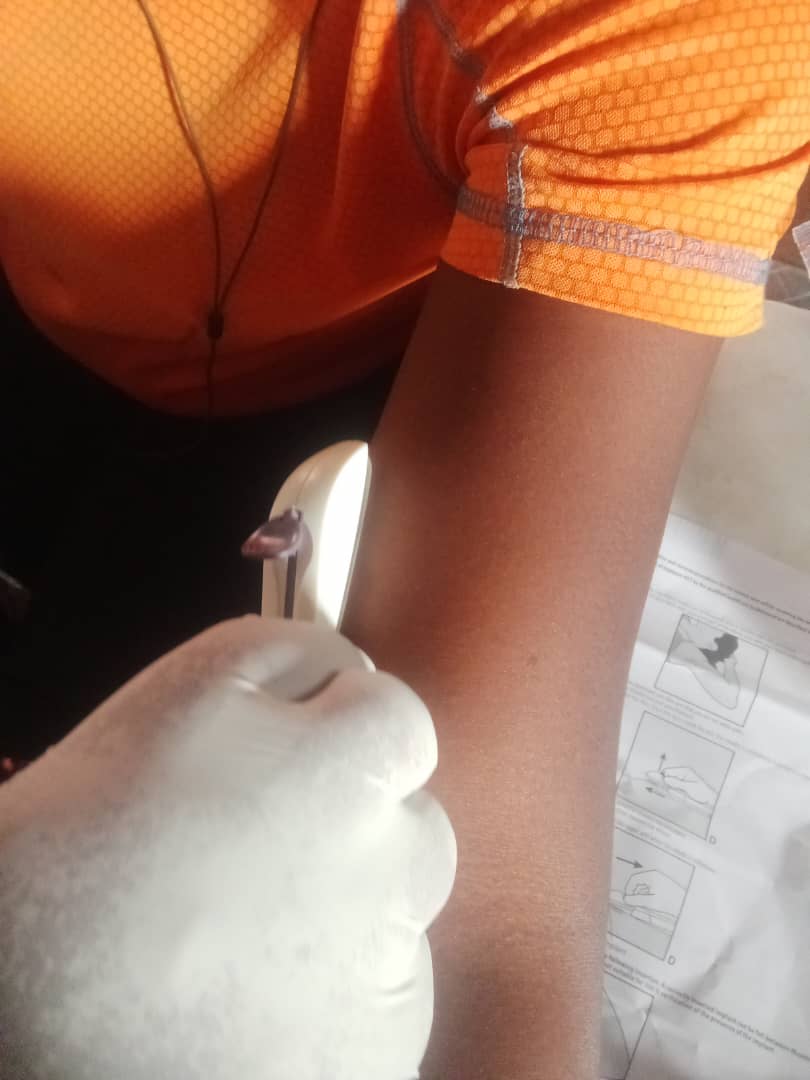
One of the service providers, Mrs. Aina, stressed the importance of sensitization and consistent community engagement in driving participation. “Sensitization has really helped. Many more people than in previous years are now informed. Even though we still have a long way to go in reaching more people, there is notable acceptability from the community,” she explained.
Another mobilizer, Inegbedion Adetokunbo, highlighted the need for youth-friendly conversations about family planning. According to her, “Although young people are still hesitant to access the services due to fear of judgement, we need to advocate for it to avoid our youths losing their lives.” She noted that all services provided at the outreach were available and accessible to the public.
Beneficiaries also shared their experiences. Ajoke Oyede, one of the women who accessed services during the outreach, spoke about the importance of family planning in today’s economic climate.
“Some people are just scared because of the stories they have heard, but in all honesty, the process doesn’t even hurt. Family planning actually allows us to focus on the right things rather than swallowing pills to take a baby out,” she said, adding that she has not experienced any side effects from using contraceptives.
To encourage participation and reduce stigma, the organizers introduced “Go Cards” for individuals who preferred to access services later at health facilities without revealing their attendance at the outreach. According to the team, this innovation has bridged gaps in service delivery and encouraged more people to seek care discreetly.
The outreach also addressed barriers to family planning, such as religious and societal beliefs that often discourage participation. Health workers emphasized that the initiative was not designed to force decisions on families, but to inform and empower them to make healthier choices.