
In a significant step toward addressing gender-based violence against persons with disabilities (PWDs), the National Commission for Persons with Disabilities (NCPWD) has reaffirmed its commitment to work closely with the Rule of Law and Anti-Corruption (ROLAC) to promote inclusive policies.
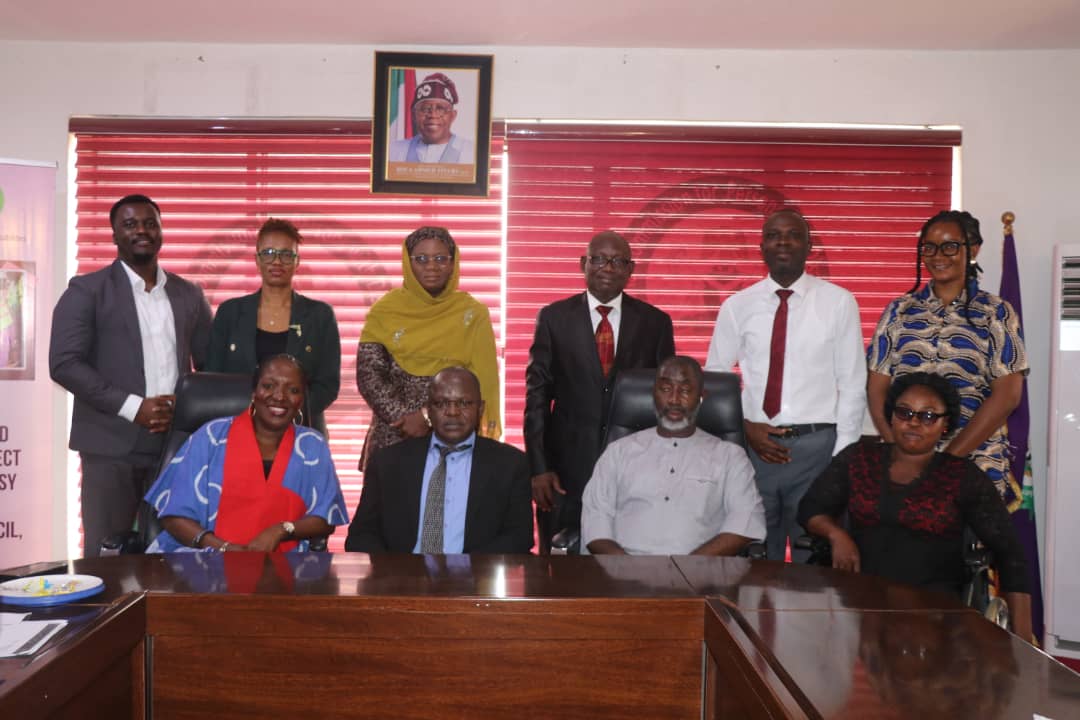
During a strategic meeting held on July 14, 2025, at the NCPD headquarters, Executive Secretary Ayuba Burki Gufwan expressed the commission’s commitment to ensuring that the needs of over 35 million Nigerians with disabilities, particularly women and girls, are prioritized in efforts to combat violence and promote inclusive policies.
The partnership aims to strengthen legal and policy frameworks, such as the Violence Against Persons with Disabilities Act, while improving access to essential services like healthcare, justice, and protection for survivors of gender-based violence.
Mr. Gufwan emphasized that the Commission remains determined to ensure that no one among Nigeria’s over 35 million persons with disabilities is left behind in the fight against gender-based violence. He welcomed the opportunity to work with ROLAC to develop programmes and policy frameworks that prioritize the lived experiences and unique needs of PWDs.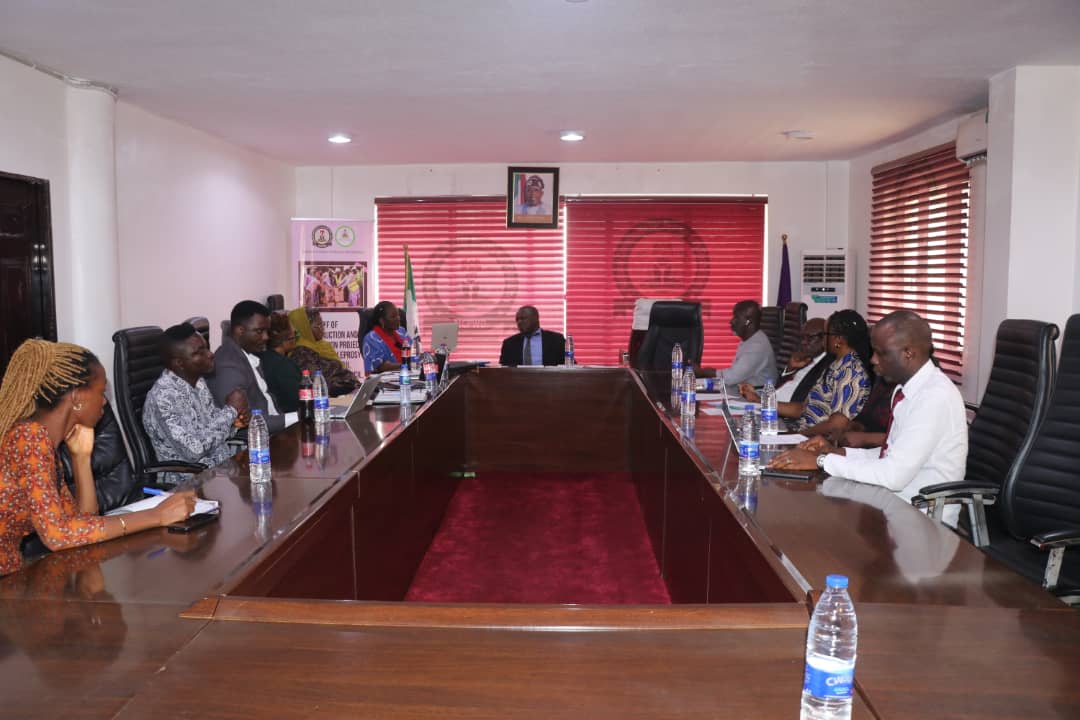
“We are committed to ensuring that women and girls with disabilities are protected, heard, and empowered. Collaboration with ROLAC is vital in designing and implementing solutions that are inclusive and effective,” he said.
The ROLAC programme, funded by the European Union and implemented by the British Council, seeks to strengthen the rule of law and combat gender-based violence through systemic legal and institutional reforms which includes: Strengthening legal and policy frameworks such as the Violence Against Persons with Disabilities (Prohibition) Act and the Child Rights Act; Enhancing access to essential services for survivors of SGBV—including healthcare, justice, and protection—especially in rural and underserved areas; and building the capacity of professional services organizations to drive social norm change and foster behavioral transformation in communities.
During the meeting, the commission and ROLAC identified several areas of mutual interest and collaboration, including: Improving access to justice for survivors of SGBV with disabilities; developing a detailed project document that reflects the realities and priorities of PWDs; strengthening coordination between NCPWD, the Nigeria Security and Civil Defence Corps (NSCDC), and the Nigeria Police Force to ensure responsive and inclusive security interventions; and ensuring consistent engagement with relevant government agencies to mainstream disability rights in national and sub-national policymaking.
The NCPWD also highlighted its ongoing strategic initiatives aimed at promoting the rights and welfare of persons with disabilities, especially women and girls.
Expressing appreciation for the Commission’s inclusion in ROLAC’s priority programming, Mr. Gufwan reiterated the agency’s commitment to fully implementing national policies and legal frameworks designed to protect PWDs.
“This partnership is a significant step toward creating a safer, more inclusive Nigeria where the dignity, rights, and aspirations of all persons with disabilities—especially survivors of violence—are upheld and safeguarded,” he said.
NCPWD and ROLAC pledged renewed commitment to deepen collaboration, pool expertise, and mobilize resources to build a coordinated, nationwide response to gender-based violence against persons with disabilities.
By working together, the National Commission for Persons with Disabilities and ROLAC aim to ensure that the voices of women and girls with disabilities are not only heard but translated into action that safeguards their rights and enhances their well-being.